
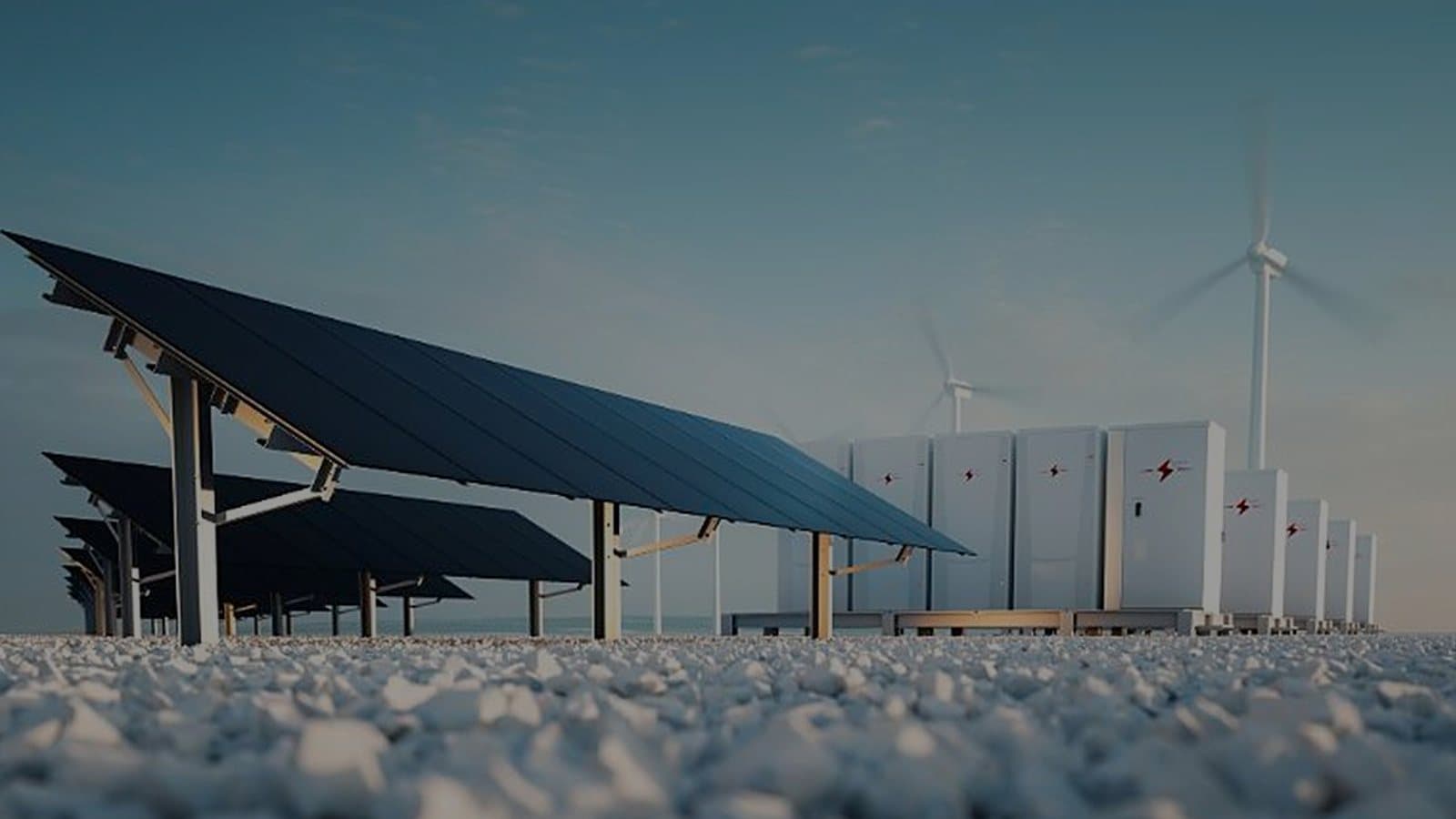
Smart Integration with Renewable Power Sources: Decarbonization Driving HVAC Innovation
As renewable energy becomes a dominant power source, HVAC systems are evolving beyond efficiency – toward intelligent integration with clean electricity.
Modern HVAC technologies can now align operation with renewable availability through:
- Load shifting during peak solar or wind generation.
- Smart controls connected to microgrids and energy management systems.
- Electrified heating and cooling via heat pumps.
- Thermal storage strategies to reduce grid demand.
Key benefits include:
- Lower carbon emissions through cleaner energy use.
- Reduced peak electricity loads and improved grid stability.
- More resilient, future-ready building and industrial infrastructure.
- Strong support for net-zero and decarbonization targets.
HVAC is no longer just a consumer of energy – it is becoming an active participant in the renewable energy ecosystem.
Industries
