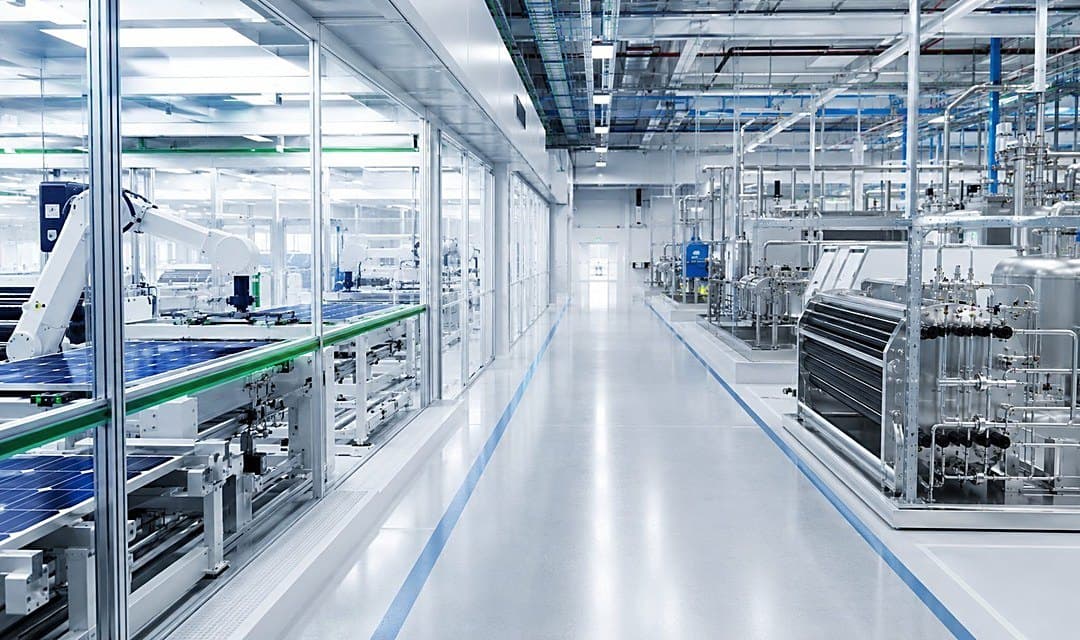
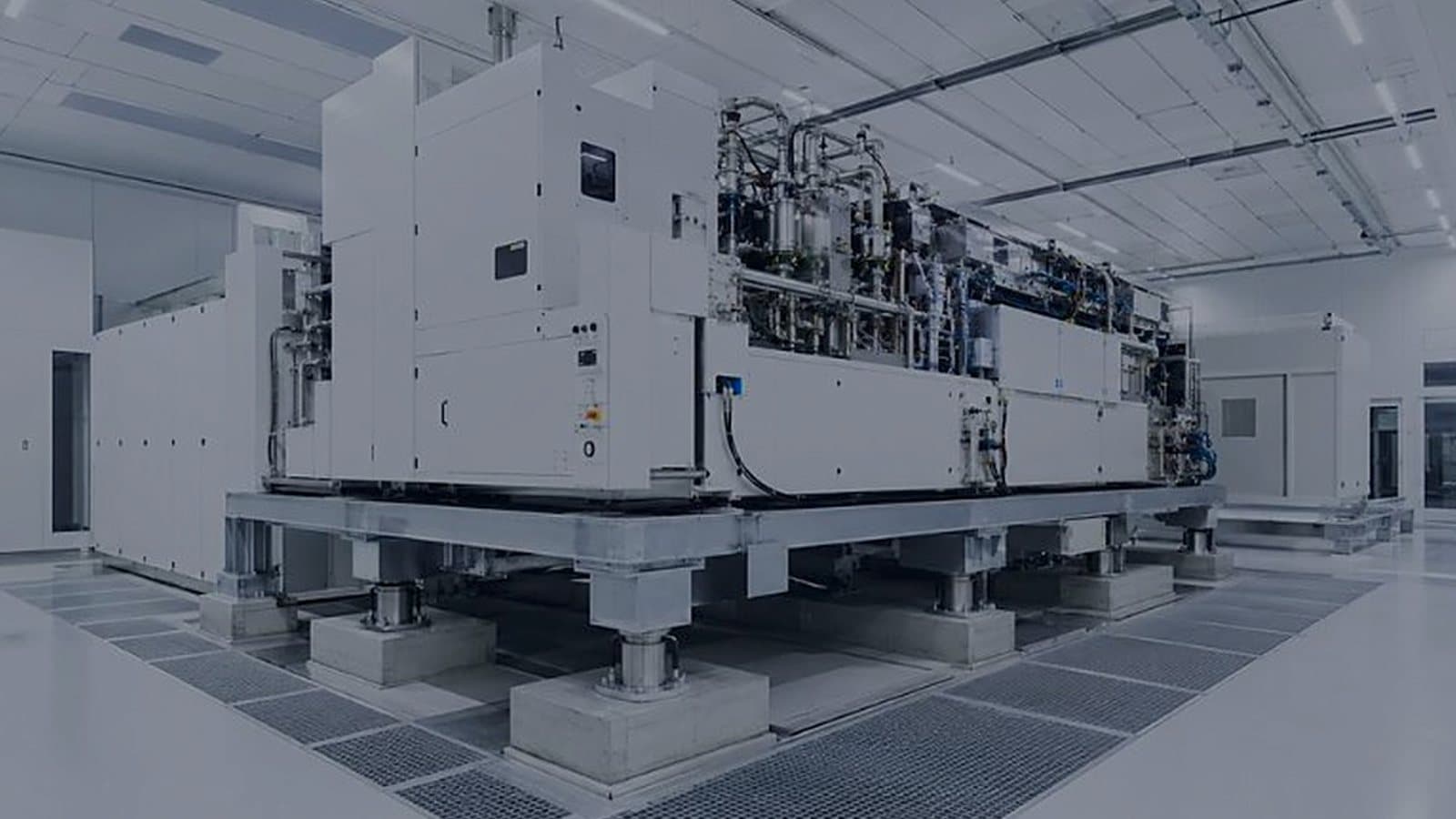
A sterile manufacturing facility has to do three things at once: keep contamination away from open product, keep incompatible materials and people apart, and produce a record that shows it did both. The engineering that delivers this is unforgiving. A pressure cascade that collapses when a door opens, an airlock sequence that lets two flows meet, or a monitoring system whose audit trail can be edited will each stop a facility from being licensed, however well the rest of it performs.
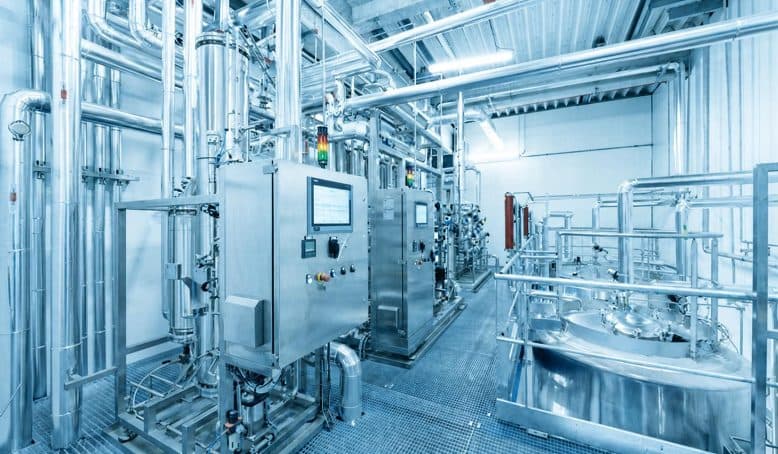
The revised EU GMP Annex 1 made the Contamination Control Strategy the organizing document for all of it. Barrier technology, airflow patterns, personnel and material flows, cleaning and disinfection, utilities, monitoring and the qualification program have to hang together as one argument for why the process is protected. We engineer to that argument, and the design basis is written so it can be read alongside the strategy.
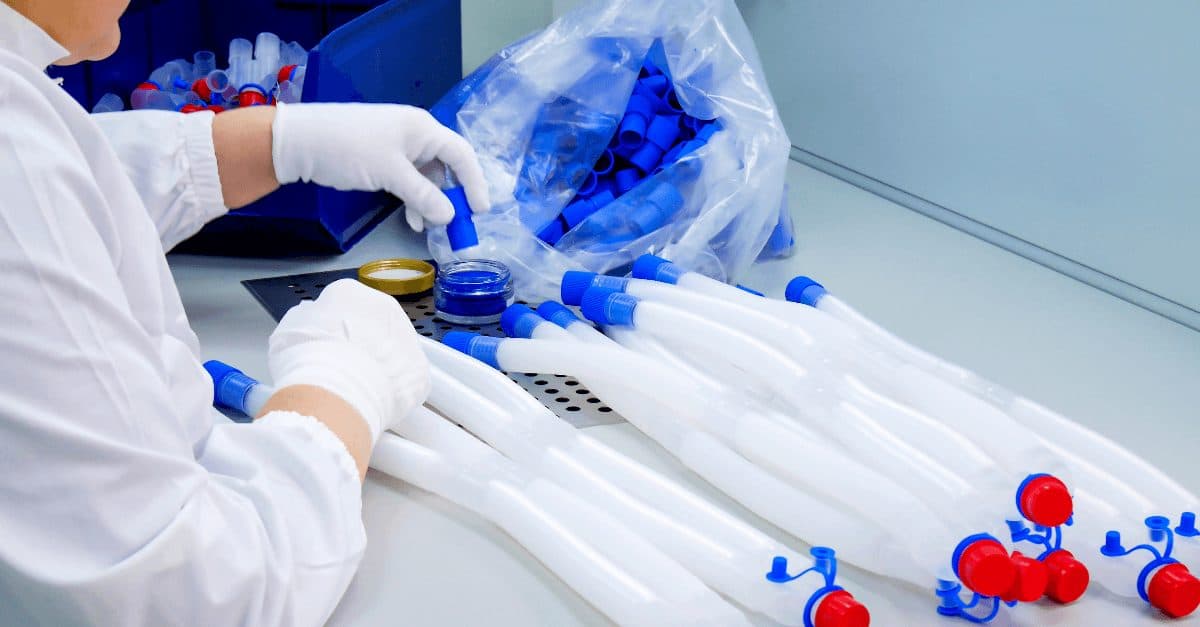
Our scope covers oral solid dose, liquids and semi-solids, sterile fill-finish, biotechnology and cell culture, high-potency and containment suites, medical device assembly, laboratories and hospital clinical environments. Each has a different governing risk — cross-contamination in OSD, aseptic integrity in fill-finish, containment and operator exposure in high-potency, particulate and ESD control in device assembly — and the design starts from that risk rather than from a template.
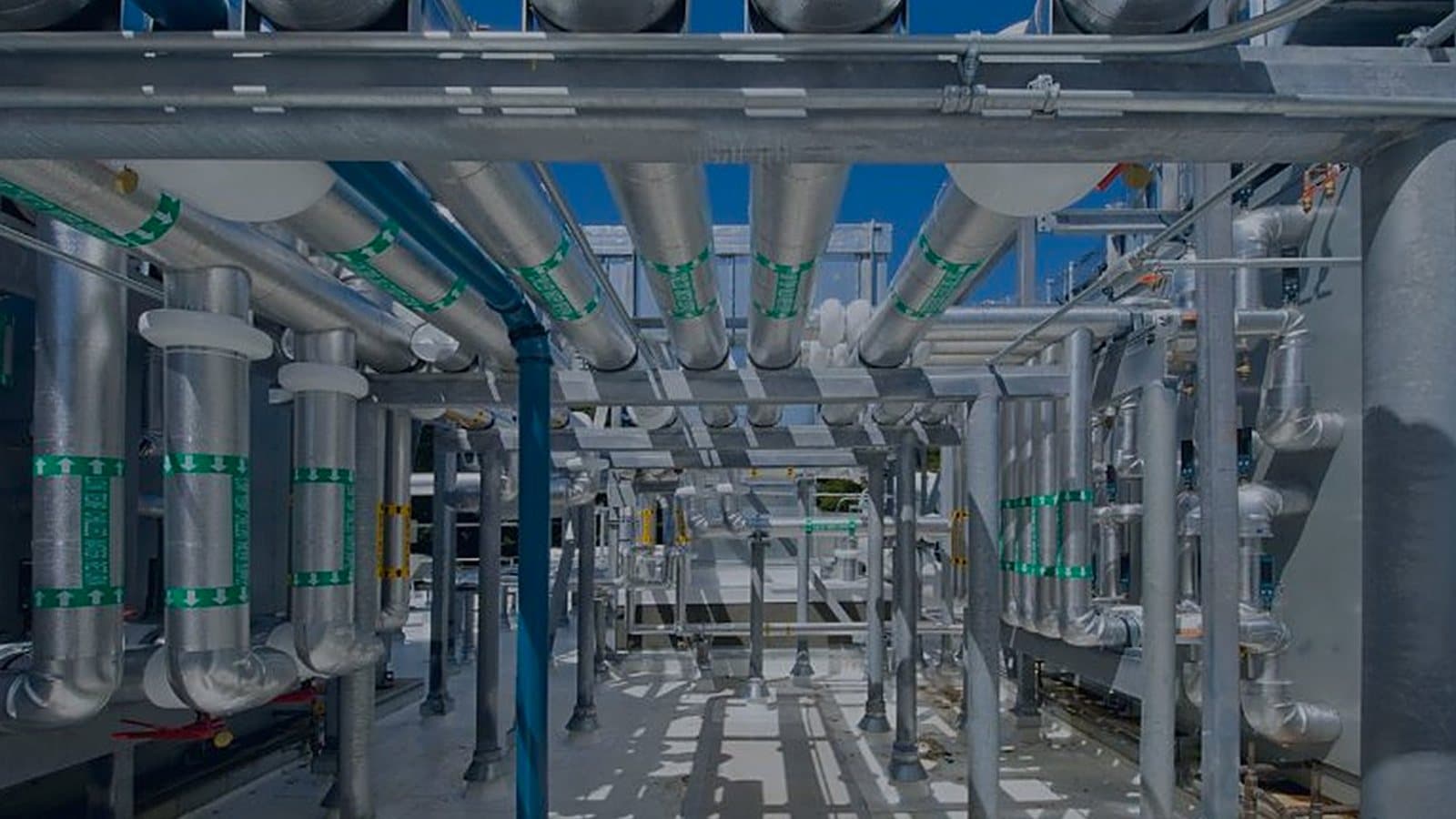
We also work in the ASEAN climate, and that changes how the plant is designed. Ambient conditions that sit near saturation for months make dehumidification a primary design problem rather than a trim function. Sizing for the peak dew-point design condition, staging dehumidification correctly and controlling the reheat penalty are what keep a Grade B suite inside its humidity band in August without the energy bill of a plant that was designed for a temperate climate.