Skip to content

Services and Solutions

Manufacturing & Distribution

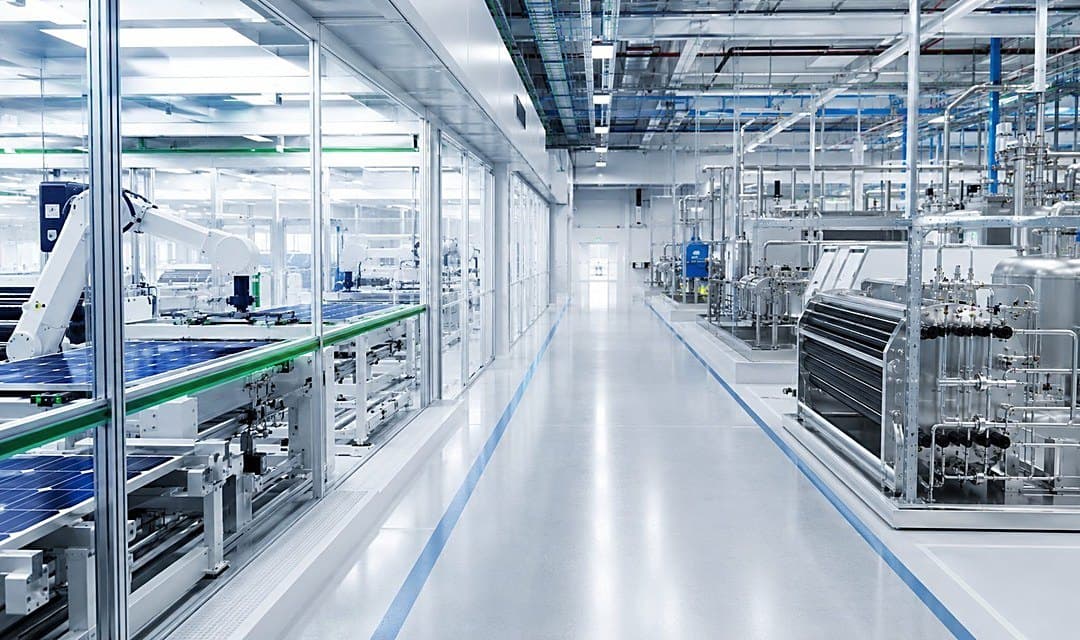
Hygienic air handling units, fan filter units, HEPA housings, dehumidification, control panels and modular cleanroom systems, engineered from the project's own airflow schedule, load calculation and control narrative — not selected from a catalog and adapted to fit.

Services and Solutions

Introduction

Our engineers own the specification, the general arrangement drawings, the material requirements, the inspection regime and the acceptance criteria; qualified manufacturing partners provide fabrication capacity under EU-GMP-aligned quality control. Every unit is Factory Acceptance Tested and witnessed against the approved specification before it leaves, because a workshop is a cheaper place to find a problem than a live site.

Overview

Equipment built to the specification the facility was designed around

Catalog equipment is selected to fit a project. Our equipment is engineered from the project's own airflow schedule, load calculation and control narrative — which is why it is ready for qualification without adaptation.

The gap between a design and a working cleanroom is usually equipment. An air handling unit with the wrong casing classification leaks, and the pressure cascade never settles. A filter housing without a scannable seal cannot pass an installed leak test. A control panel wired to a generic template will not deliver the interlocks the control philosophy assumes. Each of these is found during qualification, when it is most expensive to fix.

We specify and engineer equipment against the same design basis that governs the building, then have it built by qualified manufacturing partners under our engineering control. Our engineers own the selection, the general arrangement drawings, the material specification, the inspection regime and the acceptance criteria. The partner owns fabrication capacity; the technical responsibility stays with us.

Production runs under EU-GMP-aligned quality control with documented traceability. Material certificates, weld records, coating and passivation records, component datasheets and test certificates are compiled into a pack that feeds directly into Installation Qualification, so the evidence is already assembled when qualification begins.

Factory Acceptance Testing is where equipment problems belong. Units are tested and witnessed at the manufacturing partner's facility against the approved specification, with the client invited to attend. Anything found there is corrected in a workshop with the drawings and the fabricator on hand, rather than on a live site against a commissioning date.

Equipment supply

The AeroSano equipment range

AeroSano is the equipment range Humiley supplies for hygienic air handling and cleanrooms: air handling units, fan filter units, HEPA boxes and housings, pass boxes, control panels, and cleanroom panels, doors and modular walls and ceilings. Units are built by qualified manufacturing partners under Humiley's engineering control, from the project's own airflow schedule and load calculation. Every unit is FAT-tested and witnessed against the approved specification, and its equipment file is compiled during production.

Capabilities

Scope of work

Pharmaceutical-grade HVAC and cleanroom equipment produced through qualified, EU-GMP-aligned manufacturing partners.

Pharmaceutical-Grade HVAC Production

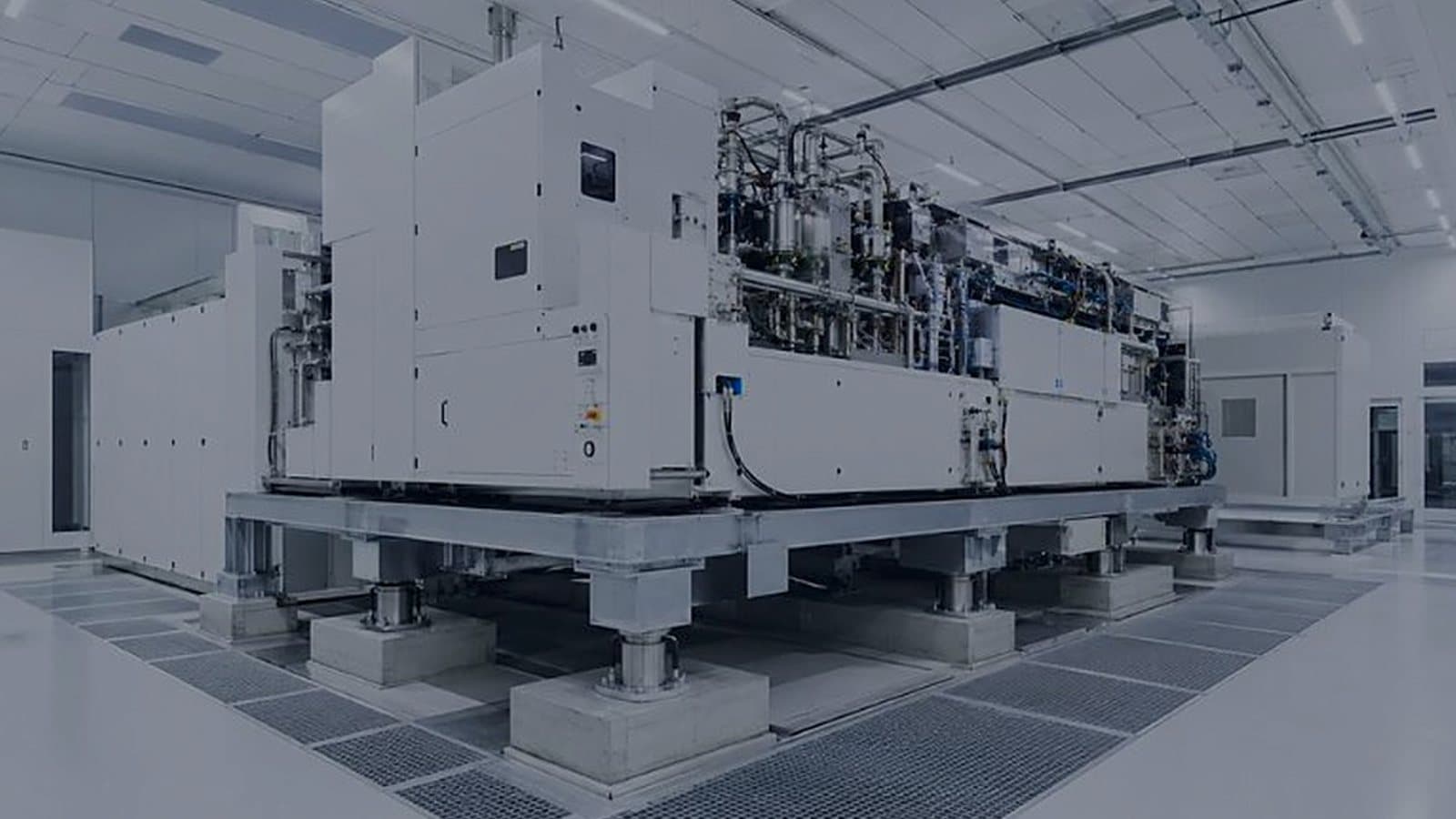
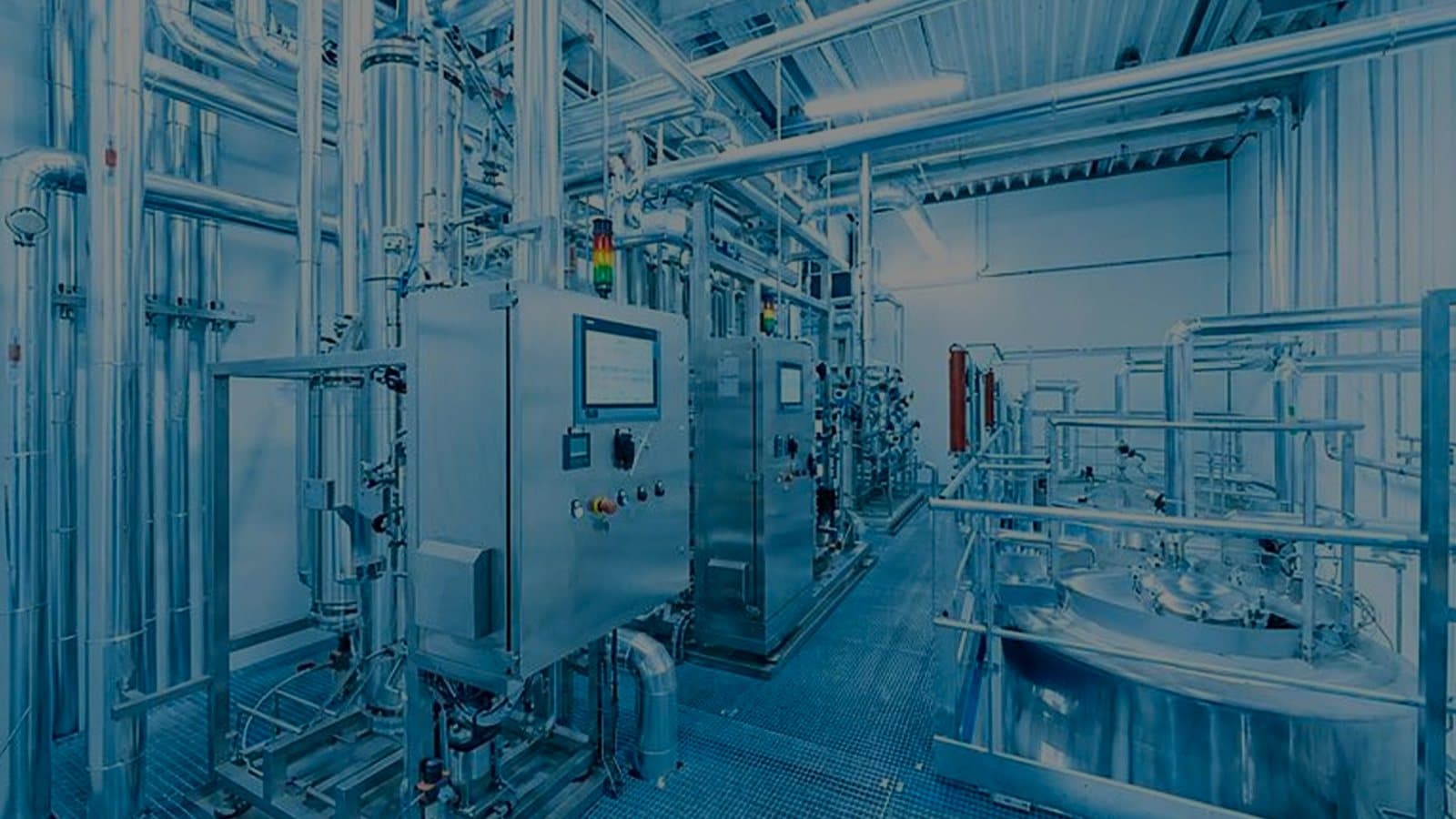
Through qualified manufacturing partners, we produce mission-critical equipment, including hygienic air handling units (AHUs), fan filter units (FFUs), HEPA housings, custom control panels, and high-precision dehumidification systems capable of maintaining ±2% RH for moisture-sensitive products.

Cleanroom Equipment & Modular Construction

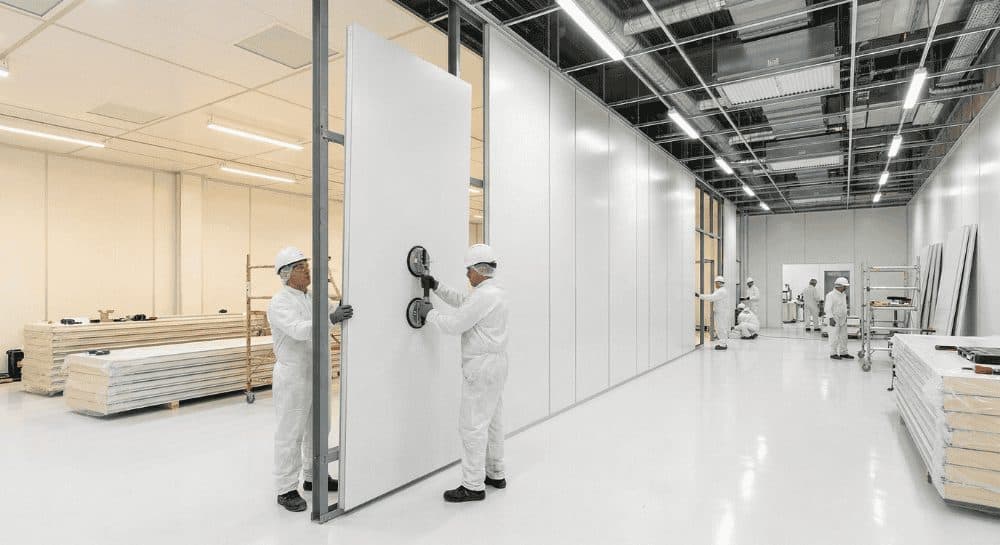
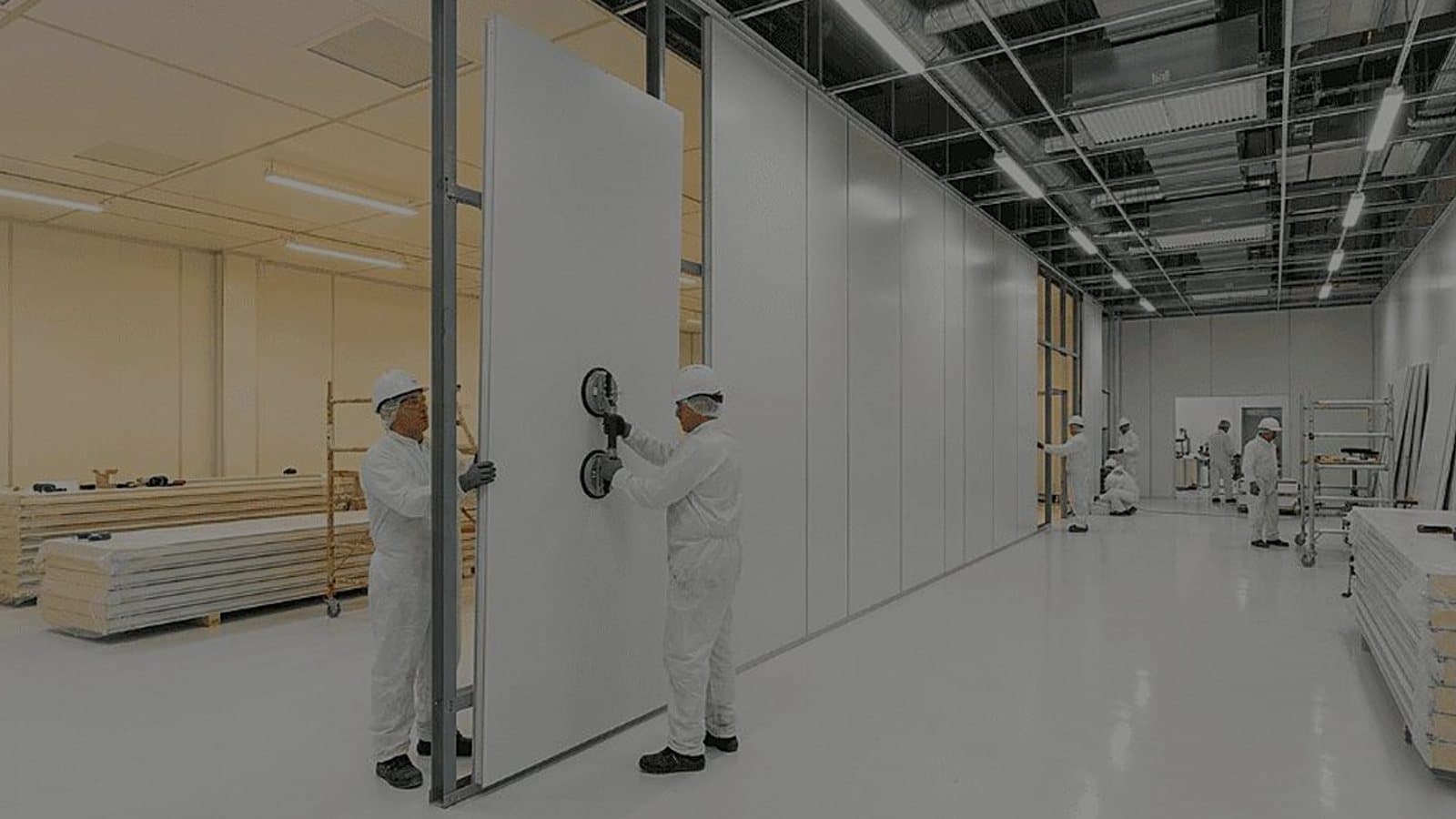
Beyond air handling, we supply cleanroom panels, doors, and modular wall and ceiling systems engineered for airtight, easy-to-clean GMP environments. Partner fabrication, managed by our engineers, means every component is built to your project's exact specification and classification.

Custom Control Panels & Automation

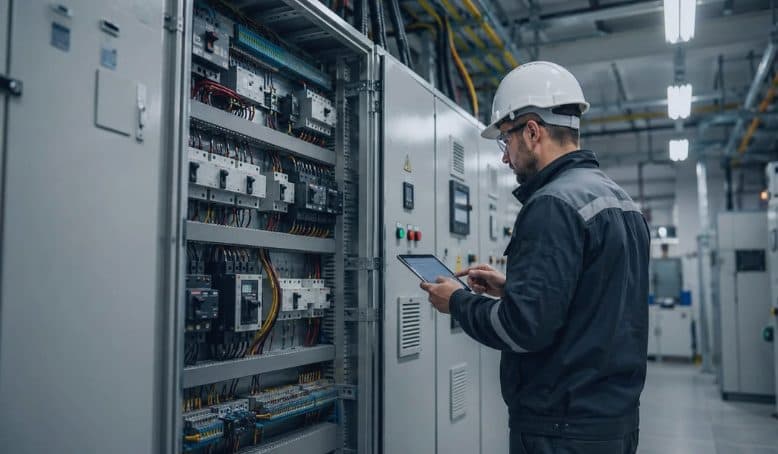
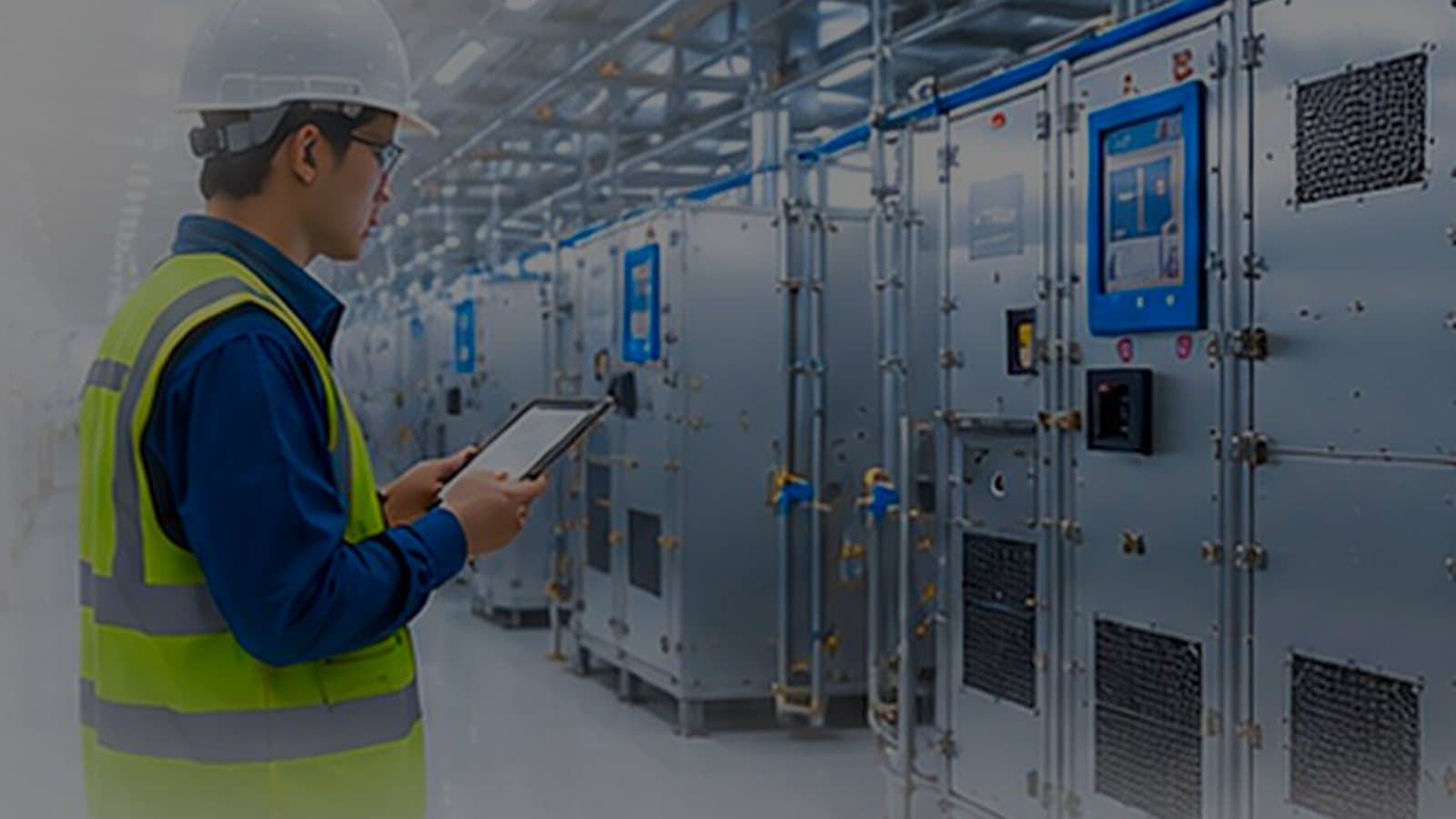
Custom control panels, MCC/MDB, and HVAC control enclosures are built and tested to your specification through our partner panel shops, ensuring seamless integration with your QBMS/EMS.

Managed Quality Control & FAT

Production operates under EU-GMP-aligned quality controls with full Factory Acceptance Testing and witness-test capability (EN 1886 / EN 1822). A documented control procedure ensures complete traceability that feeds directly into your validation package.

End-to-End Production Management

We coordinate the full production workflow across our partners — planning, quality assurance and control, technical engineering, and assembly — delivering equipment that has passed Factory Acceptance Testing.

Globally Referenced Equipment

Alongside partner production, we supply equipment from leading global manufacturers — including Camfil, Daikin, Carrier, and Munters — and source strategic components through qualified suppliers, ensuring supportable, globally referenced platforms for every project.

Our approach

From specification to site

Six controlled stages between the design package and a unit that is ready for Installation Qualification.

  1. Specification and selection

    Equipment is sized from the project's own calculated loads, airflow schedule and coincident design conditions, not from a nominal duty. Selection software output, coil circuiting, fan operating point, acoustic data and part-load behavior are reviewed together, and the specification records the standard each acceptance criterion comes from.

    Output

    • Technical specification and datasheet
    • Selection and performance calculations
    • Acceptance criteria schedule
  2. Detailed engineering and drawing approval

    General arrangement drawings, section details, panel layouts, wiring schematics and material specifications are issued for client approval. Access for filter change, coil cleaning and component replacement is drawn and dimensioned. Nothing is released to the shop floor until the approved-for-construction set is signed.

    Output

    • General arrangement and detail drawings
    • Electrical schematics and panel layouts
    • Approved-for-construction drawing set
  3. Production planning and in-process control

    Fabrication is scheduled against the project's need-by date with in-process inspection at defined hold points — material receipt, frame and casing assembly, welding, surface treatment, component installation and wiring. Each hold point is recorded, and non-conformances are raised and closed before the next stage begins.

    Output

    • Production schedule
    • In-process inspection records
    • Material and component traceability file
  4. Factory Acceptance Testing

    Completed units are tested at the manufacturing partner's facility against the approved specification: casing performance, airflow and static pressure, fan and motor performance, control function, alarm and interlock verification, and electrical safety. Testing is witnessed, deviations are recorded and closed, and the FAT report is issued as part of the equipment file.

    Output

    • FAT protocol and witnessed report
    • Test certificates and performance curves
    • Punch list closure record
  5. Preservation, packing and delivery

    Units are protected for transport and for the storage conditions they will meet on arrival — filters shipped separately where installation timing requires it, openings sealed, and desiccant and preservation specified for sea freight. Packing lists and lifting information are issued ahead of delivery so site access and rigging can be planned.

    Output

    • Packing list and shipping marks
    • Preservation and storage instructions
    • Lifting and handling information
  6. Installation support, SAT and documentation

    Our engineers support installation, supervise start-up, and execute Site Acceptance Testing against the same criteria used at FAT. The equipment file — drawings, certificates, test records, O&M manuals and spare parts list — is handed over in the structure the Installation Qualification protocol expects.

    Output

    • Installation and start-up supervision
    • SAT protocol and report
    • Equipment file, O&M manuals and spares list

Technical parameters

Equipment and acceptance criteria

Classifications available and the standards they are tested against. Project selections are confirmed in the equipment specification.

Air handling units — EN 1886

Casing mechanical strengthClasses D1 and D2 available
Casing air leakageClasses L1 and L2 available
Filter bypass leakageClass F9 for hygienic and cleanroom duty
Thermal transmittanceClasses T2 and T3 available
Thermal bridgingClasses TB2 and TB3 available
Hygienic constructionCleanable internal surfaces, no exposed insulation, drainable trays, inspection access to every section

Filtration — EN 1822 and ISO 16890

HEPA H13≥ 99.95 % integral efficiency at MPPS
HEPA H14≥ 99.995 % integral efficiency at MPPS
ULPA U15≥ 99.9995 % integral efficiency at MPPS
Pre- and secondary filtrationClassified to ISO 16890 (ePM1, ePM2.5, ePM10)
Terminal housingsScannable gel- or clamp-seal, with upstream aerosol injection and downstream scan access for installed leak testing

Cleanroom envelope and equipment

Wall and ceiling panels50, 75 and 100 mm modular systems; rock mineral wool, PU and aluminum honeycomb cores
Panel finishesPre-coated steel, stainless steel and HPL, flush-jointed and cleanable
Doors and windowsFlush glazed, single and double leaf, with interlocking where the cascade requires it
Fan filter units and HEPA boxesTerminal units with integral speed control and scannable seals
Pass boxes and air showersStatic and dynamic, with interlocked doors and defined purge cycles

Dehumidification and control panels

Desiccant dehumidificationUltra-low dew point capability to −60 °C and below for dry rooms
Humidity control precisionDown to ± 2 % RH for moisture-sensitive processes
Control panels and MCC/MDBDesign-verified and routine-tested to IEC 61439, with form separation and IP rating to the specification
Controls integrationInterfaced to BMS, EMS and QBMS on Rockwell, Siemens, COPA-DATA zenon and Ignition
Panel documentationWiring schematics, I/O schedule, routine test certificate and functional test record

Deliverables

The equipment file

Compiled during production, not reconstructed after delivery — so Installation Qualification starts from a complete record.

  • Technical specification, datasheet and selection calculations
  • Approved general arrangement, section and installation drawings
  • Electrical schematics, I/O schedules and panel layouts
  • Material certificates and component traceability records
  • Welding, surface treatment and passivation records where applicable
  • In-process inspection records and non-conformance closure
  • FAT protocol, witnessed report and test certificates
  • Fan performance curves and coil performance data
  • SAT protocol and report
  • Operation and maintenance manuals
  • Recommended spare parts and consumables list with filter schedule
  • Preservation, packing, lifting and storage information

Compliance

Manufacturing and test standards

EN 1886Ventilation for buildings — air handling units, mechanical performance
Casing strength, leakage, filter bypass, thermal transmittance and thermal bridging classification.
EN 1822High efficiency air filters (EPA, HEPA and ULPA)
Efficiency and leakage testing at Most Penetrating Particle Size, with individual filter certification.
ISO 16890Air filters for general ventilation
Classification of pre- and secondary filtration by particulate matter efficiency.
EN 13053Air handling units — rating and performance for units, components and sections
Component rating and performance declaration basis.
ISO 14644-4 · 14644-7Cleanroom design, construction and separative devices
Envelope, installation and separative device requirements for the cleanroom scope.
IEC 61439Low-voltage switchgear and controlgear assemblies
Design verification and routine testing of control panels, MCC and MDB.
ISO 9001Quality management systems
The quality management framework under which production and inspection operate.
EU GMPGood Manufacturing Practice
Alignment of documentation, traceability and change control with the client's validated environment.

Talk to our engineers

Tell us about your facility and we will route your inquiry to the right engineering lead.

Insights

Technical notes from this practice

View all insights (117)

Technical resources

Free references for this work

The references we reach for ourselves. No sign-up, and where a figure comes from a standard, we name it.

Air change rate calculator

Room volume to required airflow, or the rate an existing supply delivers. In m³/h and CFM.

Open the tool

Questions

Manufacturing & Distribution — questions we are asked

Answered by the engineers who do the work.

Production is carried out by qualified manufacturing partners under our engineering control. Our engineers own the specification, the drawings, the material requirements, the inspection regime and the acceptance criteria, and our quality controls govern the build. Partners provide fabrication capacity; technical accountability stays with Humiley.

Yes. Where a site has an approved component list, a preferred control platform or an established spares strategy, the specification is written around it. Keeping one motor, drive, filter format and controller family across a plant is usually worth more over the life of the facility than a small saving on a single unit.

Casing and construction verification, airflow and static pressure against the duty point, fan and motor performance, control and interlock function, alarm verification and electrical safety testing — all against the approved specification. Clients are invited to witness, and witness testing to EN 1886 and EN 1822 can be arranged where the project requires it.

By matching the installed base wherever it is sensible — footprint, connection positions, control interface and spares commonality — so the change impact stays small. The equipment file is prepared to support the requalification scope agreed with your quality unit, and the change is assessed before fabrication starts.

We supply equipment from established manufacturers including Camfil, Daikin, Carrier and Munters, and source strategic components through qualified suppliers. Where a globally supported platform is the right answer, we specify one; where a unit has to be engineered for the project, we engineer it and have it built by our manufacturing partners.

They depend on the unit, the component supply position and the approval cycle. The single largest variable is usually drawing approval, so we issue the general arrangement set early and agree a review turnaround at order stage. Long-lead components are identified in the technical bid evaluation and can be released ahead of the main order.

Yes. A recommended spares and consumables list with the filter change schedule is issued with the equipment file, and stock can be held against your maintenance contract so filters and critical components are on site before they are due.