Precision in Practice: 3D Design in Pharmaceutical Projects. In pharmaceutical projects, 3D design is more than visualization — it is a foundation of compliance. In GMP-regulated environments, design decisions directly affect safety,…
In pharmaceutical facilities, contamination control is not defined by room classification alone — it is defined by how flows interact. Even a facility that meets cleanroom classification requirements can face GMP risks if critical flows…
A cleanroom can meet its classification on paper, yet fail GMP expectations if HVAC performance is unstable or poorly aligned with operational reality. Cleanroom performance is often discussed in terms of ISO classes or GMP grades.
Cleanroom surfaces look like a finishing trade and behave like a performance system. Wall, floor and ceiling finishes decide whether a room can be cleaned to its classification, how long it survives a sporicidal regime, and how much particulate it sheds back into the air it was built to keep clean.
In GMP audits, scrutiny often lands on Cleaning Procedures. Using portable vacuum cleaners in cleanrooms is a red flag. Why? Because the exhaust turbulence from a portable unit disrupts laminar airflow and can aerosolize settled dust,…
In pharmaceutical manufacturing, maintaining compliance is no longer based only on periodic qualification – it requires continuous environmental oversight.…
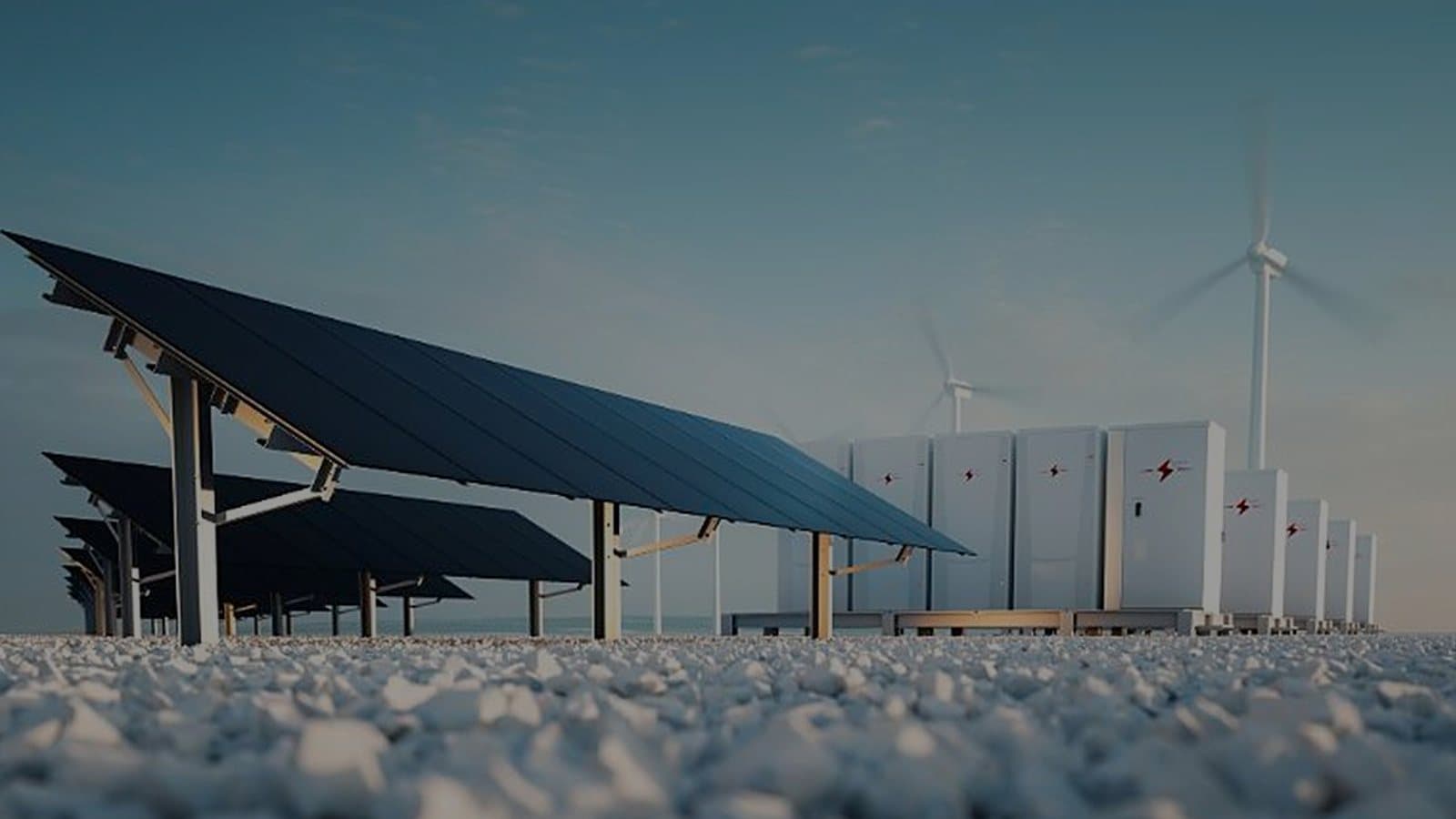
Many investors mistakenly view a Battery Energy Storage System (BESS) as merely a giant "backup generator" or a passive power bank. This view overlooks its true potential. In reality, BESS is a powerful financial and engineering…
In Battery Energy Storage Systems (BESS), Lithium-ion batteries face one ultimate adversary: Temperature. Excessive heat drastically shortens battery lifespan (SOH). More critically, uncontrolled heat in a single cell can trigger Thermal…
Sterile production depends on water and steam that meet pharmacopoeial limits at the point of use, not at the generator. Most clean utility failures are distribution failures.
A smoke study is not a formality filmed before handover. It is the only test that shows whether air behaves the way the design assumed, and it routinely finds things a particle count never will.