Grade B must meet ISO 5 at rest (3,520 particles ≥ 0.5 µm/m³) but only ISO 7 in operation (352,000/m³). The hundredfold allowance covers the line running and people at work, and people are the larger source. Size airflow for the real headcount, set the clean-up period, treat gowning as a control and monitor where people work.
ISO 13485 §6.4.2 asks for documented contamination control without naming a cleanroom class. Setting the class from sterilisation method, patient contact and bioburden sensitivity often lands device assembly at ISO 8, with ISO 7 only where needed, less air than Grade C, a smaller AHU and a reason an auditor can read.
Six discipline models in one BIM file can still be issued on six dates, and every clash in the ceiling void then becomes an RFI. Splitting the void into zones, each with a clash register that includes soft clashes and is signed by every discipline lead before issue, keeps them in the design office.
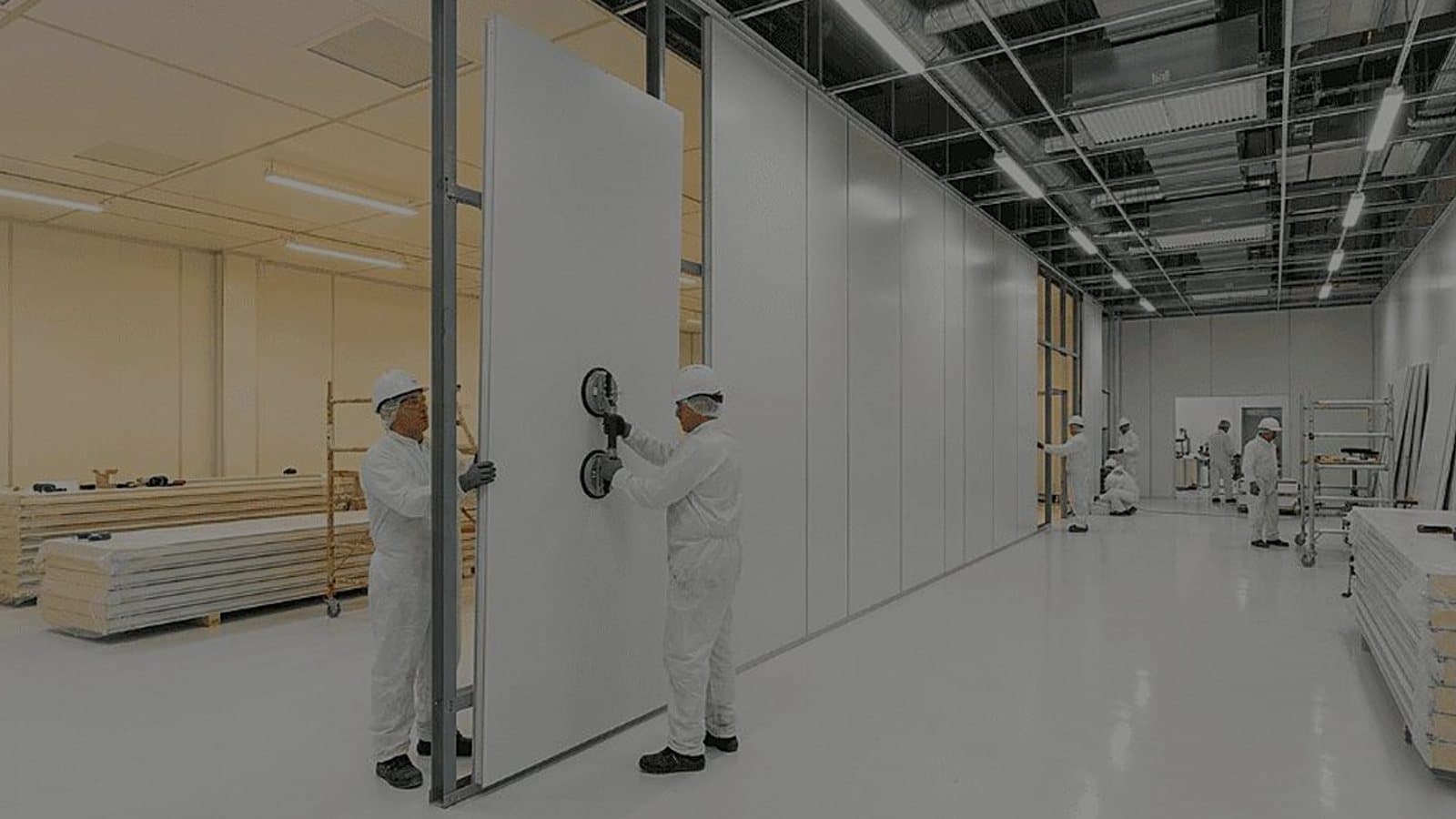
Rock wool, PU and aluminium honeycomb cores in 50, 75 and 100 mm panels each answer a different requirement: fire rating, thermal performance or flatness. Thickness follows services, span and door frame depth, while cleanability depends on flush joints, coved corners and sealed penetrations.
A fan offered at 45 mmAq and 50 m³/min against a schedule of 450 Pa and 3,000 m³/h matches on airflow and is about 2% short on pressure. The bigger check is the basis: schedules state external static pressure, while some datasheets give total pressure before the unit's internal losses.
EU GMP Annex 1 (2022) sets maximum requalification intervals: 6 months for Grade A and B cleanrooms and 12 months for Grade C and D. Classification, HEPA leak tests, airflow volume, pressure differentials and air velocity, or recovery where airflow is not unidirectional, are retested. A risk assessment can shorten these intervals, never extend them.
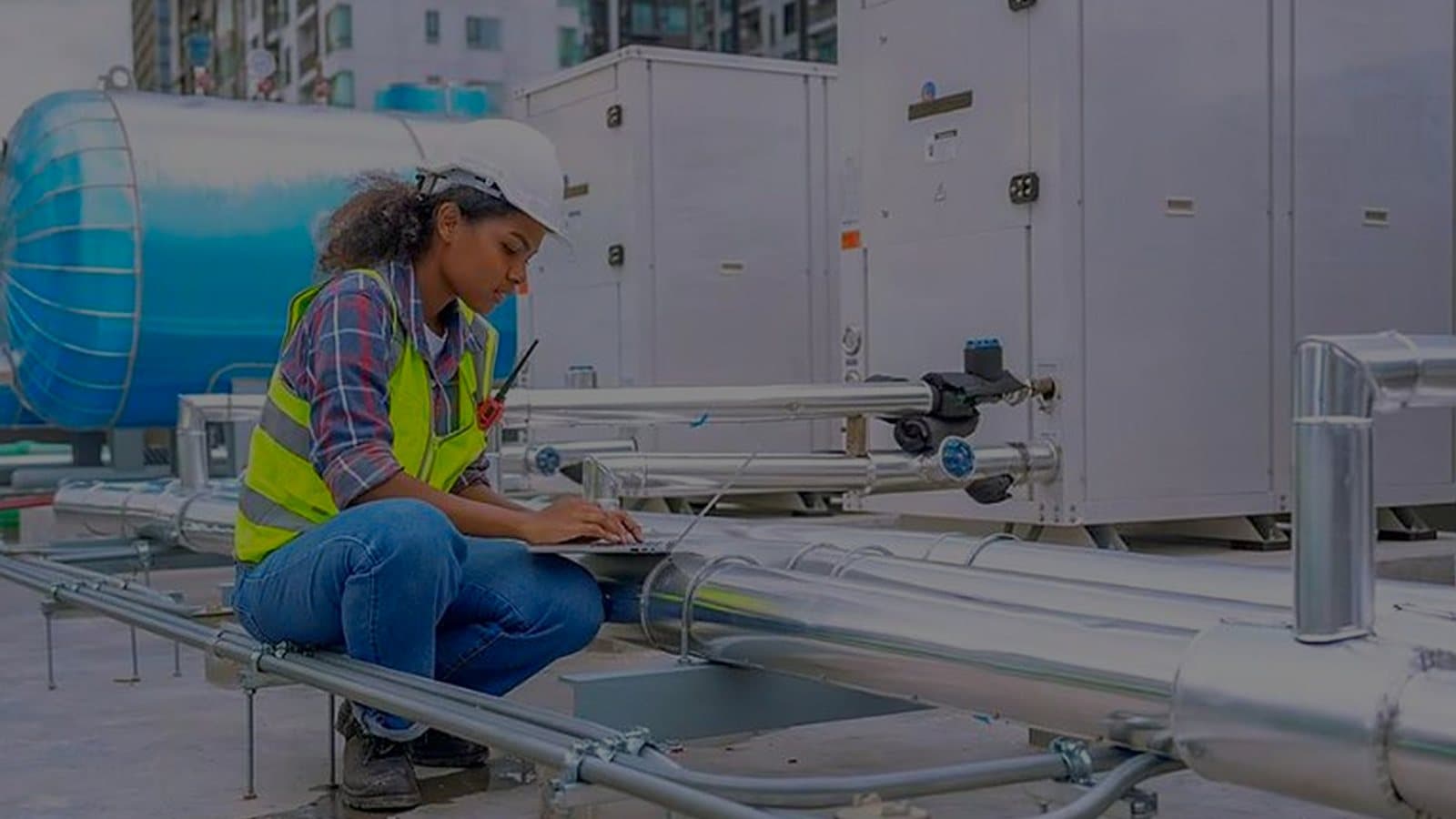
Electric reheat is paid for twice, as heat and as the cooling that removed it. A wrap-around heat pipe reheats with no energy input but adds pressure drop: 100 Pa at 5 m³/s and 60% fan efficiency is about 833 W, every running hour. The comparison is a per-unit calculation.
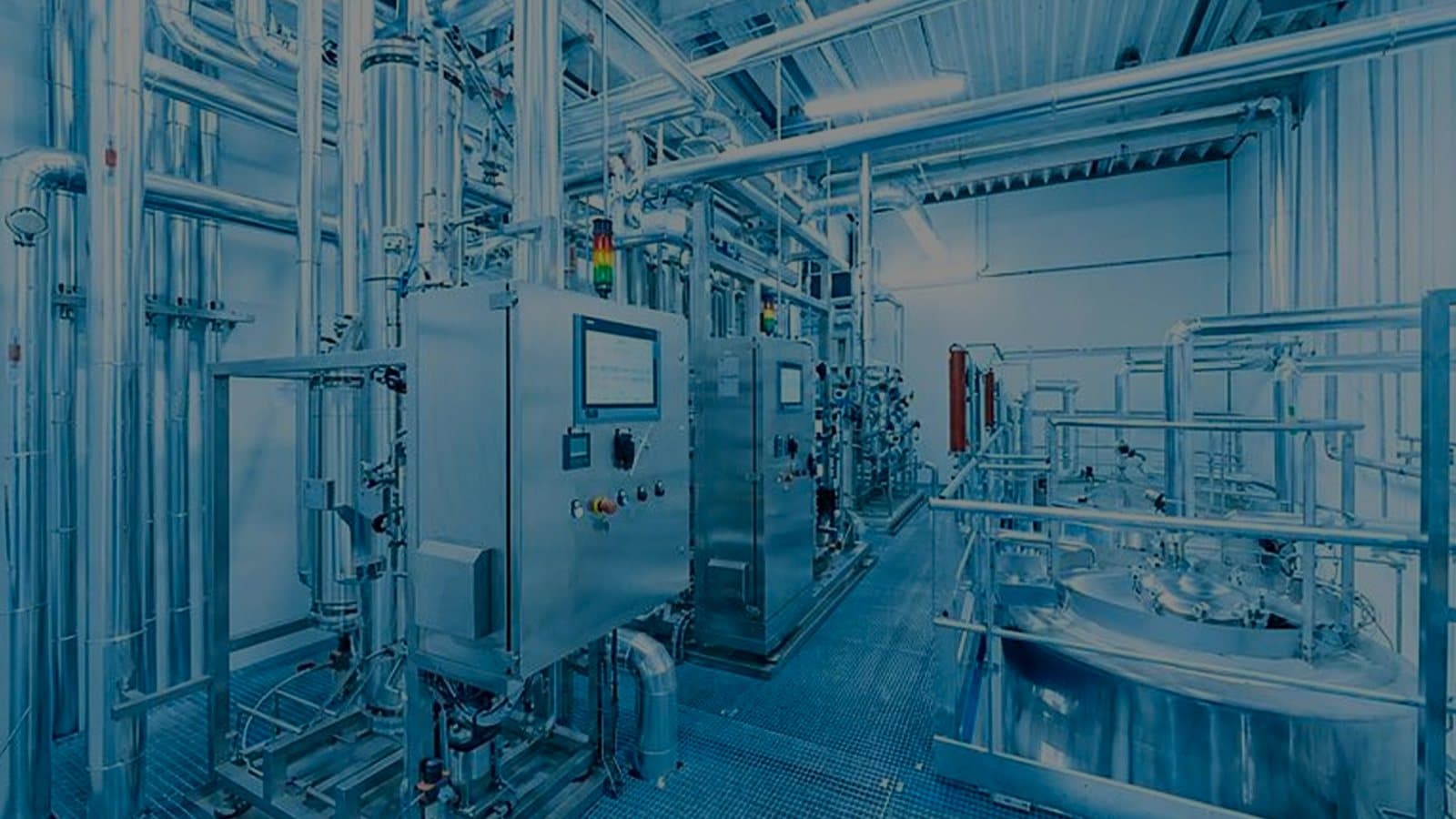
EU GMP Annex 1 (2022) gives WFI circulation above 70 °C as an example of minimizing the risk of microbial growth. Keeping a loop hot drives the design: ASME BPE dead legs of L/D ≤ 2, turbulent flow to the last user point, planned sanitization and sensors on the return. The CCS should justify all of it.
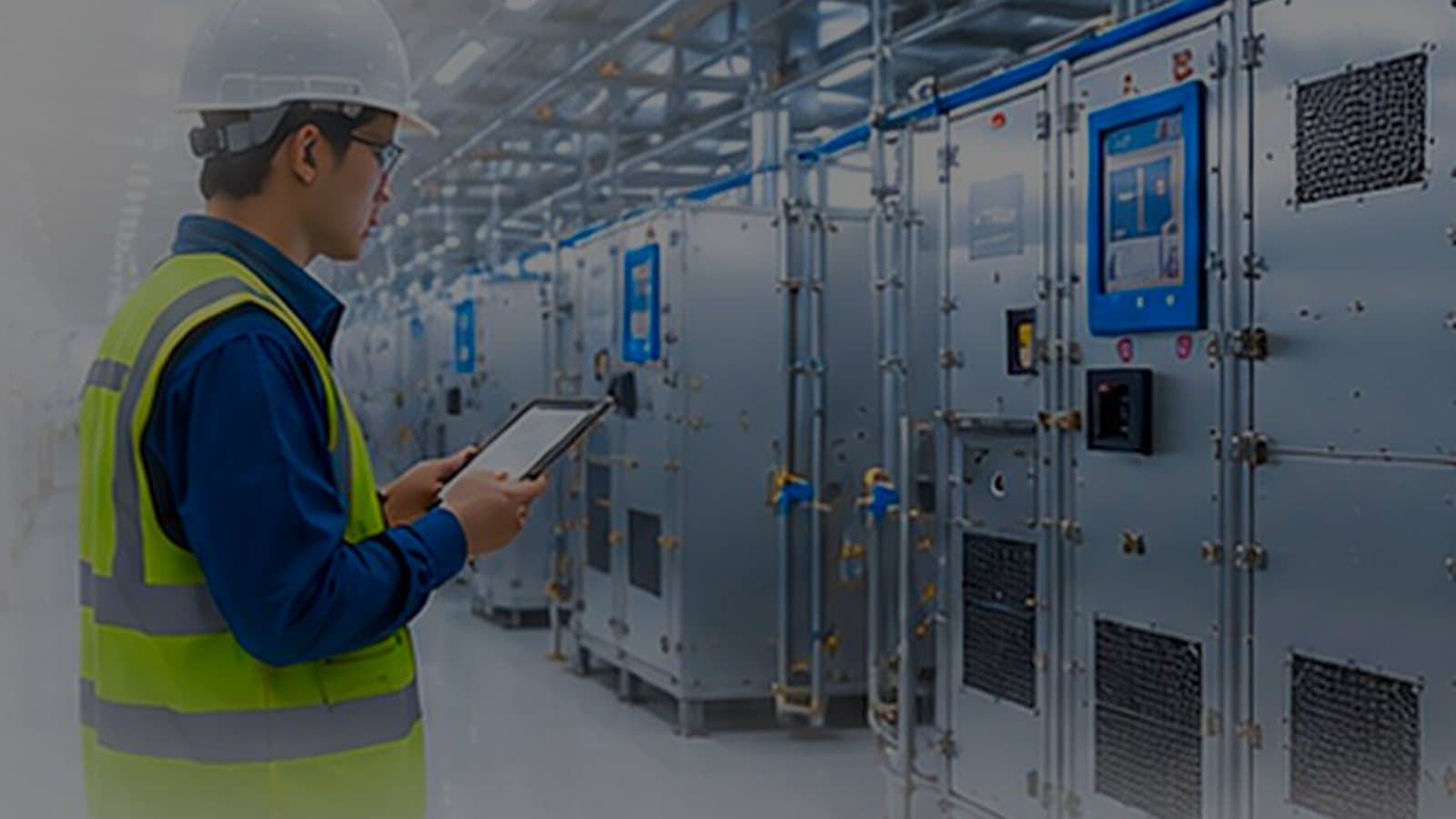
The sequence of operation decides what a cleanroom does on restart, on a trip and in a power cut. QA usually meets it at OQ, when every change costs a software revision and a retest. Walk it line by line with QA and maintenance before panels are built: start order, trips, alarm delays and fail positions.
High-purity PVDF joined like ordinary plastic pipe leaves fusion beads that trap bacteria, so fab UPW loops use bead-and-crevice-free joints. UHP gas lines add electropolished 316L, orbital welds with coupons, helium leak tests and outlet particle, moisture and oxygen checks. Pharma WFI practice shares much of the discipline.
Nameplate kW is maximum electrical input. Heat released to a cleanroom depends on duty cycle, ducted exhaust, process cooling water and product. A 10 kW oven at 50% duty with half its heat ducted away adds about 2.5 kW. Summing nameplates oversizes coils and hurts dew point control at part load.