On multi-contractor sites the decisions between scopes go unowned first: envelope penetrations, punch-list closure, construction cleanliness, interface as-builts and turnover sign-off. A RACI works when it names those decisions, with one accountable person each, and is reviewed whenever a scope changes.
Most of a cleanroom HVAC contract is paid before the turnover documents exist. Split the retention into two parts, released on acceptance of the turnover package and of the documents, and size the documentation part on what it would cost the owner to finish as-builts, calibrations and retests without the contractor.
A layout change after award that adds cleanroom panel is a quoted variation under a lump sum, and a measured item at bill rates under a remeasurable contract. Equipment usually suits a lump sum; duct, pipe, cable and panel area suit measurement, with rules such as gross or net of doors agreed at tender.
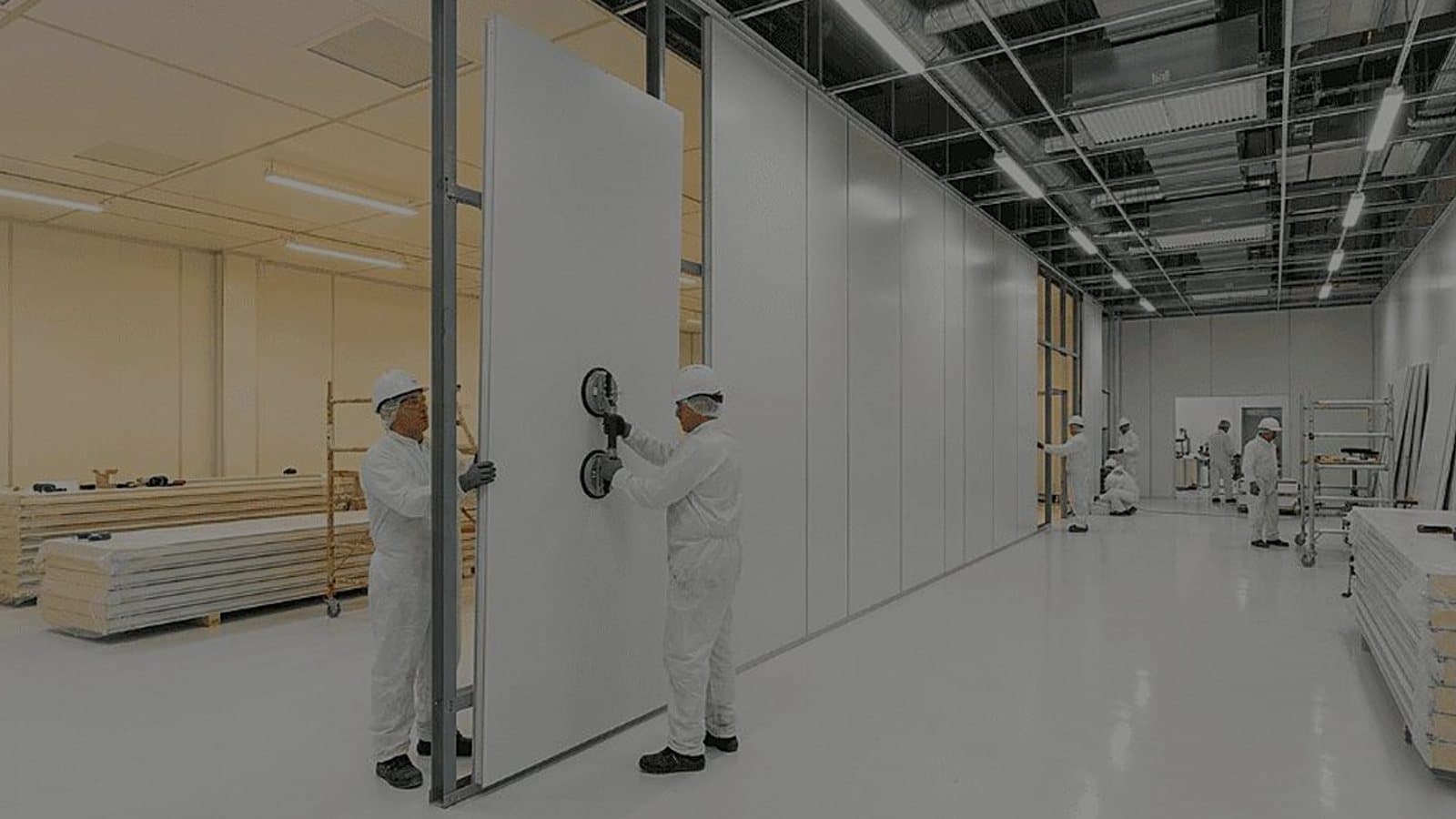
Dust built into a cleanroom is slow to remove. A clean build protocol stages the rules: dirty work first, then a closed envelope with no cutting inside, HVAC on temporary filters, a final clean with gowning, and terminal HEPA filters fitted last. Each stage needs an inspection and a signature before the next begins.
The critical path is the longest chain of dependent activities from today to the finish, and its activities have no float. Size, cost and importance are not part of the calculation, so a calibration certificate can sit on the path while a major delivery has weeks to spare. The path changes at every schedule update.