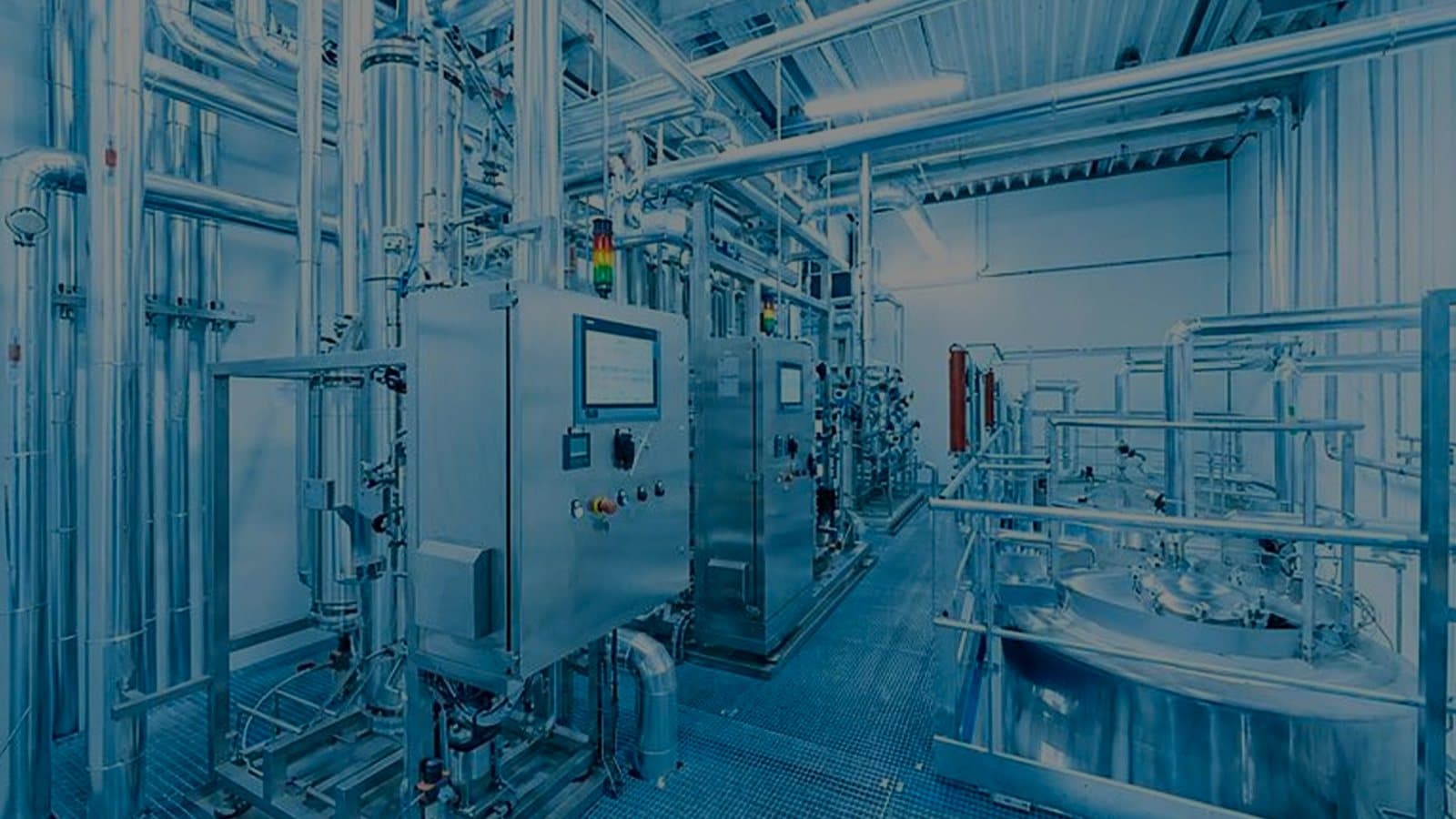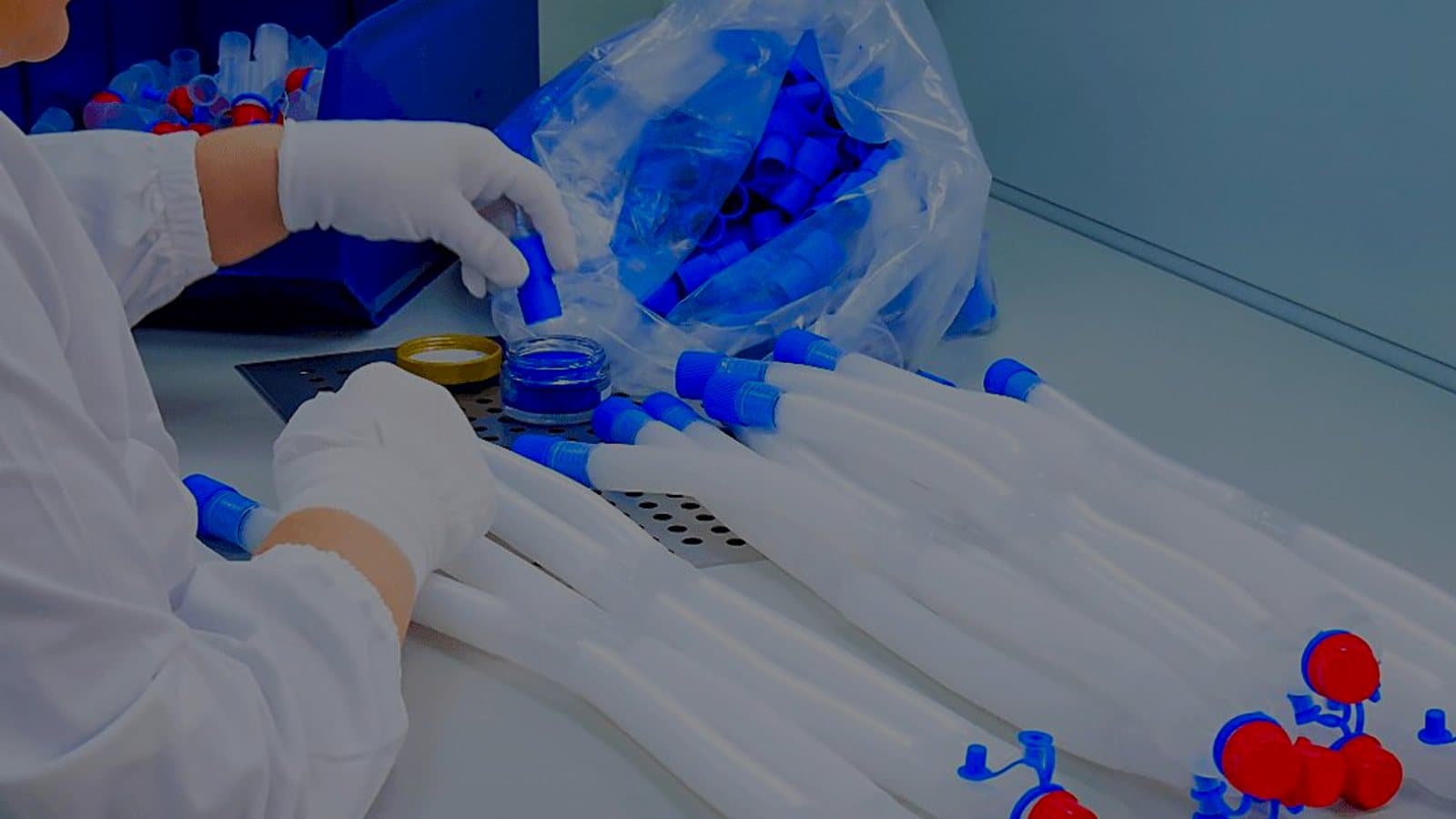
One open pipetting step can decide whether a cell therapy suite needs Grade B rooms, full aseptic gowning and the AHUs that go with them.
Where the product is exposed to room air, the step needs Grade A air around it. With a biosafety cabinet, that usually means a Grade A zone in a Grade B background, with the gowning, airlocks and air volumes that come with B. An isolator changes the background requirement, and so does a process that is genuinely closed.
Closed processing means the product never meets room air: sterile connectors or tube welding, bags and closed bioreactors, sampling through closed ports. When closure is designed in and proven, the risk assessment can justify a lower background grade, and the EU GMP guidelines for ATMPs allow for that. The rooms get smaller AHUs, simpler gowning and fewer airlock steps, and the saving repeats every day the suite runs.
The catch is that closure has to be real. One open step, a manual media addition or an open sample, pulls that operation back into a cabinet with a B background. Connector integrity has to be tested, and the contamination control strategy has to explain why each connection counts as closed.
So we ask for the process map before the room grades. Draw every step, mark the ones that open the product, and the grades mostly follow.
Humiley designs biotech and cell culture suites to the ATMP GMP guidelines (Part IV).
Industries