
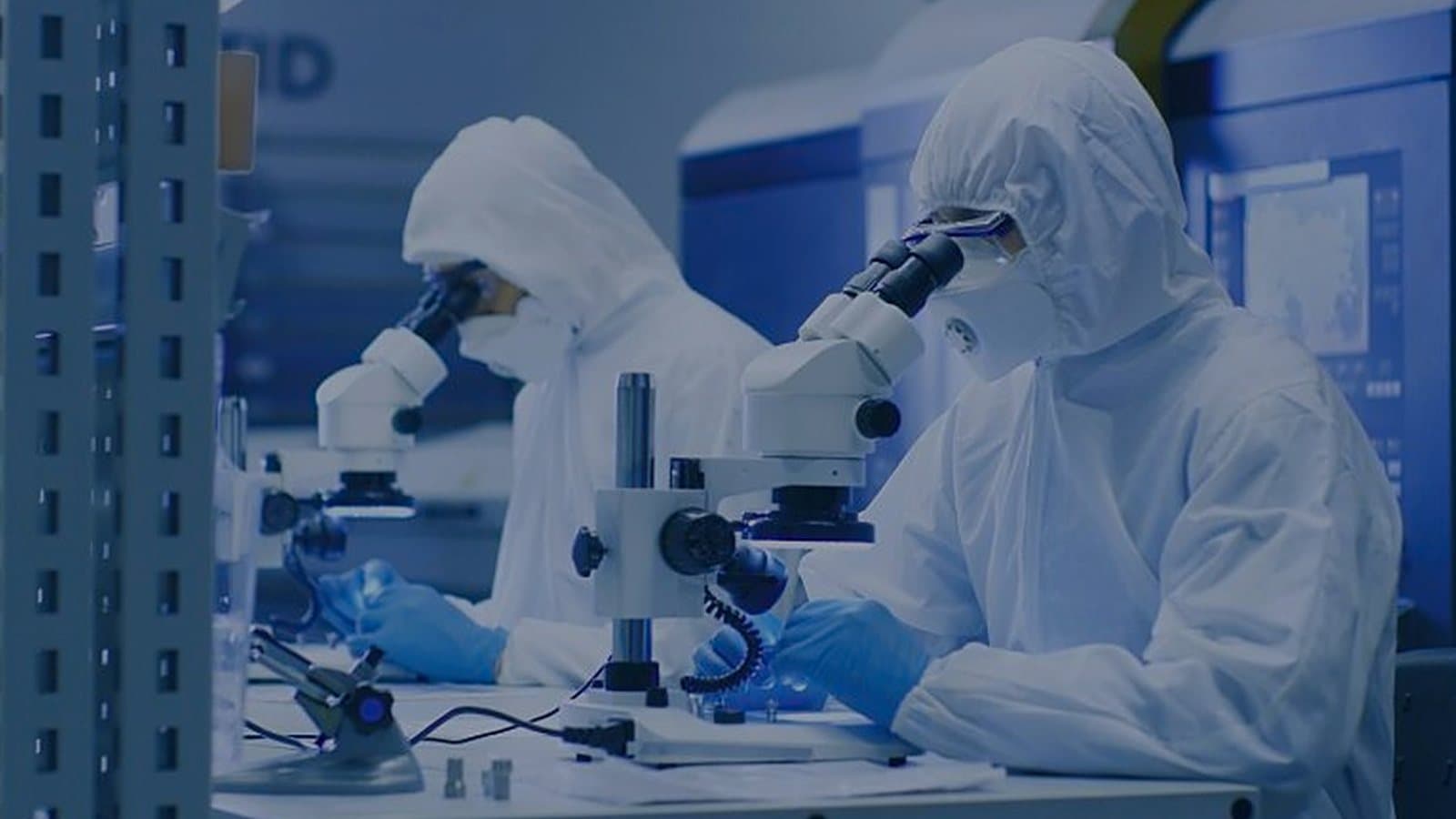
A device assembly room specified as "Grade C, like the pharma plant" usually ends up cleaner and dearer than the product needs.
And nobody can say why. Pharma grades come from EU GMP Annex 1 and describe sterile medicinal products. ISO 13485 takes a different route. Clause 6.4.2 asks the manufacturer to plan and document contamination control for its product, and for sterile devices to control microorganisms and particulate matter, without naming a cleanroom class. The class is a design decision that has to come out of the product's risk.
The questions that set it:
- Is the device sterilised after assembly, and by what method?
- Does it contact blood, tissue or the inside of the body?
- How sensitive is it to particles and bioburden before sterilisation?
Answered honestly, many assembly areas land at ISO 8 under ISO 14644-1 (ISO 7 only where the product needs it), with particle sizes and occupancy state named in the URS. Grade C is ISO 7 at rest, so the saving is real: less air, a smaller AHU and lower fan energy for the life of the line, without Annex 1's microbial monitoring and gowning regime. The record improves too, because the class now carries a reason an auditor can read.
Humidity belongs in the same decision, since a room dried hard for the product can create a static problem on the line.
Risk-based classification with particulate and ESD control is how we approach device assembly.
Topics
Industries


