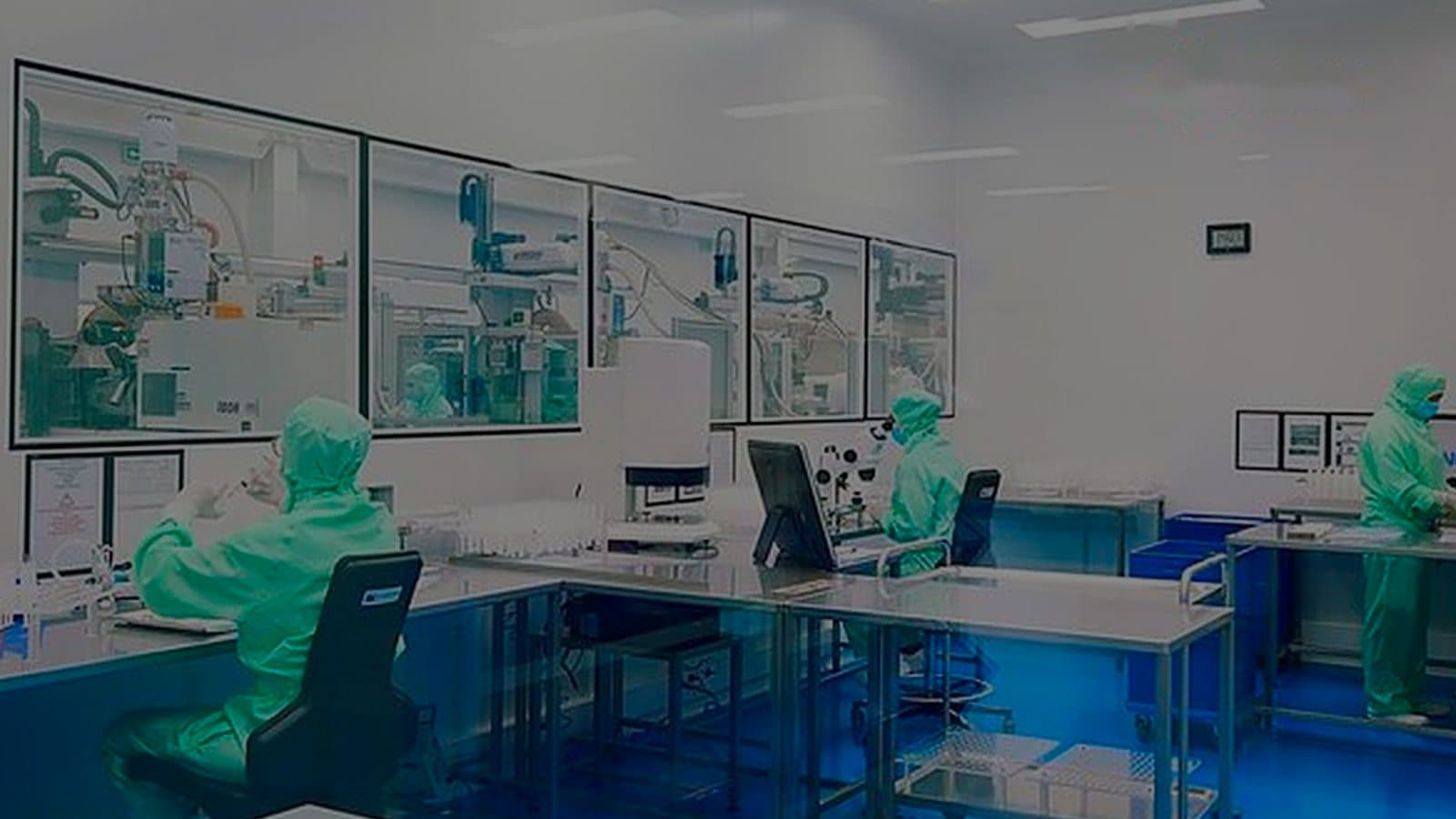
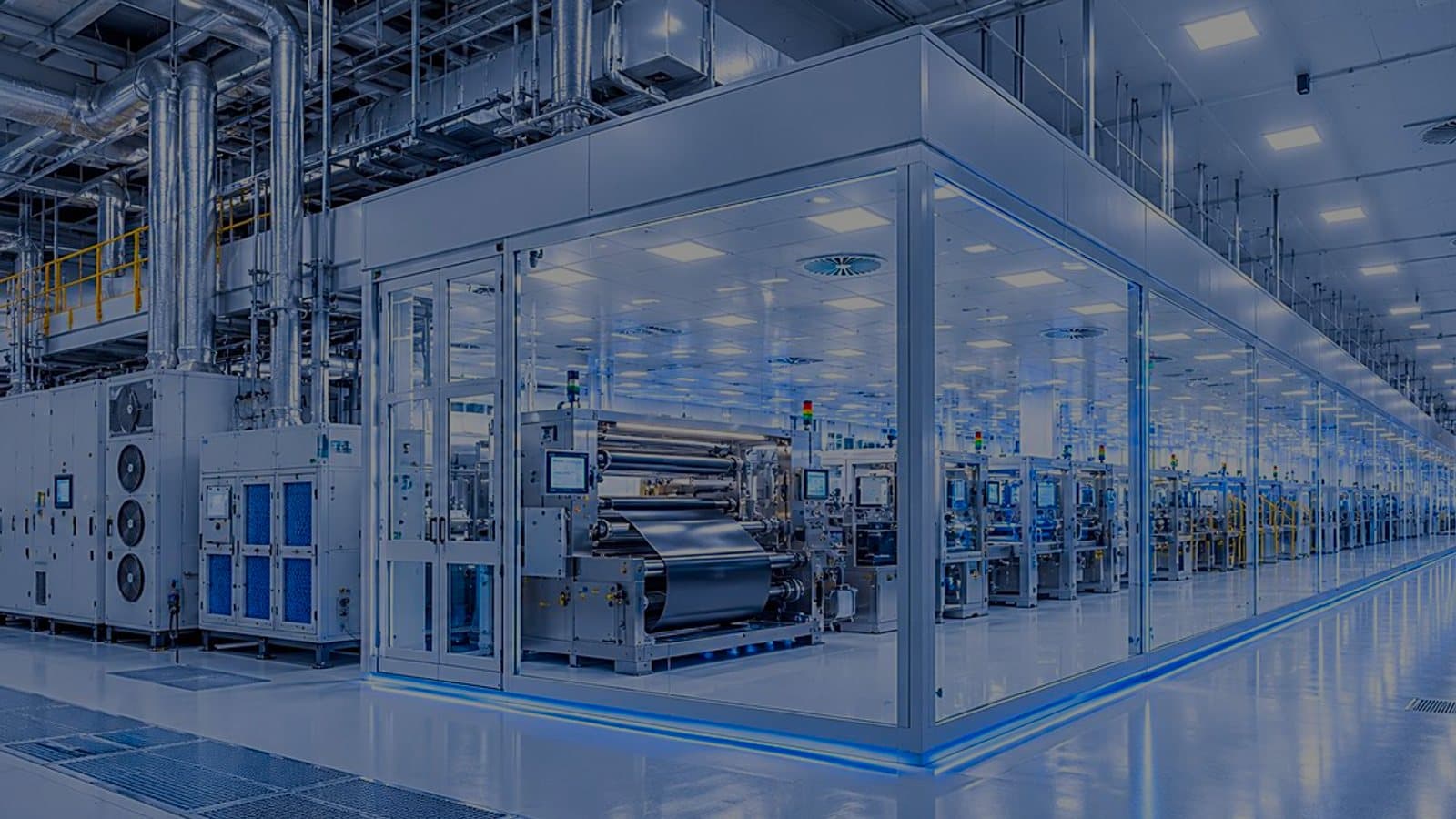
At 0.45 m/s across a 1 m clean zone the Reynolds number is about 30,000, far beyond laminar flow. ISO 14644-1 and the 2022 EU GMP Annex 1 use the term unidirectional airflow: steady velocity, roughly parallel streams. It is tested by air speed, uniformity and smoke studies, so write it that way in the URS.
Cleanroom testing is often bought late and on price, and QA first meets the tester as a signature on a report. Before the order, hold evidence of tester training, calibrated instruments, method statements to ISO 14644-1 and ISO 14644-3, a sample report and agreed raw data practice, then list the tester as an approved supplier.
Fan power scales roughly with the cube of speed, so right-sizing air change rates against recovery is the first lever. Dew-point control that cuts overcooling and reheat, and energy recovery where cross-contamination allows, follow. Humiley's energy modeling targets 30% lower HVAC energy with GMP limits untouched.
At 21 °C, 45% RH needs supply air near an 8.6 °C dew point; 55% RH needs about 11.6 °C. That 3 K is paid at the coil and in reheat every hour. Write each RH band from product data with its reason, and keep tight-band rooms off the AHU that serves the rest.
URS, DQ, IQ, OQ and PQ are drawn as a sequence, but every test on the right of the V-model depends on a measurable requirement on the left. Writing the URS before concept design and starting the traceability matrix on day one turns late site changes into early drawing changes.
A 10–15 Pa differential between grades exists only while the door is shut. Once it opens, door swing, the operator's wake and any temperature difference between rooms drive air both ways. Holding adjacent rooms at the same temperature, keeping door-open time short and interlocking airlocks keep the exchange small.
Precision in Practice: 3D Design in Pharmaceutical Projects. In pharmaceutical projects, 3D design is more than visualization — it is a foundation of compliance. In GMP-regulated environments, design decisions directly affect safety,…
In pharmaceutical facilities, contamination control is not defined by room classification alone — it is defined by how flows interact. Even a facility that meets cleanroom classification requirements can face GMP risks if critical flows…
A cleanroom can meet its classification on paper, yet fail GMP expectations if HVAC performance is unstable or poorly aligned with operational reality. Cleanroom performance is often discussed in terms of ISO classes or GMP grades.
In pharmaceutical facility design, if the HVAC system is the "lungs," then the Zoning and Pressure Cascade strategy is the "immune system." It creates invisible but effective barriers that prevent microbial ingress and strictly control…
Cleanroom surfaces look like a finishing trade and behave like a performance system. Wall, floor and ceiling finishes decide whether a room can be cleaned to its classification, how long it survives a sporicidal regime, and how much particulate it sheds back into the air it was built to keep clean.
Critical environments are expected to operate continuously under highly controlled conditions. In facilities such as cleanrooms, pharmaceutical plants, semiconductor fabs, and high-tech production areas, system stability is closely tied to…