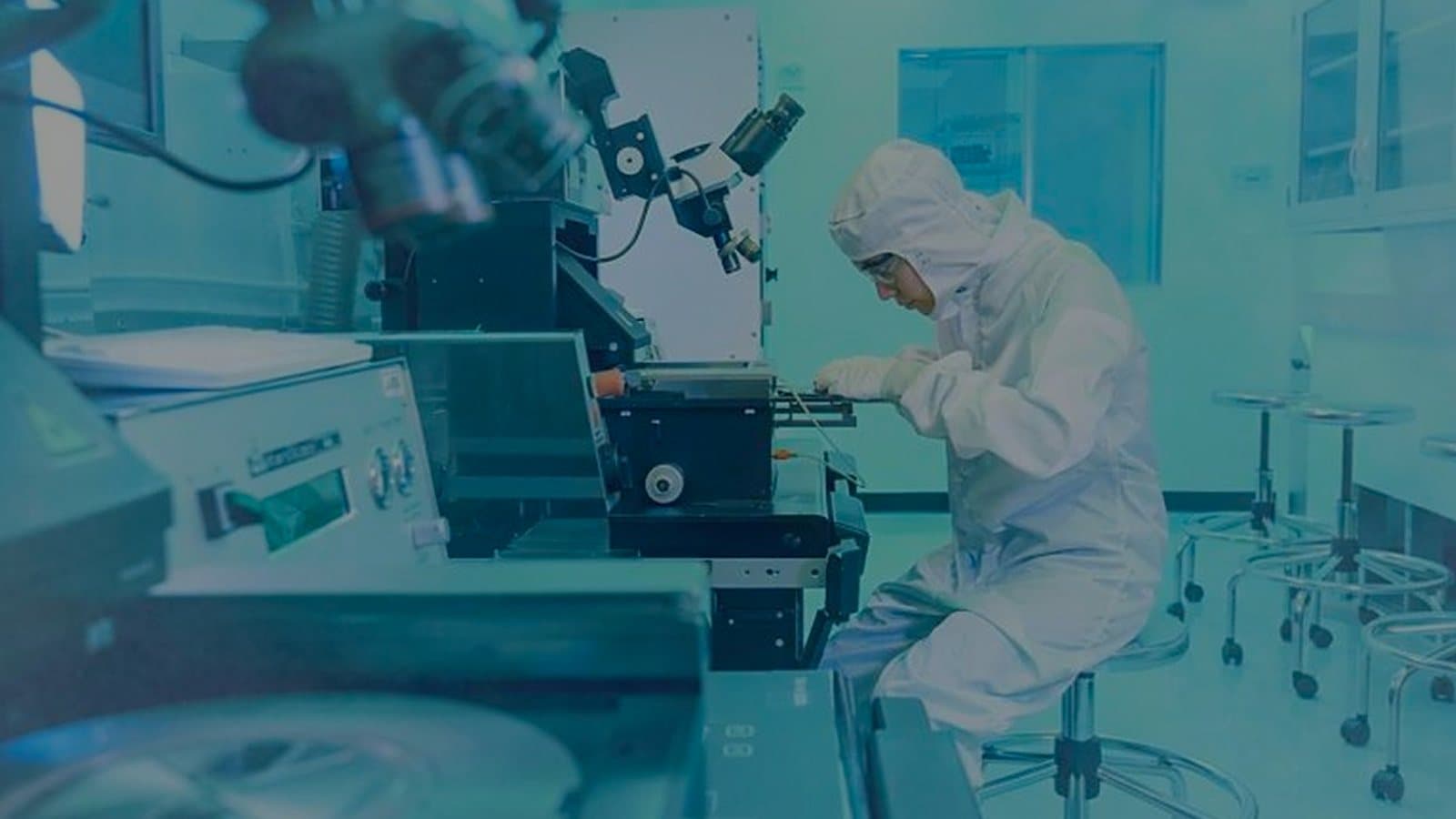
On a Li-ion dry room, every cubic metre of supply air added "for cleanliness" is another cubic metre the desiccant rotor has to dry.
It is an easy habit to bring from pharma. In a Grade A or B suite, more air usually means faster recovery and lower particle counts, so extra air changes feel like cheap insurance.
A room held at a dew point of −60 °C or below works to a moisture budget instead. The loads that fill it are the people inside, breathing and sweating, the air that leaks through the envelope, and the air carried in through the airlocks. In many dry room systems the return air goes back through the rotor together with the make-up air, so a bigger supply airflow means a bigger rotor and more regeneration heat, while the room gets no drier for it. Size the airflow from the moisture balance and the process heat, then check it against any particle requirement, not the other way round.
A good part of the pharma toolkit does transfer: pressure control between zones, airlock sequencing and sealing every penetration in the envelope. Dew point sensors take the place particle counters hold in a GMP suite, so they need calibration and a place in the alarm plan.
We work on both sides: EU-GMP / WHO-GMP facilities in life sciences, and Li-ion dry rooms to −60 °C dew point and below.
How do you set supply airflow on a dry room: from the moisture balance or from an air-change target?
Industries