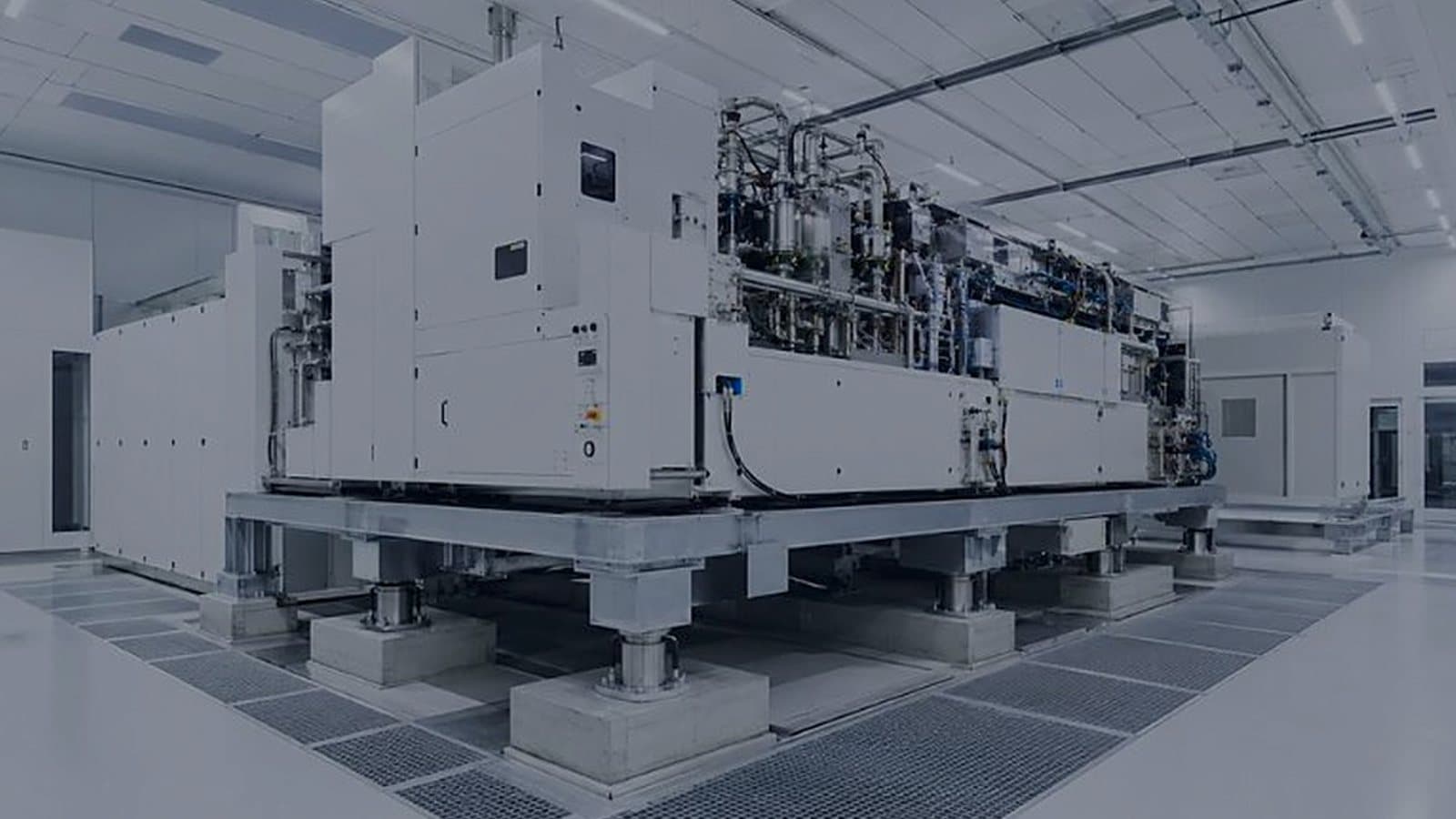
Cleanroom coils still get sized from the electrical list, with every machine counted at its nameplate kW.
Nameplate is the maximum electrical input. A dryer cycles, a press idles between batches, a balance draws almost nothing. Some heat also leaves by another route: up a ducted oven exhaust, into process cooling water on a jacketed vessel, or from a motor mounted in the technical area behind the wall. A little goes out inside the product.
A worked example, not project data: a 10 kW drying oven running 50% of the shift, with half its heat going up a ducted exhaust, puts about 2.5 kW into the room.
Oversizing hurts more in a cleanroom than in an office. Supply airflow is usually set by the cleanliness class rather than by the cooling load, so the spare coil capacity cannot be used by moving more air. The coil spends most of its life at part load, where dew point is harder to hold and the reheat bill goes up.
ASHRAE Fundamentals gives usage and radiant factors as a starting point. We would still rather have the process engineer's figure, machine by machine and for each operating mode. Going too low costs too: if the process changes and the usage factor was optimistic, the room runs warm. So each heat-to-room figure goes into our design basis with its source, for the next engineer to see.