A U17 filter passes at most 5 particles in 100 million at its most penetrating size. Very few rooms need that.
EN 1822 grades HEPA as H13 at 99.95% and H14 at 99.995%. The ULPA classes continue from there: U15 at 99.9995%, U16 at 99.99995% and U17 at 99.999995%, all measured at MPPS.
More efficiency from the medium generally means a denser or deeper pleat pack, and that shows up as pressure drop at the same face velocity. On one filter the extra pascals hardly matter. Across a fab ceiling with hundreds of fan filter units they are fan energy running every hour of the year, so the filter class deserves a line in the energy model.
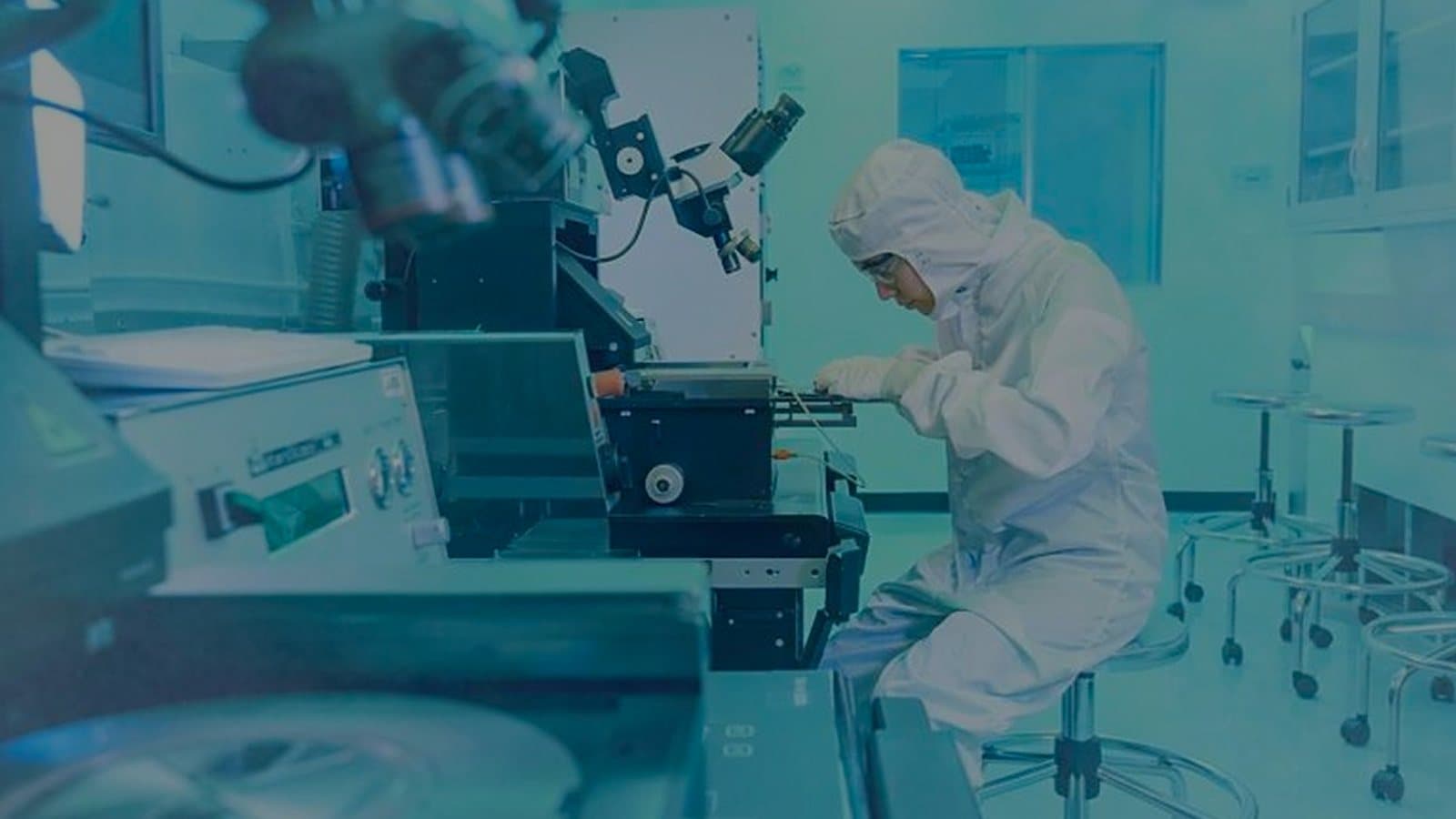
Semiconductor ISO Class 1 to 3 rooms justify the cost. ISO 14644-1 allows 10 particles of 0.1 µm per cubic metre in an ISO Class 1 room, and at that level the filter stack is one of the few things between the process and a killer defect. U15 to U17 in a multi-stage arrangement is normal there.
A pharma Grade A zone is ISO 5, and H14 with a sound seal and a clean installed leak test is the usual choice. The counts in Grade A come mostly from people, interventions and leaks at the seal, so moving that zone to U15 adds pressure drop without touching the main sources.
Our semiconductor scope covers ISO Class 1 to 3 cleanrooms with multi-stage HEPA and ULPA filtration.
Industries