A 3 m/s supply jet near a pressure tap can shift the reading by up to about 5 Pa, down or up depending on its angle, which is a third to half of a 10–15 Pa cascade. Tap position, tubing without low loops, matched tube lengths and a still reference port decide whether a room pressure trend is trustworthy.
In a controlled ambient pharma warehouse the roof is the largest heat source and the top rack sits under it. A reflective surface, continuous insulation, high-level return air and carefully used destratification fans reduce what the active cooling must remove, and a cheaper roof shows up as a bigger chiller.
GMP cleanrooms are usually designed with 10 to 15 Pa between adjacent grades. ANSI/ASHRAE/ASHE Standard 170 sets a minimum of 0.01 inch of water, about 2.5 Pa, for hospital rooms such as isolation rooms and operating rooms. At that level door closers, seals, a sealed envelope and a monitor chosen for the range decide whether the pressure holds.
Pure water has a resistivity of 18.18 MΩ·cm at 25 °C because its own ions conduct, so no treatment plant can deliver more. That is 0.055 µS/cm, against 1.3 µS/cm for the USP Purified Water stage 1 limit. Resistivity sees only ions, so UPW specifications add TOC, particles, dissolved oxygen and silica.
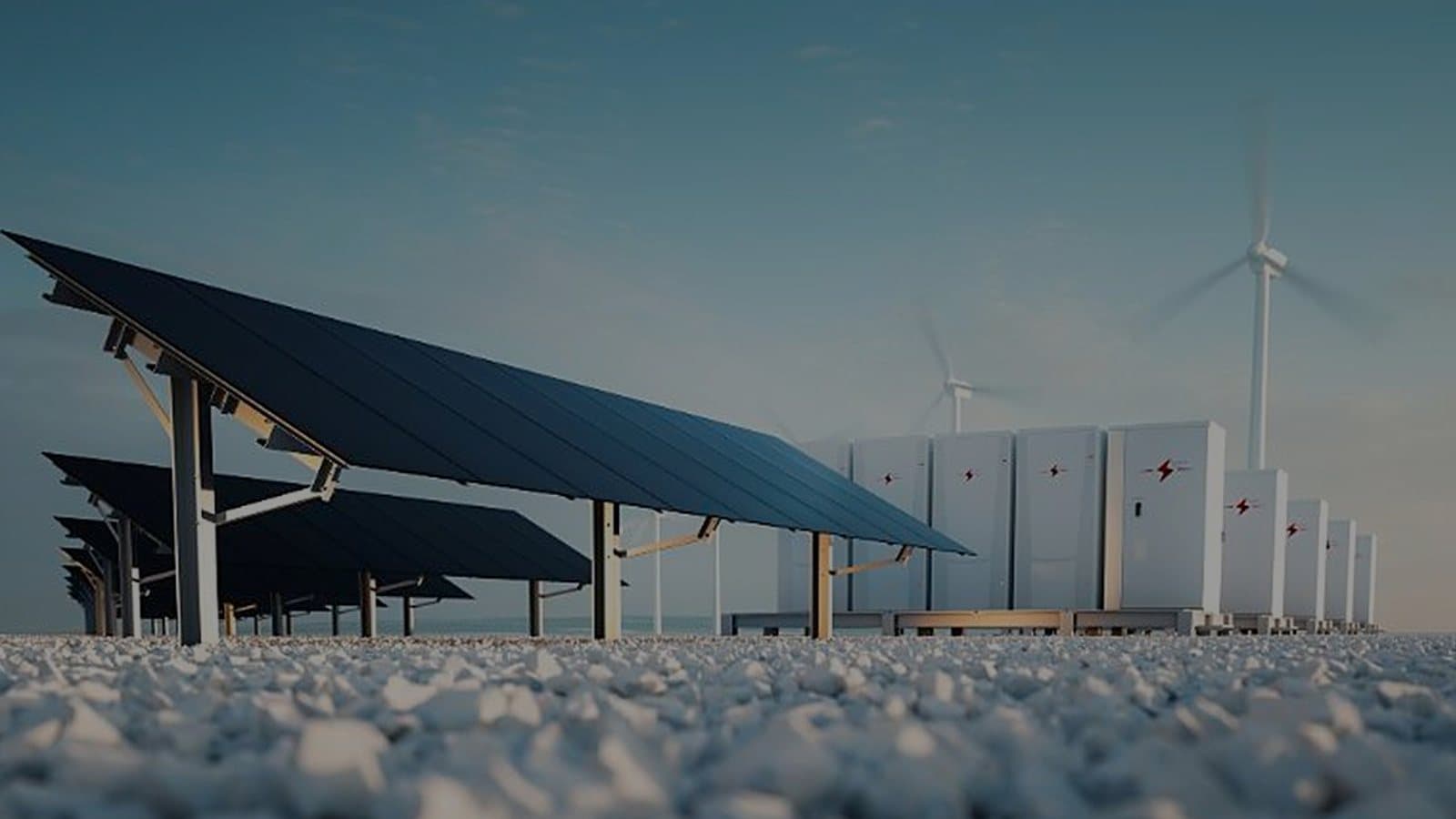
Many investors mistakenly view a Battery Energy Storage System (BESS) as merely a giant "backup generator" or a passive power bank. This view overlooks its true potential. In reality, BESS is a powerful financial and engineering…
Renewable energy suffers from a fatal flaw: Intermittency. The sun only shines during the day, and the wind is unpredictable. Relying on just one source often requires a massive, costly Battery Energy Storage System (BESS) to bridge the…
Solar energy isn’t just about reducing electricity costs. It’s also a more environmentally friendly choice. Every solar system installed means less dependence on electricity generated from fossil fuels. Fewer emissions. Less noise. Less…
Variable Speed Fans & Demand-Controlled Ventilation: Smarter HVAC for Decarbonization. In the renewable energy transition, HVAC systems are evolving from constant operation to intelligent, energy-optimized performance. Two key…
Energy Recovery as a Standard Feature: Decarbonization Driving HVAC Innovation. As the renewable energy sector accelerates toward net-zero goals, HVAC design is shifting from energy consumption to energy conservation and recovery. Energy…
Smart Integration with Renewable Power Sources: Decarbonization Driving HVAC Innovation. As renewable energy becomes a dominant power source, HVAC systems are evolving beyond efficiency – toward intelligent integration with clean…
Low-GWP Refrigerants & Sustainable Materials: Decarbonization Driving HVAC Innovation. As the renewable energy sector pushes toward net zero, HVAC sustainability is no longer only about reducing energy use – it also means addressing the…