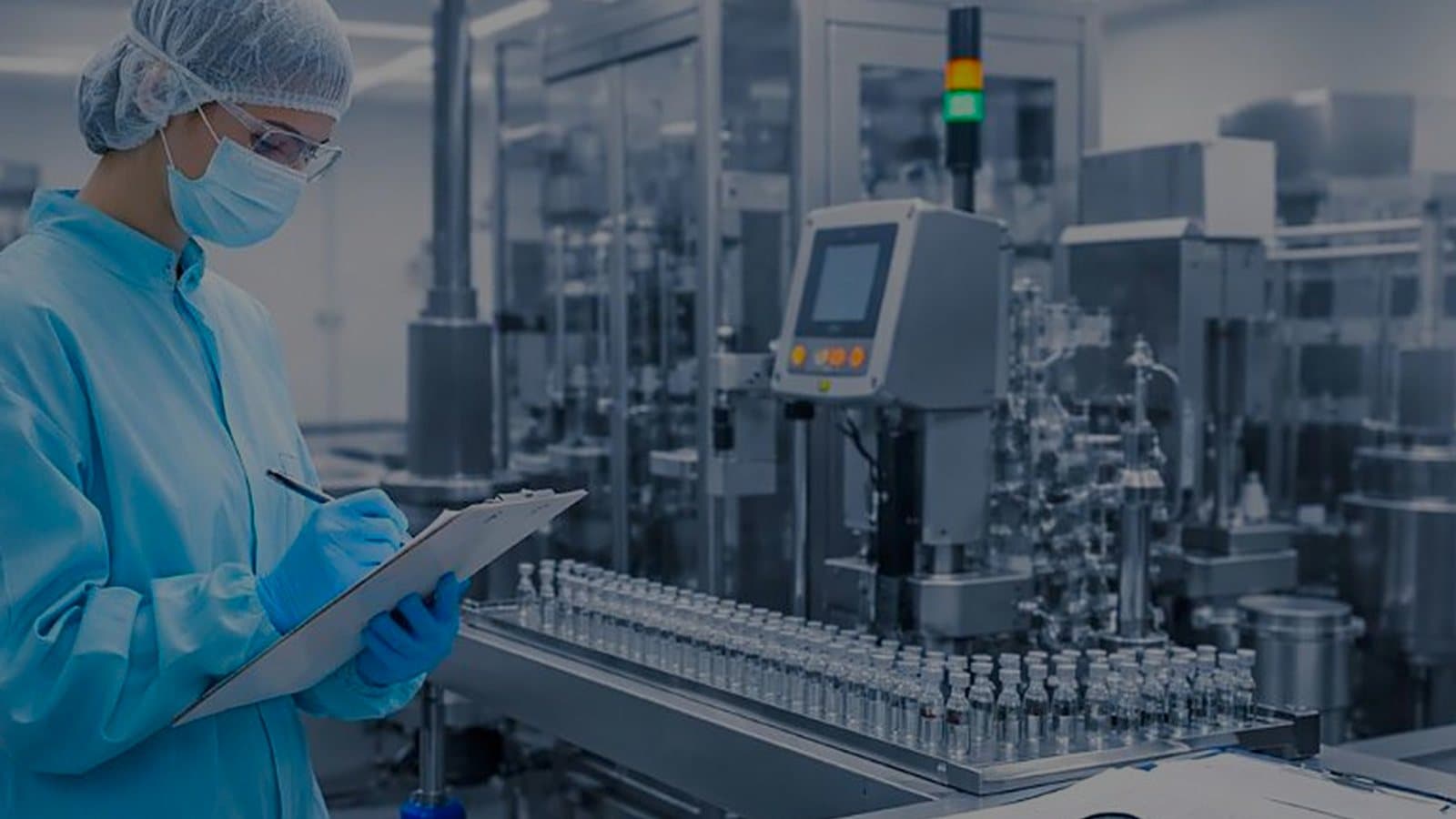
In industrial buildings, waterproofing is often underestimated until a failure occurs. Water ingress is not just a maintenance headache; it can permanently damage precision equipment, disrupt GMP-sensitive operations, and degrade structural integrity over time.
At Humiley Group INC, we treat waterproofing not as a finishing detail, but as a critical strategy to ensure long-term performance and operational reliability.
1. Integration: Waterproofing Starts at Design
Most failures originate from treating waterproofing as an afterthought. Our approach ensures protection is "baked into" the architectural and structural design:
- Drainage-Oriented Design: Engineering roof slopes and water flow paths to prevent ponding and ensure rapid discharge.
- Precision Detailing: Focused design on critical interfaces such as joints, penetrations, and wall-to-floor transitions.
- Environmental Compatibility: Selecting membrane systems based on UV exposure, chemical resistance, and thermal movement.
2. Critical Risk Zones: Targeting Weak Points
Water typically enters a building through predictable vulnerabilities. We implement specialized control measures for:
- Roof Systems & Parapets: Ensuring seamless transitions between horizontal and vertical surfaces.
- Expansion & Construction Joints: Utilizing high-movement sealants and waterstops to accommodate structural shifts.
- Service Penetrations: Sealing pipe and cable entries to prevent localized leaks from becoming systemic issues.
- Substructures: Protecting foundations and basements from hydrostatic pressure and groundwater ingress.
3. Execution: The Discipline of Quality Control
Even the most expensive material will fail without technical discipline during installation. Our quality assurance includes:
- Substrate Preparation: Strict standards for surface cleanliness, moisture content, and smoothness before application.
- Application Supervision: On-site monitoring to verify correct layering, overlapping, and membrane thickness.
- Testing & Verification: Conducting mandatory flood tests or electronic leak detection before final handover.
Industries