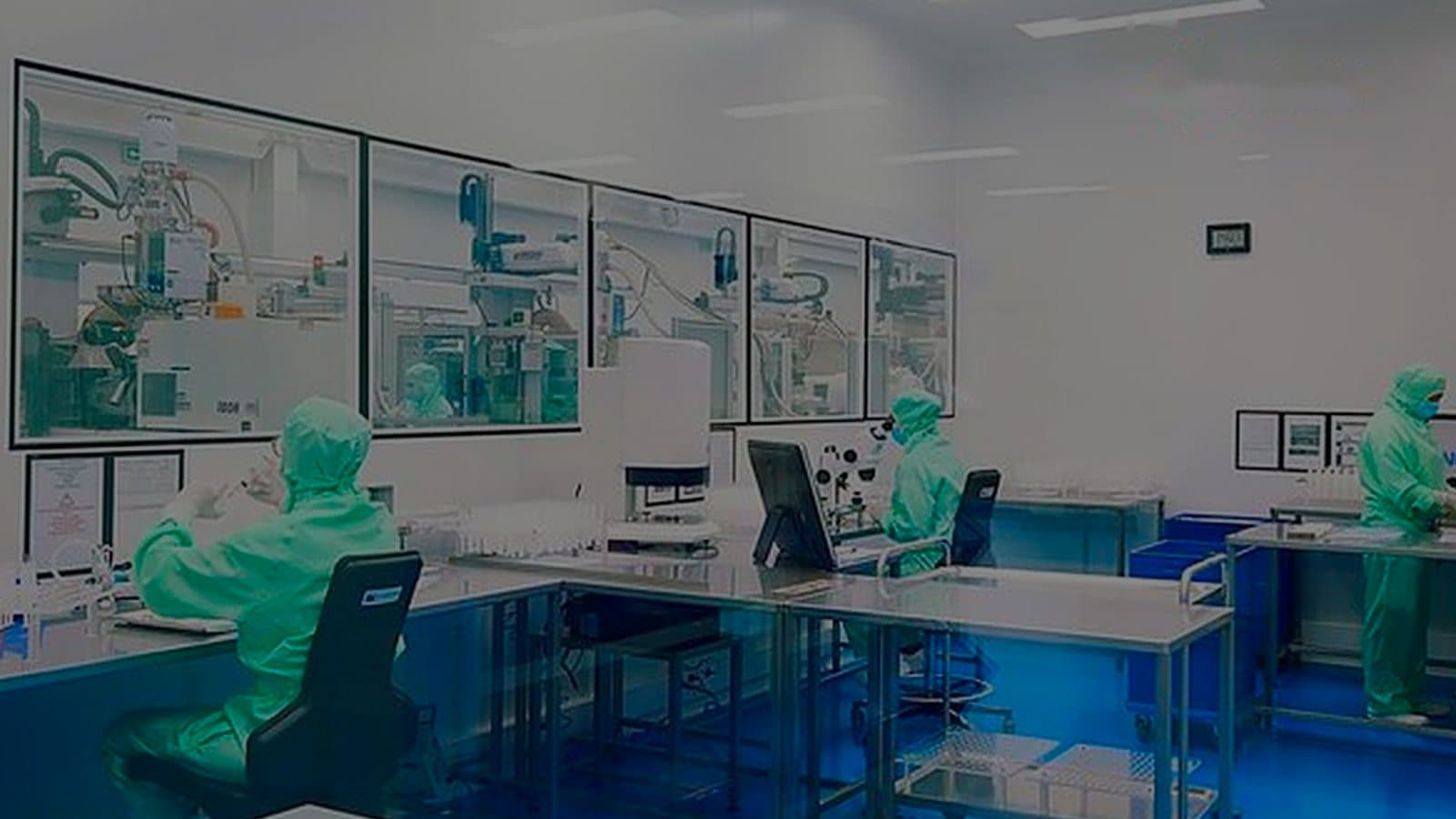
"Change the HEPA filters every three years" is in many maintenance plans. EU GMP Annex 1 never asked for it.
What Annex 1 (2022) does say is that requalification should include, at a minimum, an integrity test of the final filters, with a maximum interval of 6 months for Grade A and B areas and 12 months for Grade C and D. ISO 14644-3 gives the method for the installed leak test (B.7). Neither puts an age on the filter.
A calendar rule goes wrong in both directions. It throws away filters that scan clean and still carry their airflow. And it leaves in place a two-year-old filter with a leak at the gel seal, because the date says it is fine.
What does end a filter's life is a leak on the installed scan that cannot be repaired within the limits of the site procedure. Or pressure drop at the manufacturer's recommended final value, or a room that no longer gets its design airflow with the fan at full speed. Or damage, or wetting.
Dust loading alone is not among them. On glass-fibre media it raises the pressure drop, and particle efficiency does not fall as the filter loads.
Industries