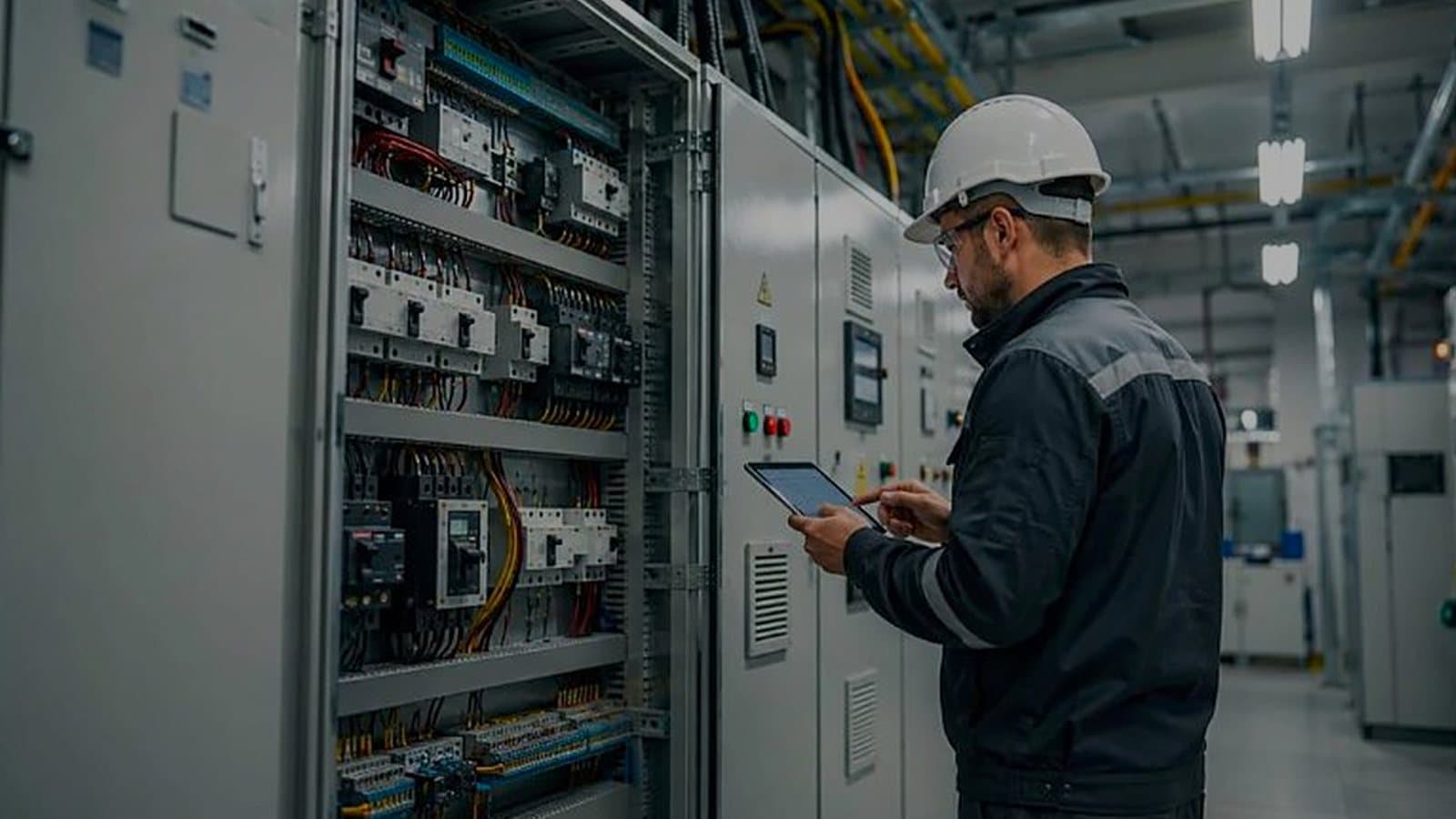
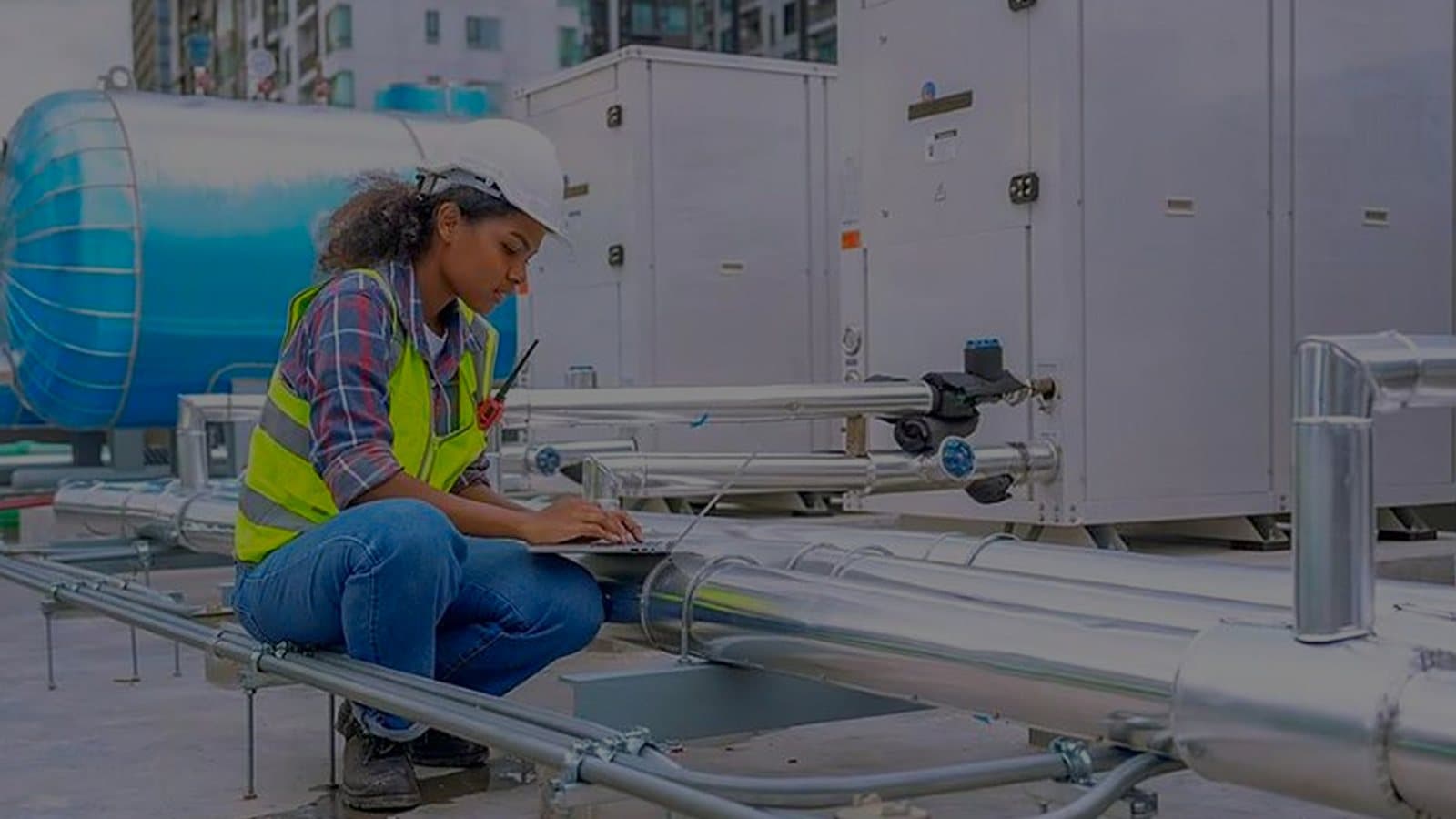
A qualification test that fails on an unsealed penetration becomes a deviation; the same finding in commissioning is a punch item. Commission and balance first, close the punch items that affect the tests, then execute IQ and OQ on systems expected to pass, turning over one AHU and its rooms at a time.
EC fan drives without a DC choke typically draw 65–75% THDi; with one, 35–42%. Humiley's design target is 5% or less at the point of common coupling; IEEE 519-2022 limits TDD by short-circuit ratio. In a fan wall, identical units add up, so request harmonic data and a harmonic study at design stage.
At 21 °C, 45% RH needs supply air near an 8.6 °C dew point; 55% RH needs about 11.6 °C. That 3 K is paid at the coil and in reheat every hour. Write each RH band from product data with its reason, and keep tight-band rooms off the AHU that serves the rest.
A wrong fan duty found at FAT means a revised test sheet; found on a live site it can mean a crane and a delayed OQ. A useful hygienic AHU FAT checks dimensions, casing leakage, fan duty, filter seals, control I/O and material records. Every AeroSano unit is FAT-tested and witnessed, with its equipment file compiled during production.
EN 1886 class L1 limits casing leakage to 0.15 l/s per m² at −400 Pa; L2 allows about three times more. As filters load and casing pressure rises, leakage grows, room offsets shrink and pressure control hunts. Specify L1, filter bypass F9 and a witnessed leakage test at FAT.
An AHU qualified in Ho Chi Minh City's dry season has not met its design weather. On a wet afternoon, holding 21 °C and 45% RH needs air off the coil at a dew point of about 8.5 °C or a little below. Size fresh-air coils on peak dew point and keep humidity monitoring running through the first wet season.
In pharmaceutical facility design, if the HVAC system is the "lungs," then the Zoning and Pressure Cascade strategy is the "immune system." It creates invisible but effective barriers that prevent microbial ingress and strictly control…
In semiconductor manufacturing, HVAC systems are not just utilities — they are critical infrastructure supporting ultra-clean air, process stability, and yield protection.
In the past, contamination control was often managed in silos: HVAC handled ventilation, Architecture handled walls/ceilings/floors, and QA handled cleaning procedures. But under the updated EU GMP Annex 1, that approach is no longer…
The engineering of a retrofit is rarely the hard part. Keeping the rest of the plant in its validated state while the work happens is where these projects are won or lost.