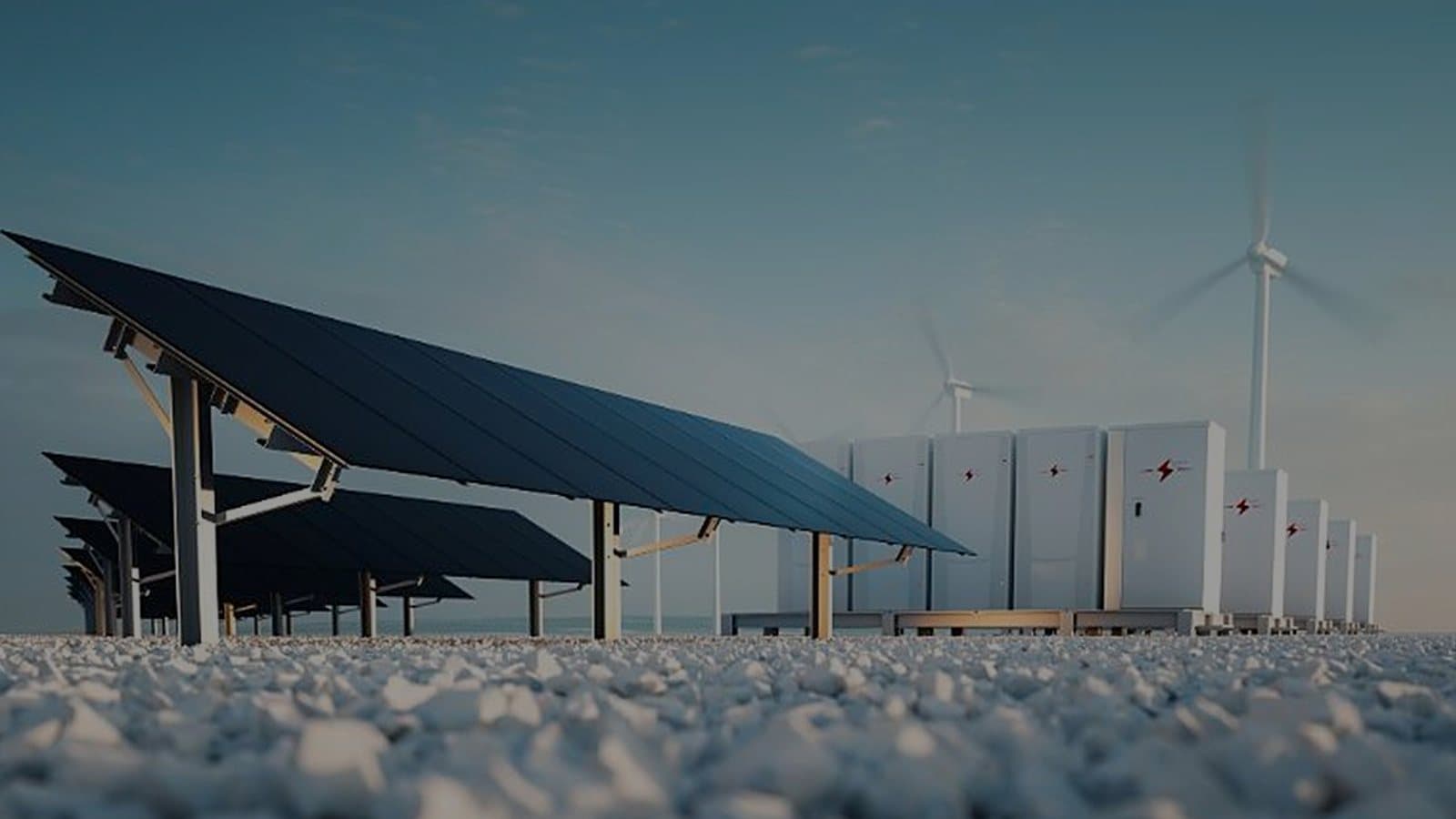
In Battery Energy Storage Systems (BESS), Lithium-ion batteries face one ultimate adversary: Temperature. Excessive heat drastically shortens battery lifespan (SOH). More critically, uncontrolled heat in a single cell can trigger Thermal…
Renewable energy suffers from a fatal flaw: Intermittency. The sun only shines during the day, and the wind is unpredictable. Relying on just one source often requires a massive, costly Battery Energy Storage System (BESS) to bridge the…
Solar energy isn’t just about reducing electricity costs. It’s also a more environmentally friendly choice. Every solar system installed means less dependence on electricity generated from fossil fuels. Fewer emissions. Less noise. Less…
Variable Speed Fans & Demand-Controlled Ventilation: Smarter HVAC for Decarbonization. In the renewable energy transition, HVAC systems are evolving from constant operation to intelligent, energy-optimized performance. Two key…
Energy Recovery as a Standard Feature: Decarbonization Driving HVAC Innovation. As the renewable energy sector accelerates toward net-zero goals, HVAC design is shifting from energy consumption to energy conservation and recovery. Energy…
Smart Integration with Renewable Power Sources: Decarbonization Driving HVAC Innovation. As renewable energy becomes a dominant power source, HVAC systems are evolving beyond efficiency – toward intelligent integration with clean…
Low-GWP Refrigerants & Sustainable Materials: Decarbonization Driving HVAC Innovation. As the renewable energy sector pushes toward net zero, HVAC sustainability is no longer only about reducing energy use – it also means addressing the…
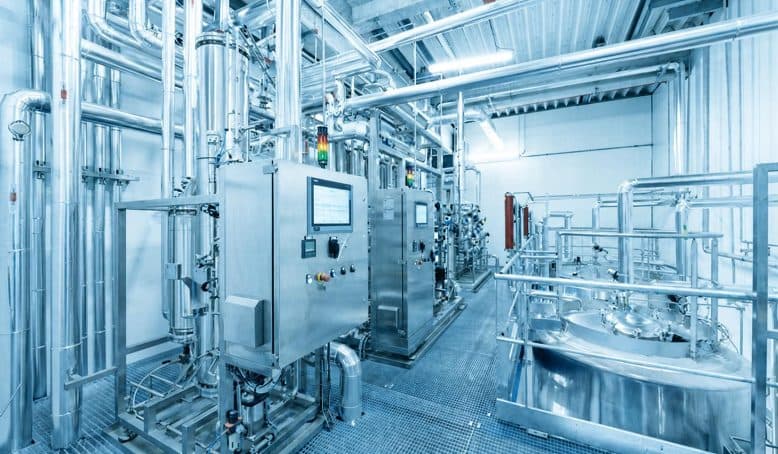
Sterile production depends on water and steam that meet pharmacopoeial limits at the point of use, not at the generator. Most clean utility failures are distribution failures.
Both separate the operator from open product. The choice is not about which is better — it is about intervention frequency, batch pattern and what the background environment will cost to run for a decade.
A smoke study is not a formality filmed before handover. It is the only test that shows whether air behaves the way the design assumed, and it routinely finds things a particle count never will.
In a battery dry room the desiccant plant is usually sized by leakage, not by process. Building the envelope tighter is almost always cheaper than buying the capacity to dry the air that gets in.
The engineering of a retrofit is rarely the hard part. Keeping the rest of the plant in its validated state while the work happens is where these projects are won or lost.