Each kilogram of electrolytic hydrogen needs at least 9 kg of water, and at 75% RO recovery that means 12 kg of feed. Pharma water habits such as sampling plans, trended conductivity and buffer storage transfer well. A WFI-style loop may not: build to the electrolyser supplier's feedwater specification.
A dry-room door opening onto the plant room swaps about 2 m³ of air at 20 g/kg, bringing in roughly 48 g of water. A −40 °C room supplied at −50 °C needs about 730 m³ of supply air to absorb it. Airlocks with their own dry supply, interlocked doors and counted door-open time follow from that sum.
A single dew-point reading in the return duct says little about a dry room. Qualification should map dew point at working height, time the recovery after an airlock door opening, leak-test the envelope and use sensors calibrated at the dry end, with limits set from what the cell chemistry tolerates.
On the first pull-down a dry room's dew point falls quickly and then flattens above the target. Seal and leak-check first, run the room empty, and plot dew point at supply and return. A level line points to a leak; a line still creeping down points to wet materials. People and doors come last.
A lead-acid UPS battery that tests at 80% of rated capacity is due for replacement under the IEEE recommended practices. Size the battery for the autonomy needed at end of life, with an ageing factor of 1.25, and keep the battery room cool: a common rule of thumb halves design life for every 8 to 10 °C of extra heat.
Between −40 °C and −60 °C dew point the saturation vapour pressure over ice falls from about 12.8 Pa to about 1.1 Pa, roughly twelve-fold. The same leak or operator therefore weighs about twelve times more in the moisture balance, and the envelope, the airlocks and the dehumidifier all have to change.
LiPF6 electrolyte reacts with moisture to form hydrofluoric acid, which attacks electrodes and costs cell capacity, so the most moisture-sensitive Li-ion steps run at about 11 ppm of water vapor, a −60 °C dew point. Reaching it takes staged equipment (pre-cooling, a desiccant rotor and post-cooling), specified as a dew point measured where the process runs.
Many investors mistakenly view a Battery Energy Storage System (BESS) as merely a giant "backup generator" or a passive power bank. This view overlooks its true potential. In reality, BESS is a powerful financial and engineering…
In Battery Energy Storage Systems (BESS), Lithium-ion batteries face one ultimate adversary: Temperature. Excessive heat drastically shortens battery lifespan (SOH). More critically, uncontrolled heat in a single cell can trigger Thermal…
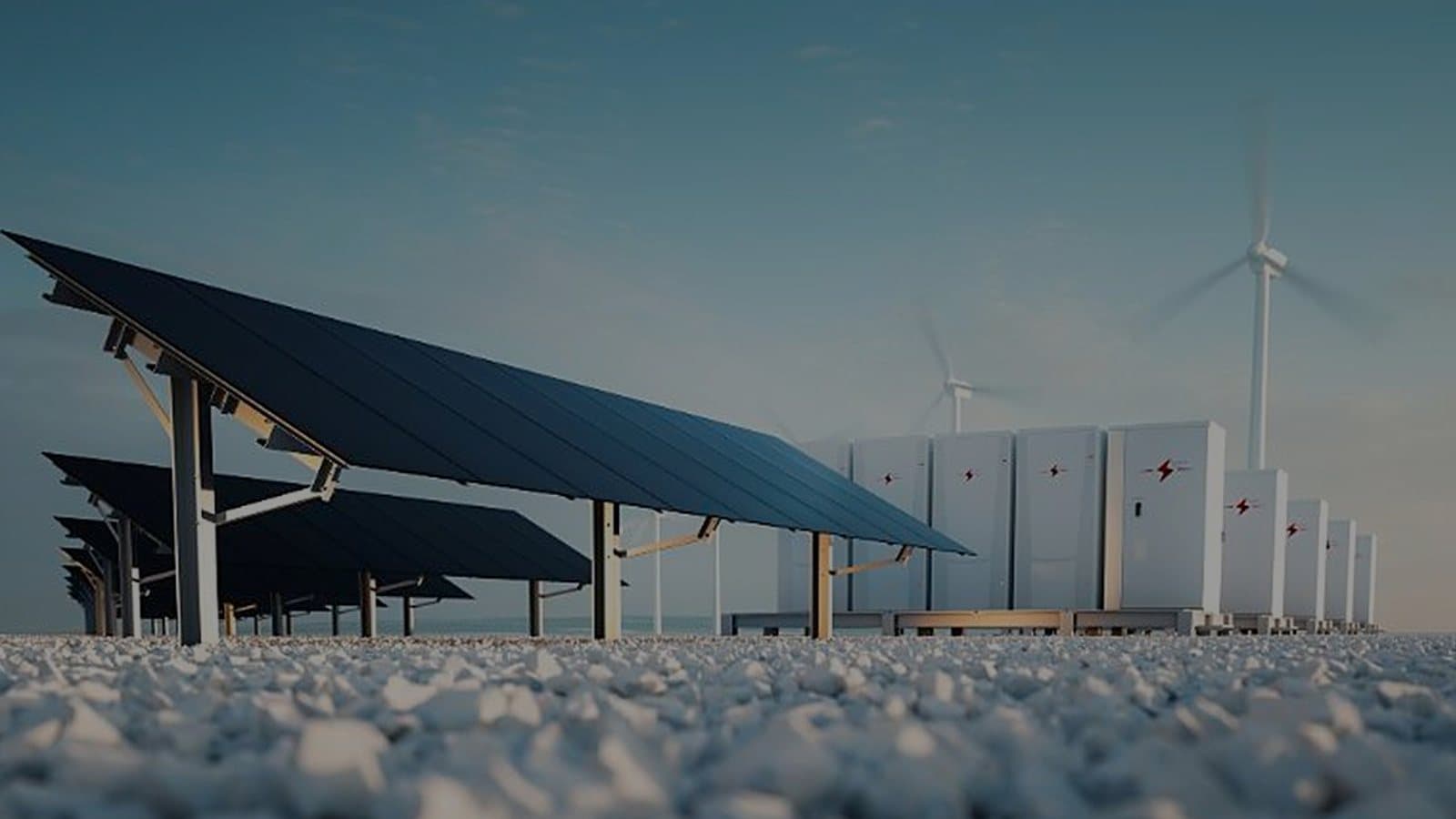
Renewable energy suffers from a fatal flaw: Intermittency. The sun only shines during the day, and the wind is unpredictable. Relying on just one source often requires a massive, costly Battery Energy Storage System (BESS) to bridge the…
Solar energy isn’t just about reducing electricity costs. It’s also a more environmentally friendly choice. Every solar system installed means less dependence on electricity generated from fossil fuels. Fewer emissions. Less noise. Less…