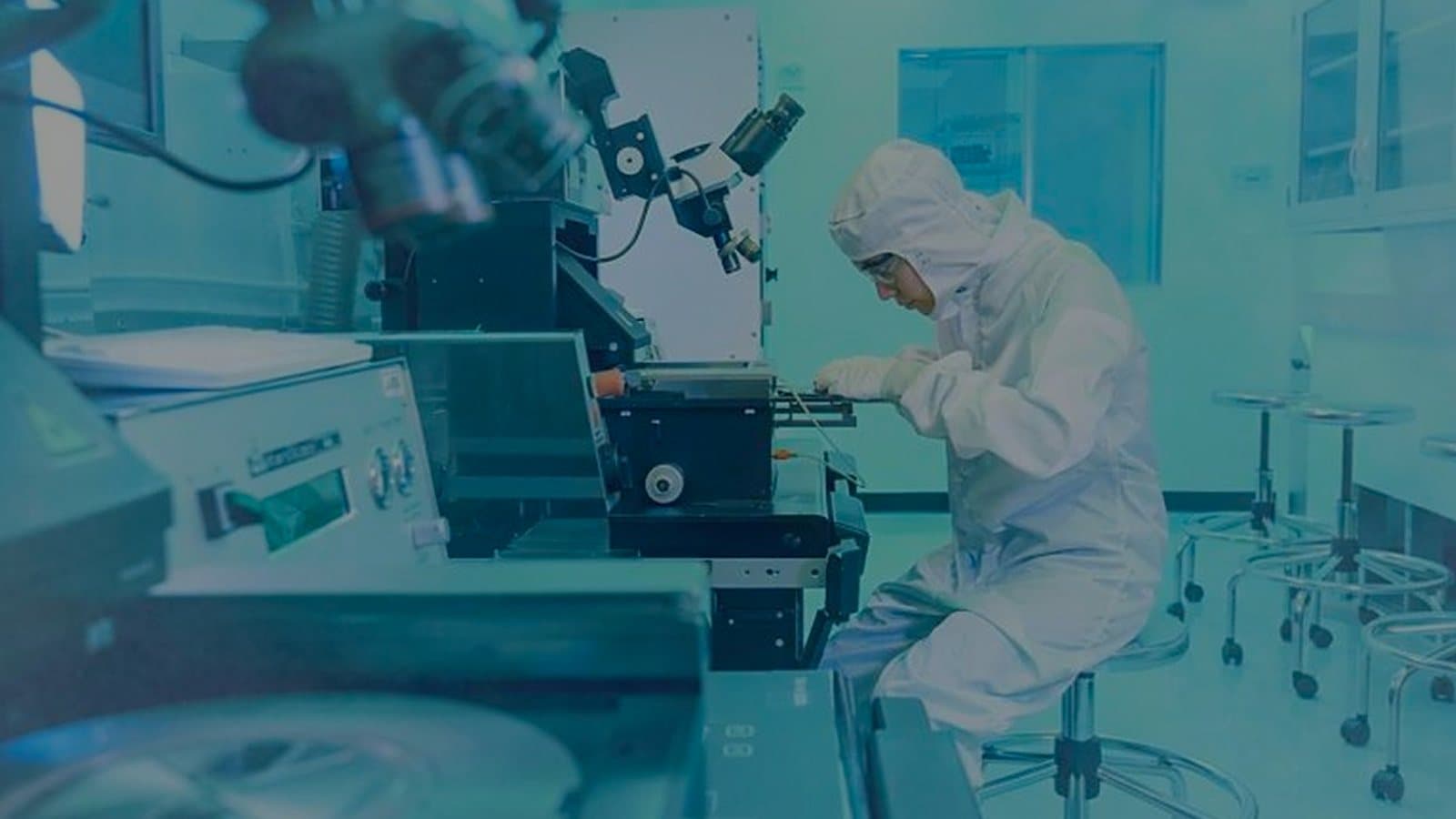
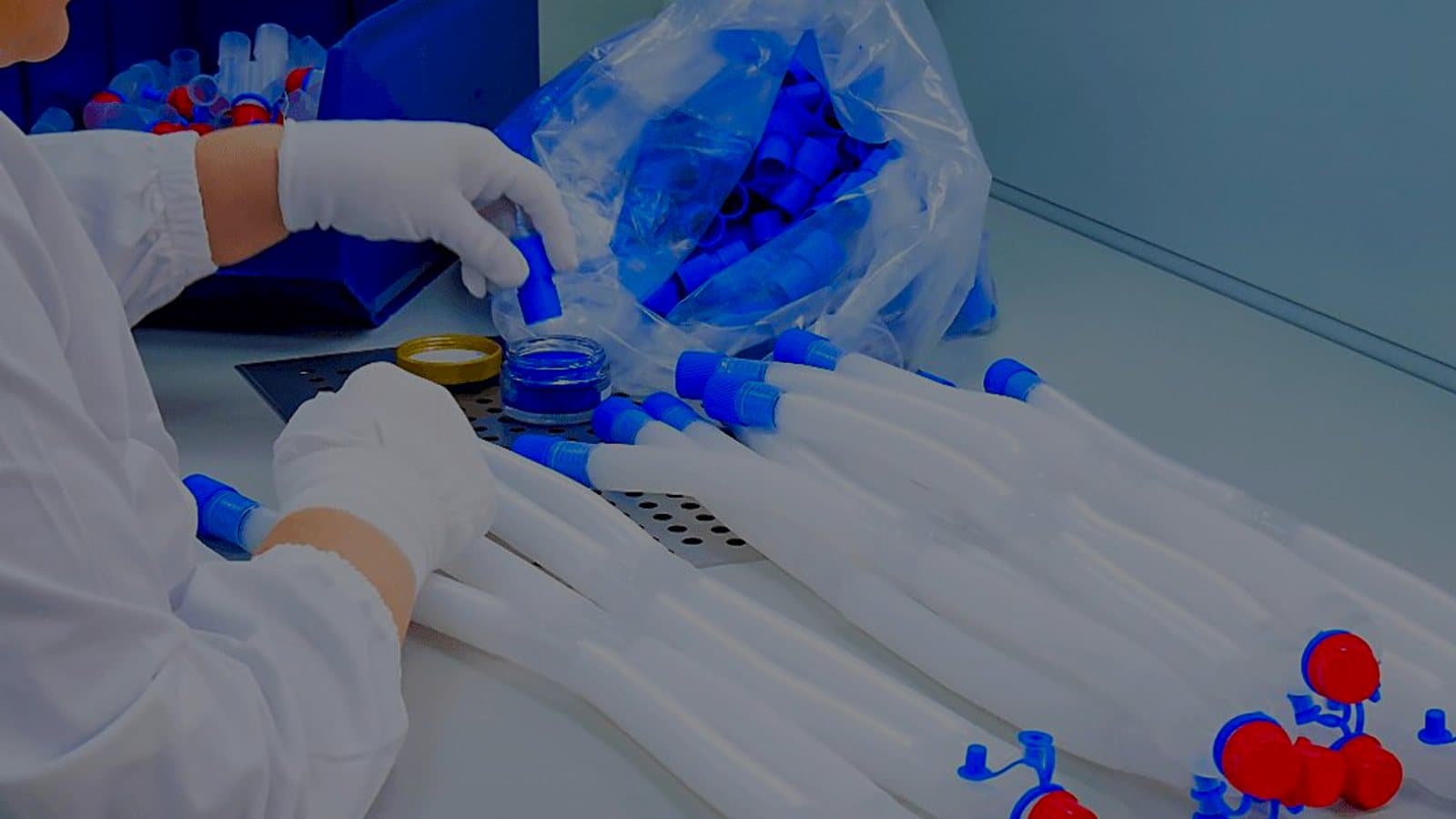
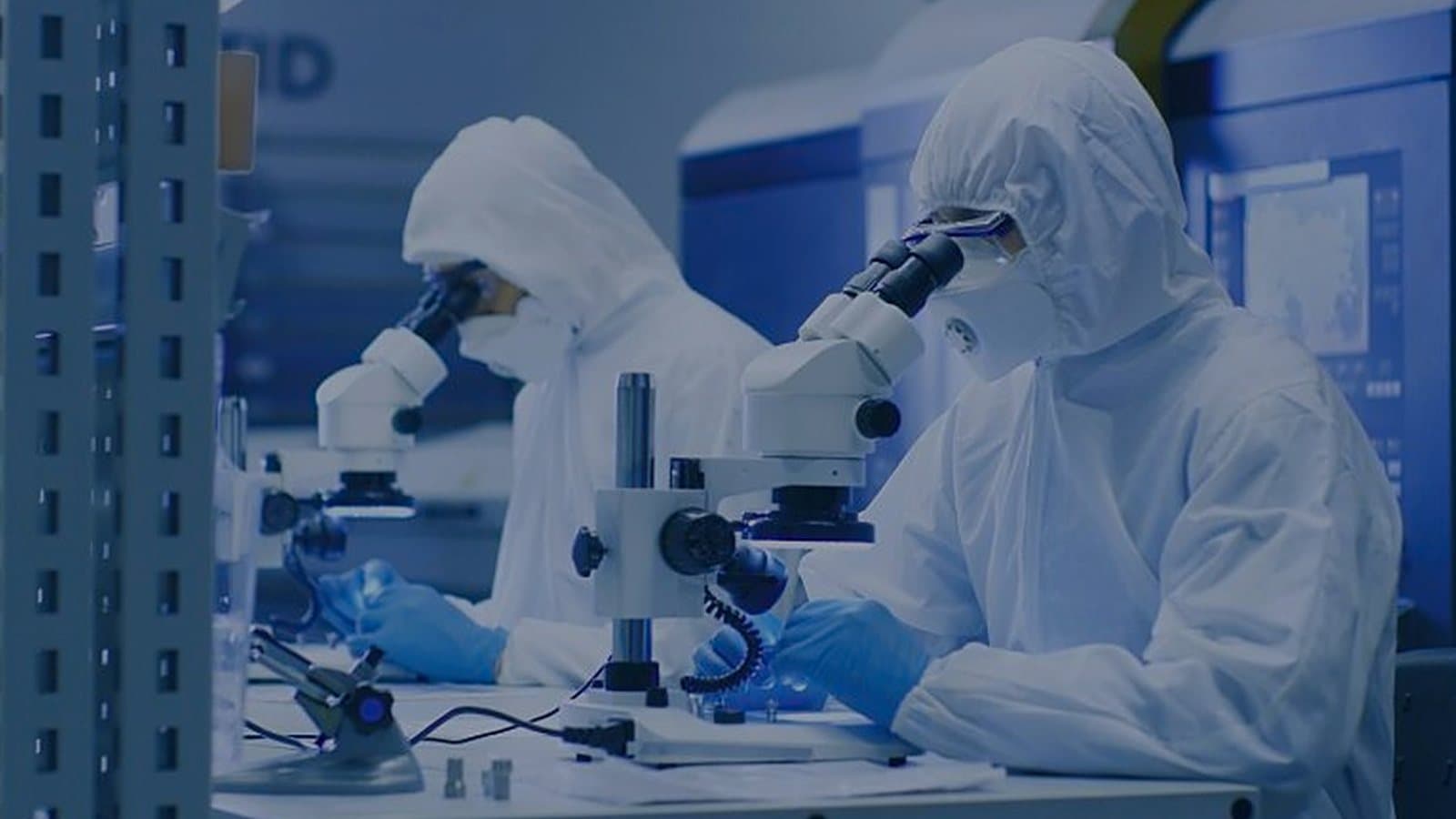
To a semiconductor engineer, Grade C at ISO 8 in operation looks loose. EU GMP Annex 1 adds microbial limits: 100 CFU/m³ in air, 50 per settle plate over 4 hours, 25 per contact plate. Rooms wiped with sporicide need floors and joints a fab never had to clean, and a CCS that ties the choices together.
A tablet press's dust extraction pulls air out of the compression room; leave it off the room data sheet and the corridor pressure shifts whenever it runs. Granulation adds moisture and sometimes solvent, coating adds heat and its own air system. List every load before sizing supply air.
Scripted CSV evidences every step of a BMS pressure alarm test. FDA's Computer Software Assurance guidance keeps scripted tests for high-risk checks such as setpoint, delay and the audit record, then adds unscripted testing of failure modes, recorded by what was tried and what happened.
EN 1822 classes the filter, not the medium. PTFE membrane usually reaches a HEPA class at lower pressure drop and handles better than brittle glass fibre, but its surface catches oil aerosol from leak tests. Agree the test aerosol with the filter maker before specifying PTFE for pharma rooms.
Each kilogram of electrolytic hydrogen needs at least 9 kg of water, and at 75% RO recovery that means 12 kg of feed. Pharma water habits such as sampling plans, trended conductivity and buffer storage transfer well. A WFI-style loop may not: build to the electrolyser supplier's feedwater specification.
In a controlled ambient pharma warehouse the roof is the largest heat source and the top rack sits under it. A reflective surface, continuous insulation, high-level return air and carefully used destratification fans reduce what the active cooling must remove, and a cheaper roof shows up as a bigger chiller.
ICH Q10 names knowledge management as one of two enablers of the pharmaceutical quality system: a systematic approach to acquiring, analysing, storing and disseminating information about products, processes and components. In a technology transfer, that means handing over the reason behind each parameter, along with the batch record.
Purified Water passes conductivity and TOC in real time, but the microbial count takes at least five days. The usual action level is 100 CFU/mL, and 10 CFU per 100 mL for Water for Injections. Alert levels belong lower, set from the loop's own data, with samples taken the way production draws water.
The ASEAN Common Technical Dossier, ACTD, organizes a registration dossier in four parts: administrative data and product information, quality, nonclinical and clinical. The ICH CTD has five modules because it collects all summaries in Module 2. The quality science is the same; the arrangement and numbering differ.
The US chapter USP <800> holds a hazardous-drug compounding room at 0.01 to 0.03 inches of water column negative to adjacent areas, about 2.5 to 7.5 Pa. The band has an upper limit as well as a lower one, so the transmitter, the exhaust control and the tightness of the room all matter more than in a 10 to 15 Pa cascade.
Analytical methods are often the last work package in a product transfer. The WHO guideline (TRS 1044, Annex 4) says analytical procedures, including those for cleaning residue samples where applicable, should be implemented at the testing laboratory before process validation samples are tested. That takes qualified laboratory equipment and trained analysts ahead of the first batch.
ICH Q10 defines the pharmaceutical quality system as the management system to direct and control a pharmaceutical company with regard to quality. It has four elements (monitoring, CAPA, change management, management review) and two enablers (knowledge management, quality risk management). SOPs are how the system is written down.