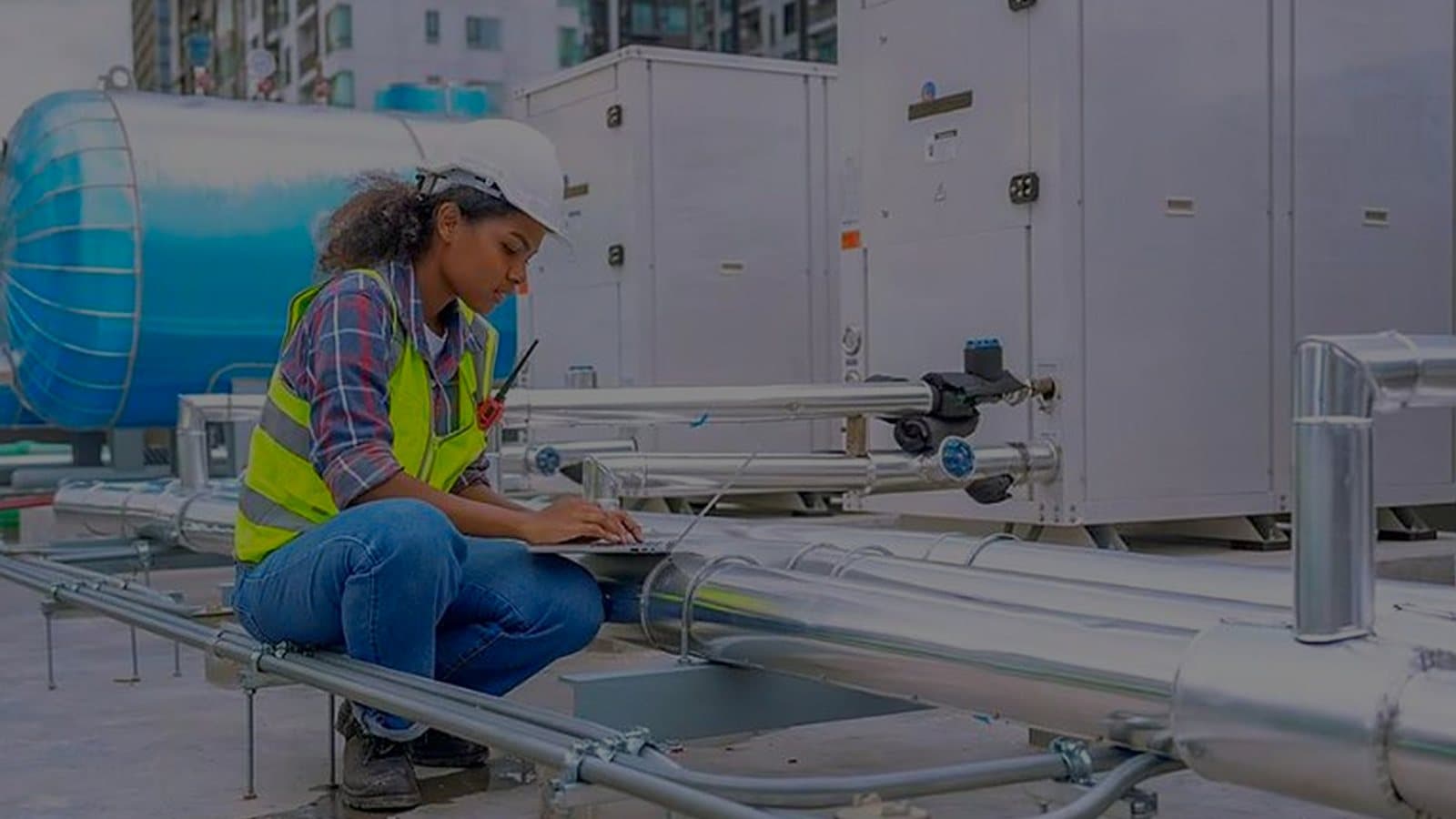
In a tropical plant the wet zone of a fresh-air AHU runs from the cooling coil and drain pan to the reheat coil. Specify stainless there, 316 where chlorine agents are used. Fan, pre-filter and mixing sections can be coated galvanised if cut edges are sealed. Ask for weld and passivation records.
Neither an EN 10204 3.1 nor a 3.2 helps if the heat number is cut off a pipe before it is transferred. A 3.1 is validated by the manufacturer's independent inspector; a 3.2 adds a purchaser's or regulatory inspector at extra cost and lead time. Ask for 3.2 where the URS or a part's design code requires it.
In a GMP air handling unit, a wheel carries some exhaust into the supply by design, and a purge sector only reduces it. Run-around coils keep the streams apart at lower recovery. Plate exchangers leak in the direction the fan positions set, so mark and measure the pressure on each side before and at commissioning.
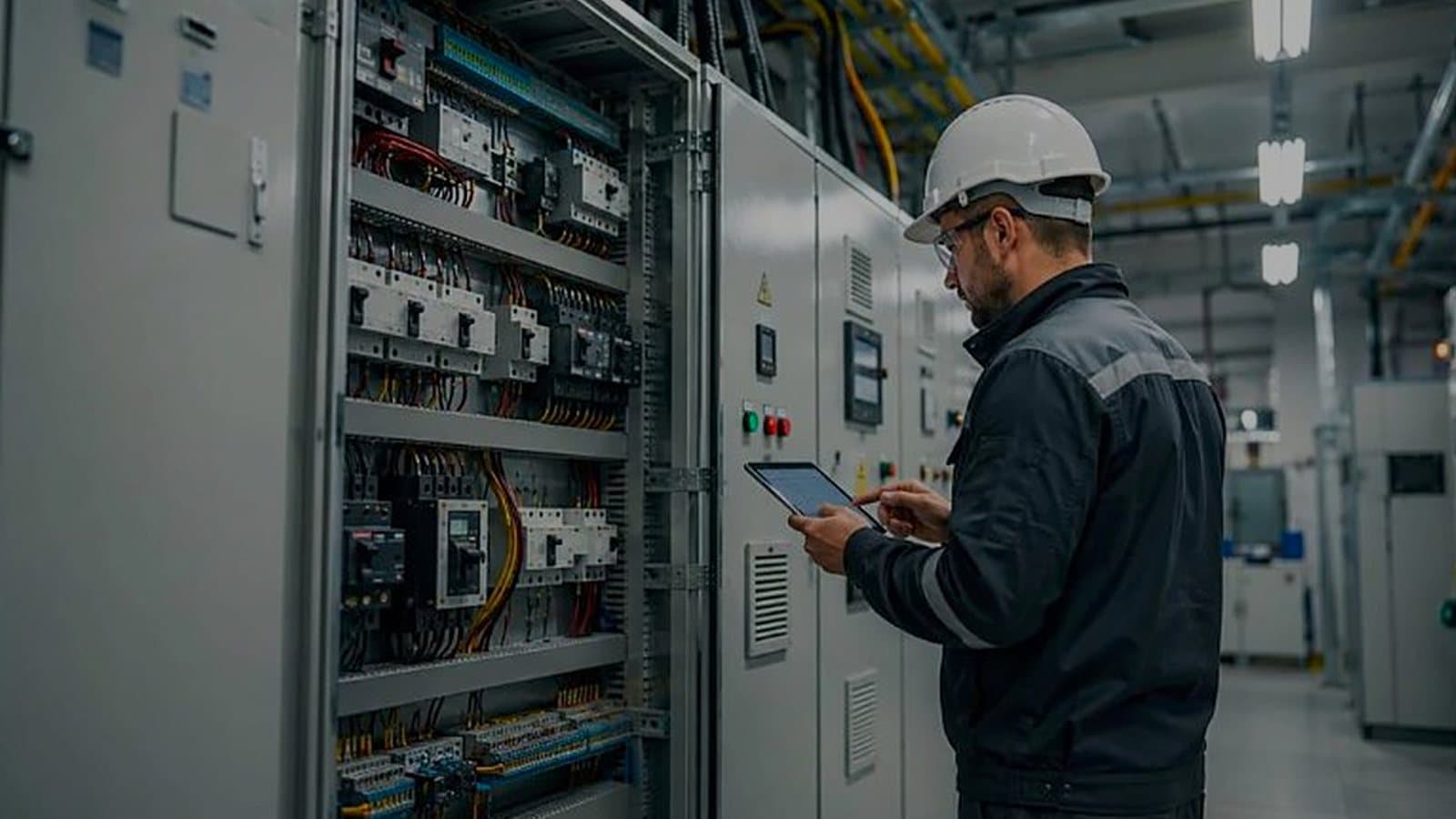
IEC 61439-2 defines four forms of internal separation in a switchboard. Form 4 puts each feeder in its own compartment, so a failed AHU starter can be isolated while the other AHUs keep running; working beside live sections still follows site safety rules. Form 1 or 2 may force a section shutdown.
EN 1886 air leakage classes are measured on a closed casing. When an AHU ships in sections, the class depends on joints made on site. Check the gasket runs in one piece, draw the fixings up in passes, seal the floor seam under the drain pans, and smoke-test the suction-side seam with the fans running.
Clean AHU cooling coils from the leaving face with low-pressure water or steam and an approved, fully rinsed detergent, after checking the drain. Take the frequency from the coil's pressure drop trend against a commissioning baseline, and record the method, detergent batch, before and after readings and photos of both faces.
On an equipment-only AHU purchase, write the EN 1886 casing leakage class and F9 filter bypass into the order, witness the leakage test on the built unit at FAT, check the selection against the project airflow schedule, and require the equipment file compiled during production so IQ starts complete.
Standing water under a cooling coil is the classic growth source in an AHU. A hygienic unit adds a drain pan that empties completely, smooth closed inner surfaces, full-size access doors, filter bypass class F9 to EN 1886, removable parts and a complete equipment file. Write each into the specification as a FAT check.
A new coil and fan inside an old AHU casing keep every gap and hygiene defect of that casing. Pressure-test it against the EN 1886 class a new unit would meet and read the result by section: below plant-room pressure, gaps pull unfiltered air in, and worn filter frames let air bypass the filters.
Steam that has not absorbed before it meets a filter, fan or sensor leaves them wet. Take the absorption distance from the maker at the unit's real air speed and load, keep wet-sensitive parts beyond it, fit a trapped stainless drain pan and access, and add a downstream high-limit sensor.
Warranty terms usually decide which chiller and AHU work goes to the OEM, and the split is rarely revisited. Keep compressor, refrigerant and firmware work with the OEM, bring filters, cleaning, trending and first response in-house, and file every service report in the site CMMS under change control.
AHU casing classes such as L1 leakage or TB2 thermal bridging usually come from a standard EN 1886 model box. The unit on site has more doors, joints and penetrations. At FAT, check them on the real unit, especially filter frame gaskets: bypass around the fine-filter frames loads the terminal HEPA filters faster.