A probe with a 3 cm opening moving at 5 cm/s sits over any point for 0.6 seconds; triple the speed and it is 0.2. Frame leaks give thin, diluted plumes that a fast pass misses. Calculate the scan rate for the probe and instrument, overlap the strokes, and scan the perimeter separately and slowly.
With a ring main unit, a faulted section of a 22 kV loop is isolated by switching instead of waiting for the repair. Inside: ring load-break switches, a transformer feeder and interlocked earthing switches, with a sealed utility metering cubicle alongside. The plant stays dark until the switching is done, so plan the cleanroom restart.
Cooling coils pay for dehumidification in chiller kWh; desiccant rotors mostly in reactivation heat, often above 100 °C for silica gel rotors. Compare them by listing the heat the site already has and its temperature. Very low dew points need desiccant regardless, and rotor outlet air still needs cooling.
A peak-load spreadsheet sizes equipment but cannot see the humid part-load hours, around 5,000 in a southern Viet Nam wet season, where cleanrooms overcool and reheat. An hourly model runs all 8,760 hours against the site weather file and the real control sequence, and gives an energy target its baseline.
At LOD 300 a BIM element has size, shape and location; LOD 350 adds its interfaces with other systems: connections, supports and clearances. Clash detection before LOD 350 finds ducts in beams but misses hangers, flanges and maintenance access, which then surface on site.
Between 29 °C / 26 °C dew point outdoor air and 20 °C / 45% RH exhaust the enthalpy gap is about 47 kJ/kg. A 70% sensible exchanger recovers about 6.5 kJ/kg, 14%, and its supply side runs below the dew point, so it needs a drain. Most of the tropical load is moisture.
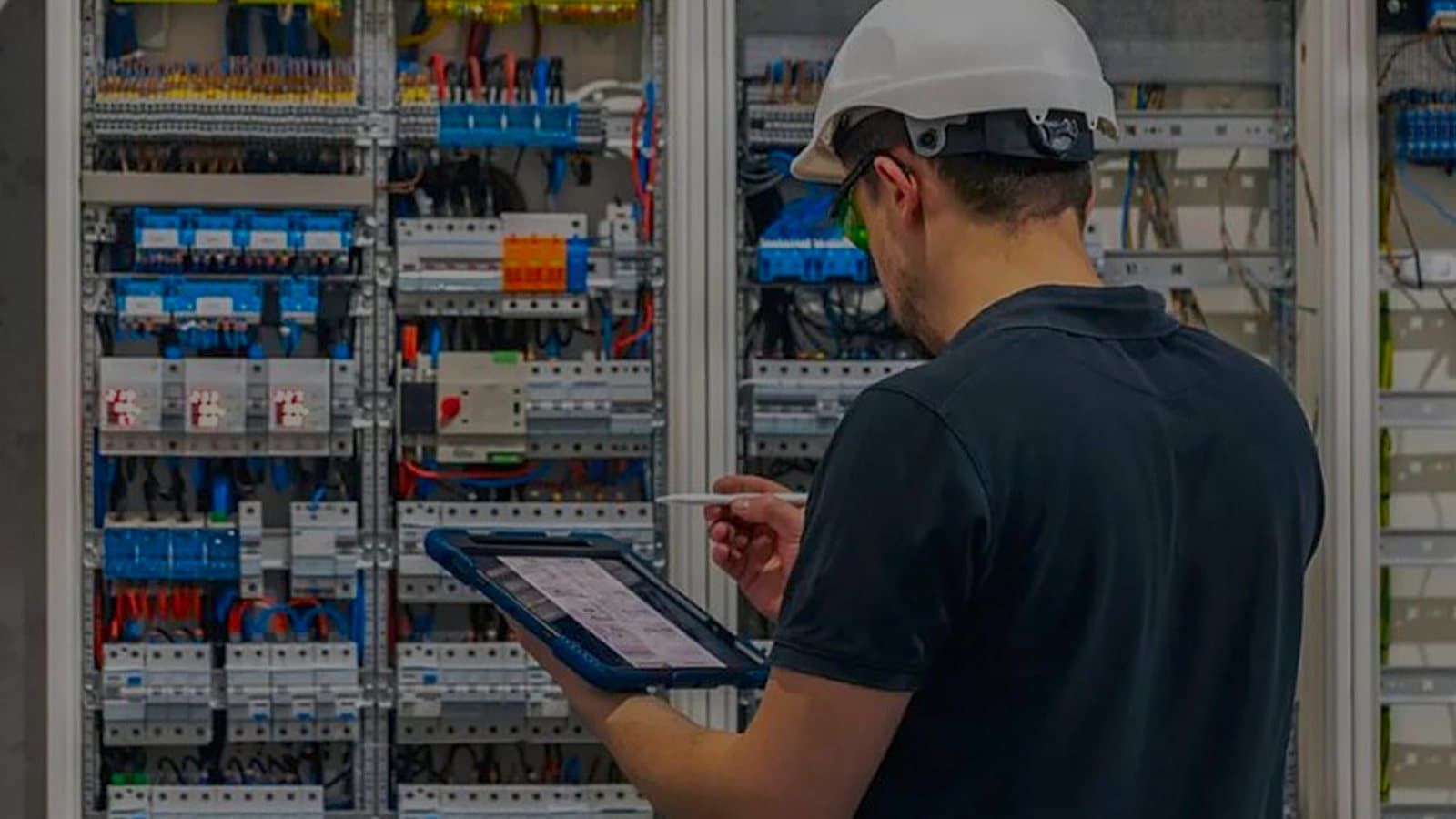
Nearly all electrical power used in a cleanroom becomes room heat. Autoclave door faces, depyrogenation tunnel skin losses, hot loops in the ceiling void, panels installed in the room and FFU motors are rarely on a load template. Ask the process team for connected loads and surface temperatures early.
Direct-on-line fans started together can ask a standby generator for six or more times their running current. Start fans through drives, restart in blocks a few seconds apart with controls on UPS and chillers last, and size the generator for its largest load step under ISO 8528-5.
EEMUA 191 and ISA-18.2 treat about one alarm per 10 minutes per operator as manageable. A month of EMS alarm log, split by shift and sorted by tag, shows the busiest and the standing alarms. Rationalise those first, and turn alarms with no operator action into logged events.
Set a cleanroom pressure alarm delay from OQ recordings: log each door opening at one-second resolution, use the longest normal recovery plus margin as the floor and the risk assessment as the ceiling, record the justification per room pair, and add a separate door-held-open alarm.
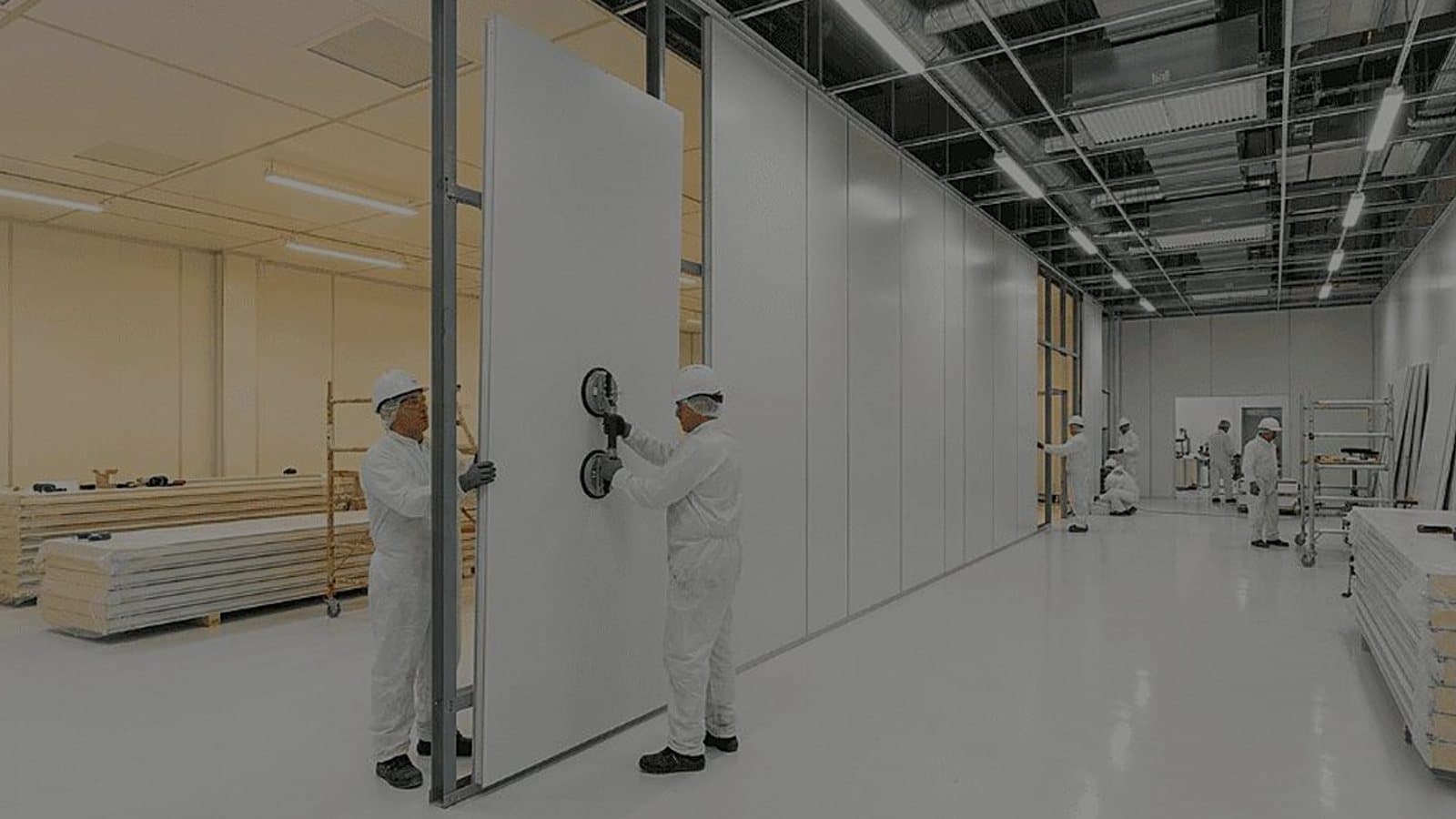
A walk-on cleanroom ceiling turns the void into a service floor, so dampers, sensors, cables and lighting are maintained without entering the room. It only helps filter changes if the HEPA housings are top-serviceable, and the void must be designed as a floor. Worth it for plant-heavy suites, rarely for small labs.
When a DX compressor cycles off and the fan keeps running, the water film left on the coil re-evaporates into the supply air, so net dehumidification falls short of the rating at part load. Cleanrooms cannot cycle their fans, so they need modulating or staged capacity, or chilled water.