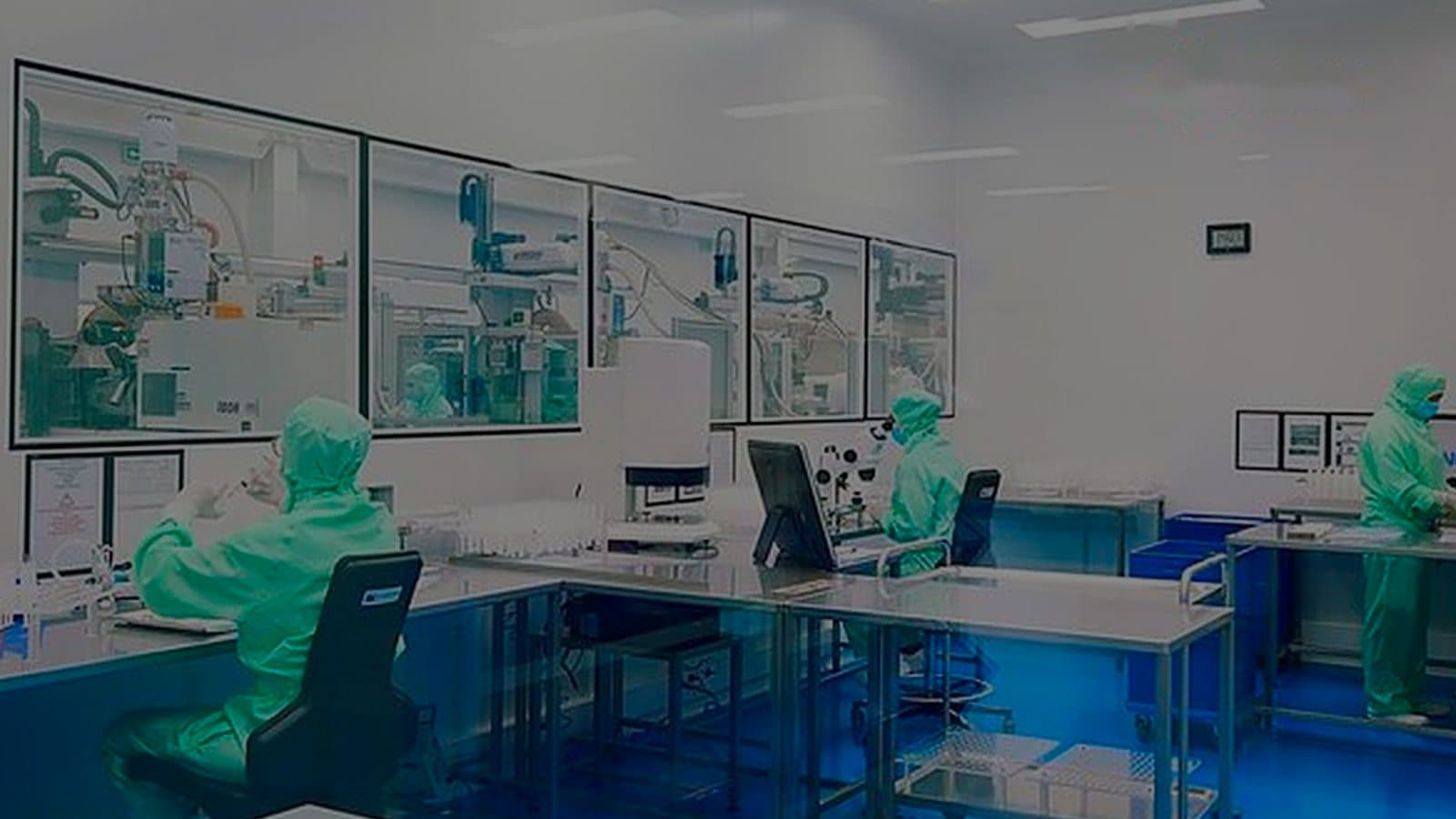
Cleanroom inspectors ask for the same HVAC evidence: qualification report, pressure trends and alarm log, HEPA leak tests, classification and recovery, smoke studies, as-builts and change controls. Index them per room, with document number, revision and location, so the back room answers in minutes.
A fume hood draws room air in at around 0.5 m/s. Cross-drafts from nearby diffusers, doors and walking routes above about half that pull vapour out past the sash, whatever the factory test said. Lay out supply, hoods and makeup air to that number, then prove it with an as-installed test.
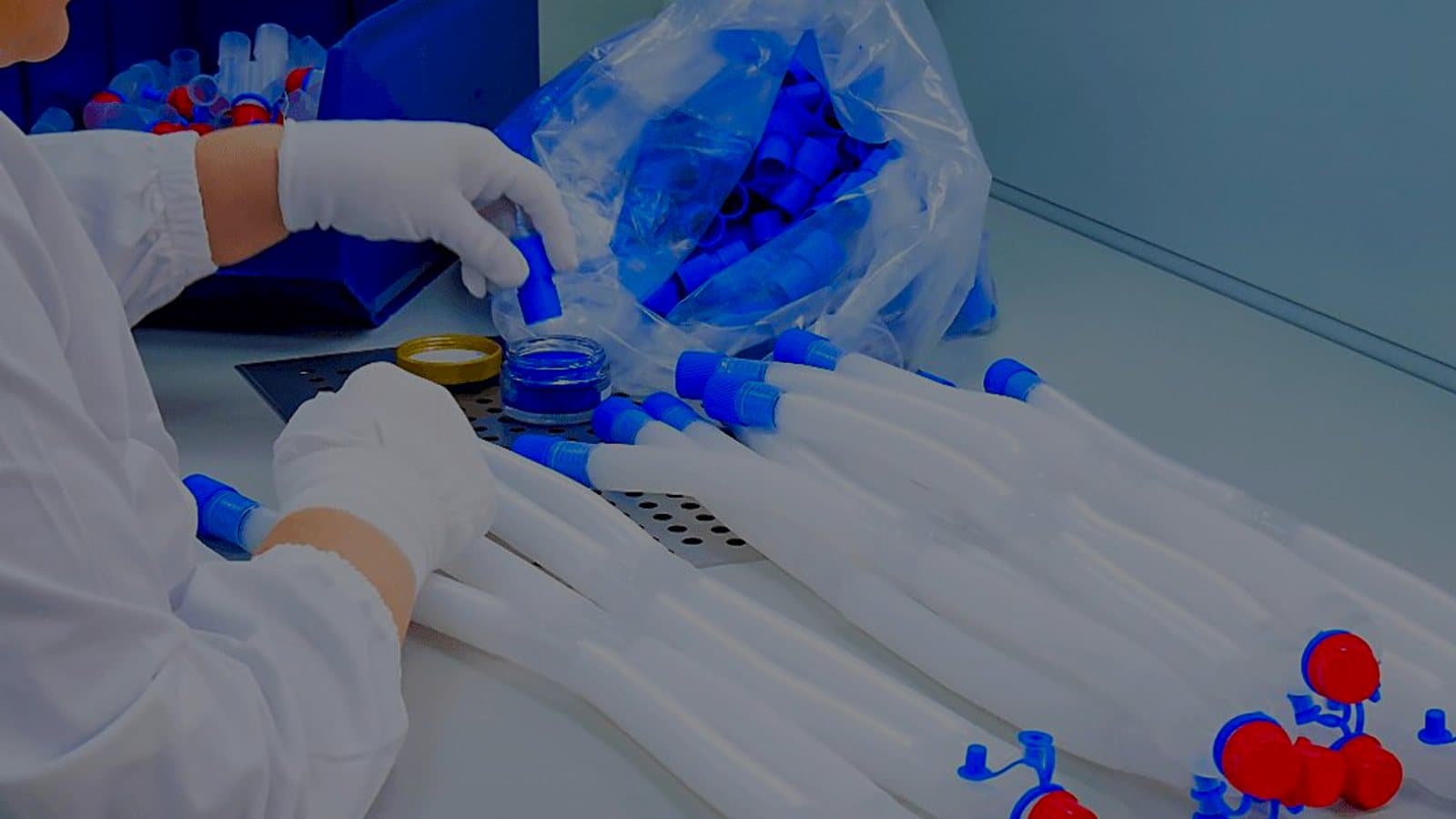
Annex 1 sets zero growth as the APS target, and any contaminated unit fails it. The environmental side of the investigation starts from viable monitoring, with HVAC and EMS trends as support, so review trends before the fill, confirm logging and clock sync, and agree which HVAC events count as interruptions.
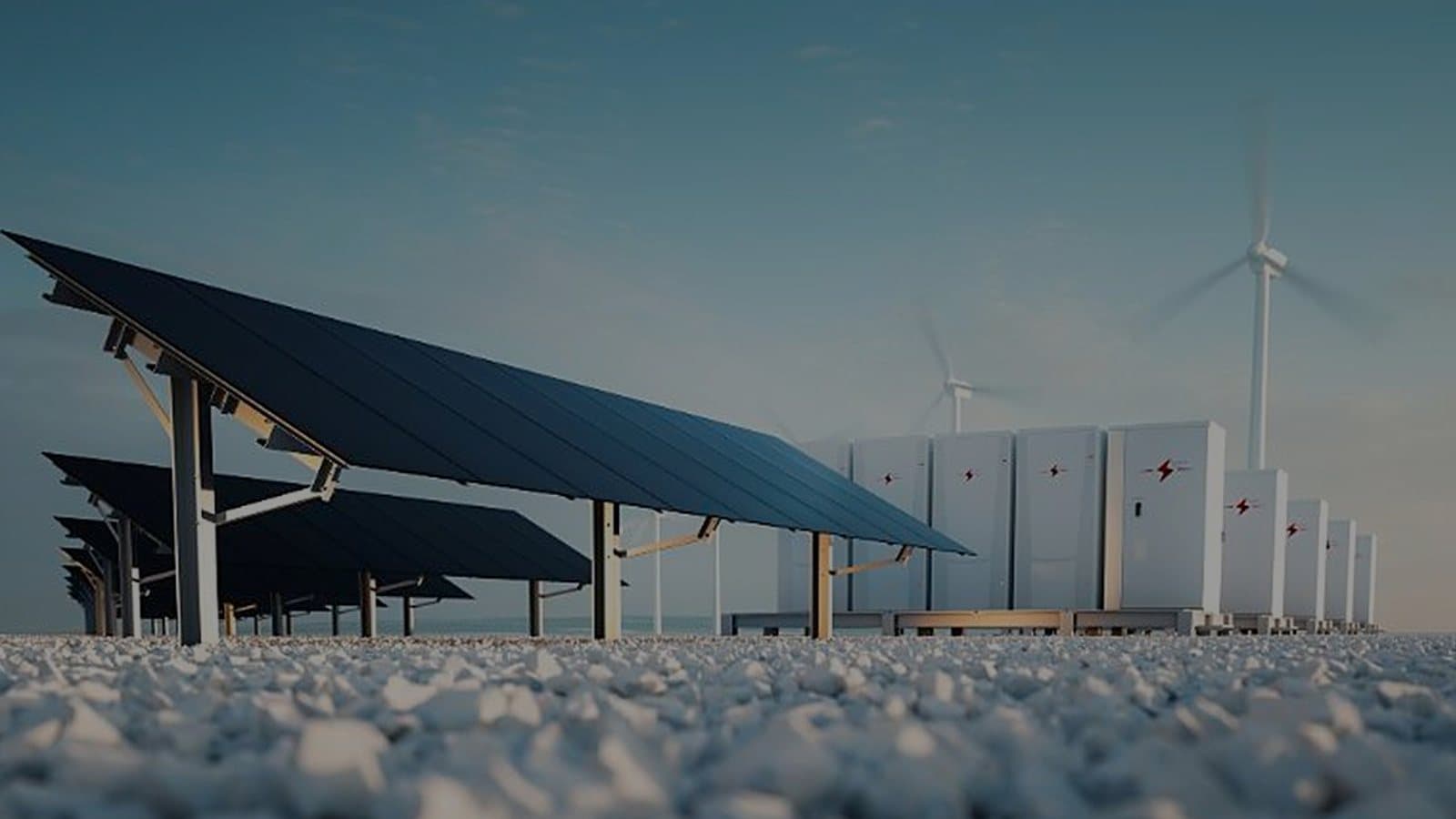
Hybrid renewable sites often size battery cooling from the weather and lump the other auxiliaries into one allowance. Resistive heat in the cells rises with the square of the current, and a 3% loss on a 1 MW discharge is 30 kW of heat. Control rooms, fire and gas safety and site services need their own lines.
Energy measures that change validated cleanroom conditions go through Annex 15 change control. Classification alone can mean 10 sample locations for a 50 m² room, at rest and in operation, before recovery tests and a CCS update. Price that next to the kWh, or design reduced modes in and qualify them once.
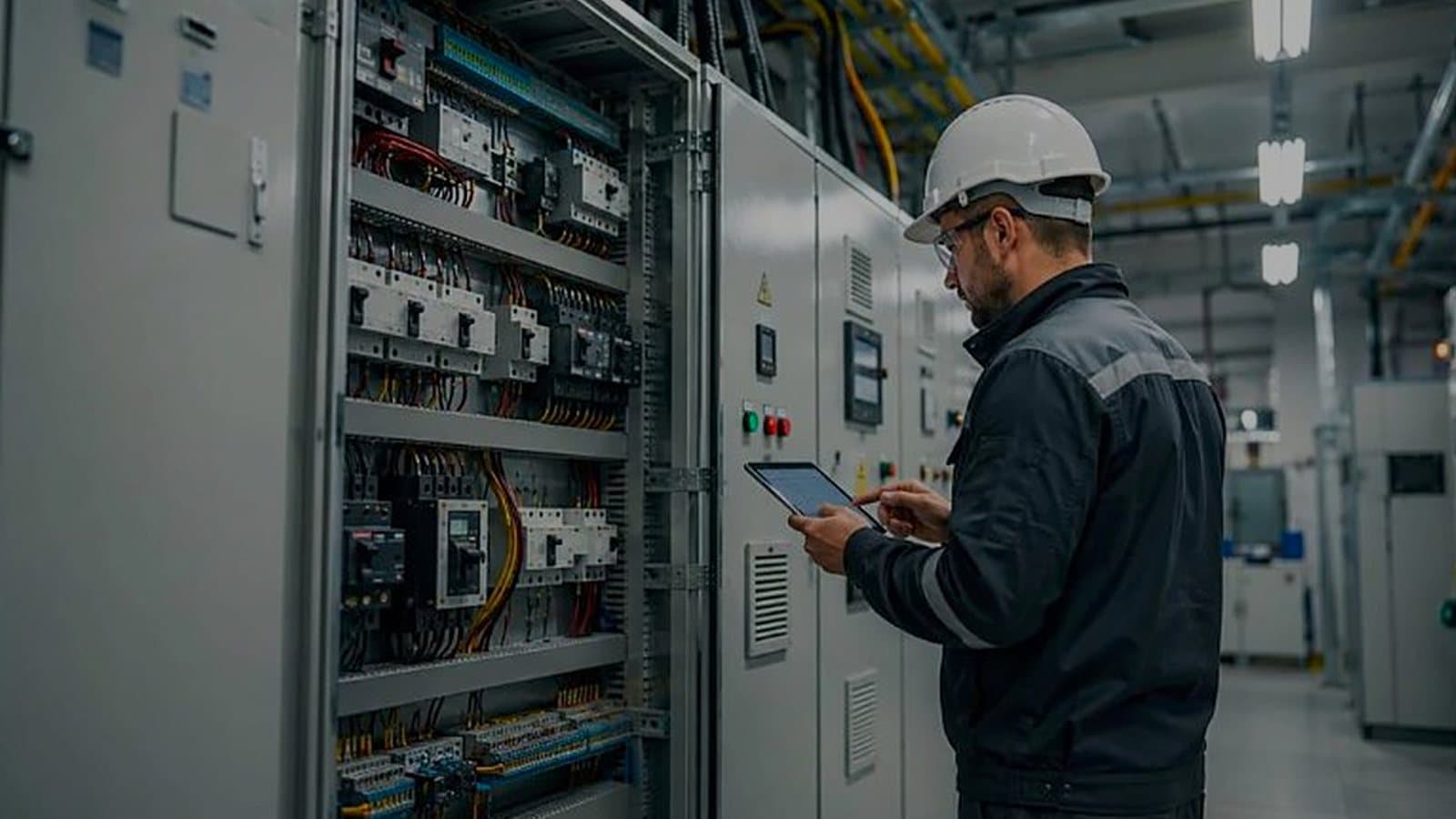
Voltage distortion is harmonic current multiplied by source impedance. An EC fan wall draws the same harmonic current on grid or generator, but a transformer is typically 4–6% impedance and a generator's subtransient reactance typically 12–20%. Model both sources and set a distortion limit for the busbar on standby power.
EU GMP Annex 1 (2022) lists significant modification to the HVAC system among the reasons to repeat an aseptic process simulation. Changes to airflow pattern, pressure regime or filter housings in aseptic areas should reach QA with an engineering note before the work, and the requalification should be planned with the shutdown.
Grade D sets the particle limit and little else. In an OSD compression room the product is the contaminant, handled with a pressure sink and local exhaust; a semi-solids room has little dust but heat and water from vessels and washdown. Fill in the process loads on the room data sheet before copying any airflow.
An HVAC energy saving is only as good as its baseline. Hold room limits, weather file, production and cleaning schedules and airflow justification identical in both models, and define the baseline system in writing, for example with ASHRAE 90.1 Appendix G, before quoting any percentage.
Annex 1 (2022) sets Grade A microbial limits as no growth and requires any growth to be investigated; FDA's 2004 aseptic guidance gives ISO 5 action levels of 1 CFU/m³ and 1 CFU per 4-hour settle plate. A plant filing in both markets can write one stricter rule and one investigation route.
Taking over HVAC maintenance in a running GMP plant starts with four outputs in the first 90 days: a walk-down of every asset behind a GMP parameter, a criticality ranking, the calibration status of every BMS and EMS input, and ownership of open HVAC deviations and CAPAs.
The revised EU GMP Annex 1 has applied since 25 August 2023, with point 8.123 following in 2024. A site still planning its gap assessment is years behind. Most findings land in the CCS, for example a pressure alarm delay set at commissioning that nobody can justify.