On chilled-water pipes in a humid plant room, insulation is sized to keep the outer surface above the ambient dew point. BS 5422 and ISO 12241 take water temperature, air temperature, dew point and cladding emissivity. The vapour barrier then has to run unbroken through every hanger, valve and flange.
Direct-on-line fans started together can ask a standby generator for six or more times their running current. Start fans through drives, restart in blocks a few seconds apart with controls on UPS and chillers last, and size the generator for its largest load step under ISO 8528-5.
When one location in a Grade C room recovers far slower than the rest, raising a 60 m³ room from 20 to 30 air changes adds 50% more air and may barely help. A smoke study usually shows short-circuiting to a return; moving or adding a low-level return is the cheaper fix.
"OK" on a FAT sheet records a judgement. "118 Pa, acceptance ≤ 150 Pa", with the gauge ID and calibration date, records a measurement that IQ, maintenance and an inspector can use years later, and shows when a pass was close. It is how the Excellence value looks on a test bench.
At 40 °C condensing, the Carnot COP rises from 7.95 at 5 °C evaporating to 8.21 at 6 °C, about 3.3% per kelvin. Real chillers differ but follow the direction, so a GMP plant should not run every coil at the temperature only the fresh-air dehumidification coil needs.
316L caps carbon at 0.03% in plate (ASTM A240) and 0.035% in sanitary tube (A270), against 0.08% for 316. Low carbon limits chromium carbide beside the weld; heat tint from a poor purge and weak passivation are more common starting points for rouge and pitting in orbital-welded tube, so read the mill certificate against the product form.
EEMUA 191 and ISA-18.2 treat about one alarm per 10 minutes per operator as manageable. A month of EMS alarm log, split by shift and sorted by tag, shows the busiest and the standing alarms. Rationalise those first, and turn alarms with no operator action into logged events.
Set a cleanroom pressure alarm delay from OQ recordings: log each door opening at one-second resolution, use the longest normal recovery plus margin as the floor and the risk assessment as the ceiling, record the justification per room pair, and add a separate door-held-open alarm.
A low leaving dew point can come from a deeper coil with warmer water or a compact coil with colder water. The first costs fan pressure every running hour; the second costs chiller COP, about 3% per kelvin in an ideal cycle. The cheaper option depends on hours, tariff and how much of the plant shares the water.
EN 1822 classes the filter, not the medium. PTFE membrane usually reaches a HEPA class at lower pressure drop and handles better than brittle glass fibre, but its surface catches oil aerosol from leak tests. Agree the test aerosol with the filter maker before specifying PTFE for pharma rooms.
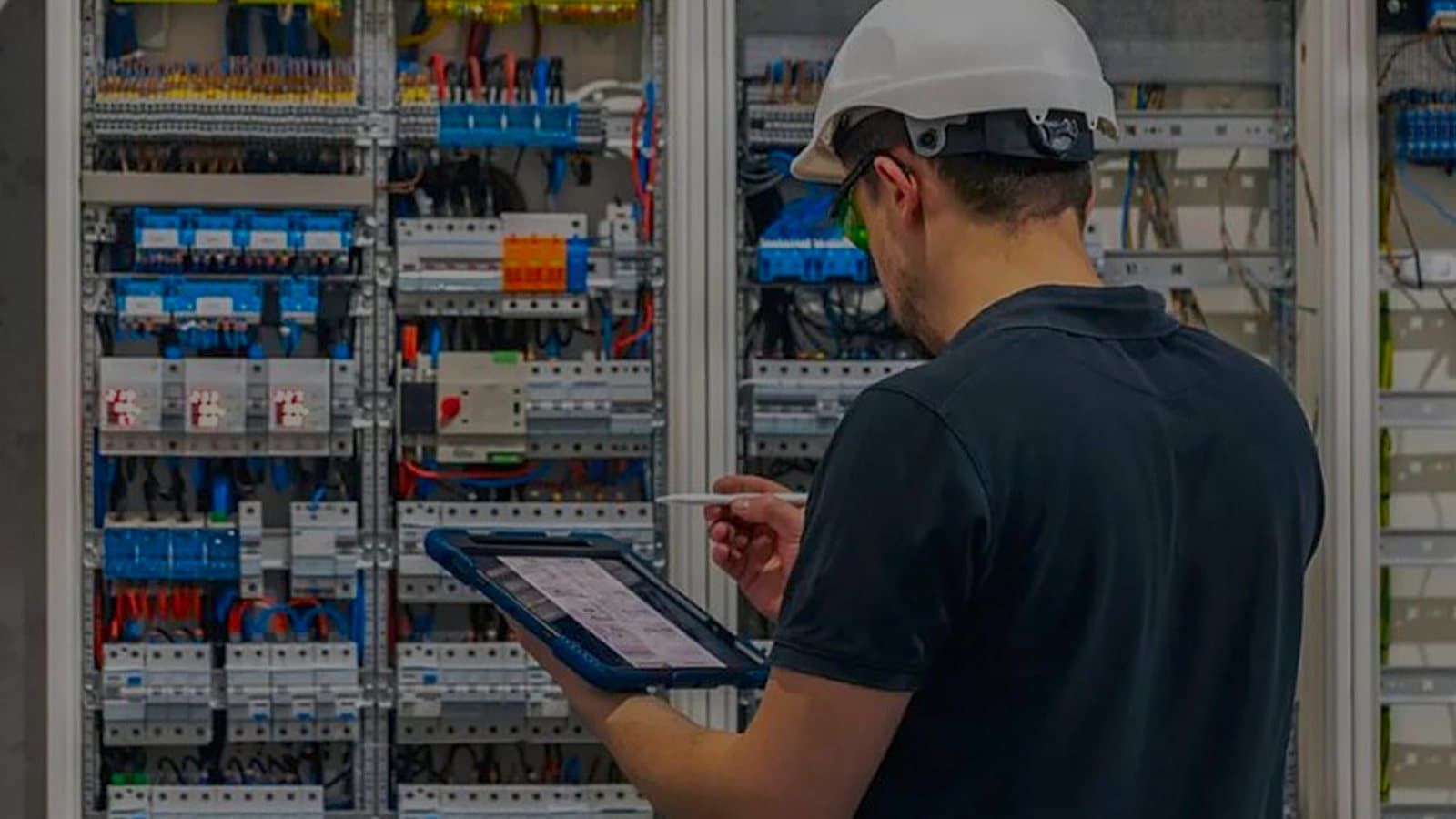
A capacitor bank and the supply inductance resonate near h = √(Ssc/Qc). With a 20 MVA fault level and 400 kvar in service, h = 7.07, right on a harmonic EC fan walls produce. The order moves as capacitor steps switch and drops on generator, so check every step before adding drives.
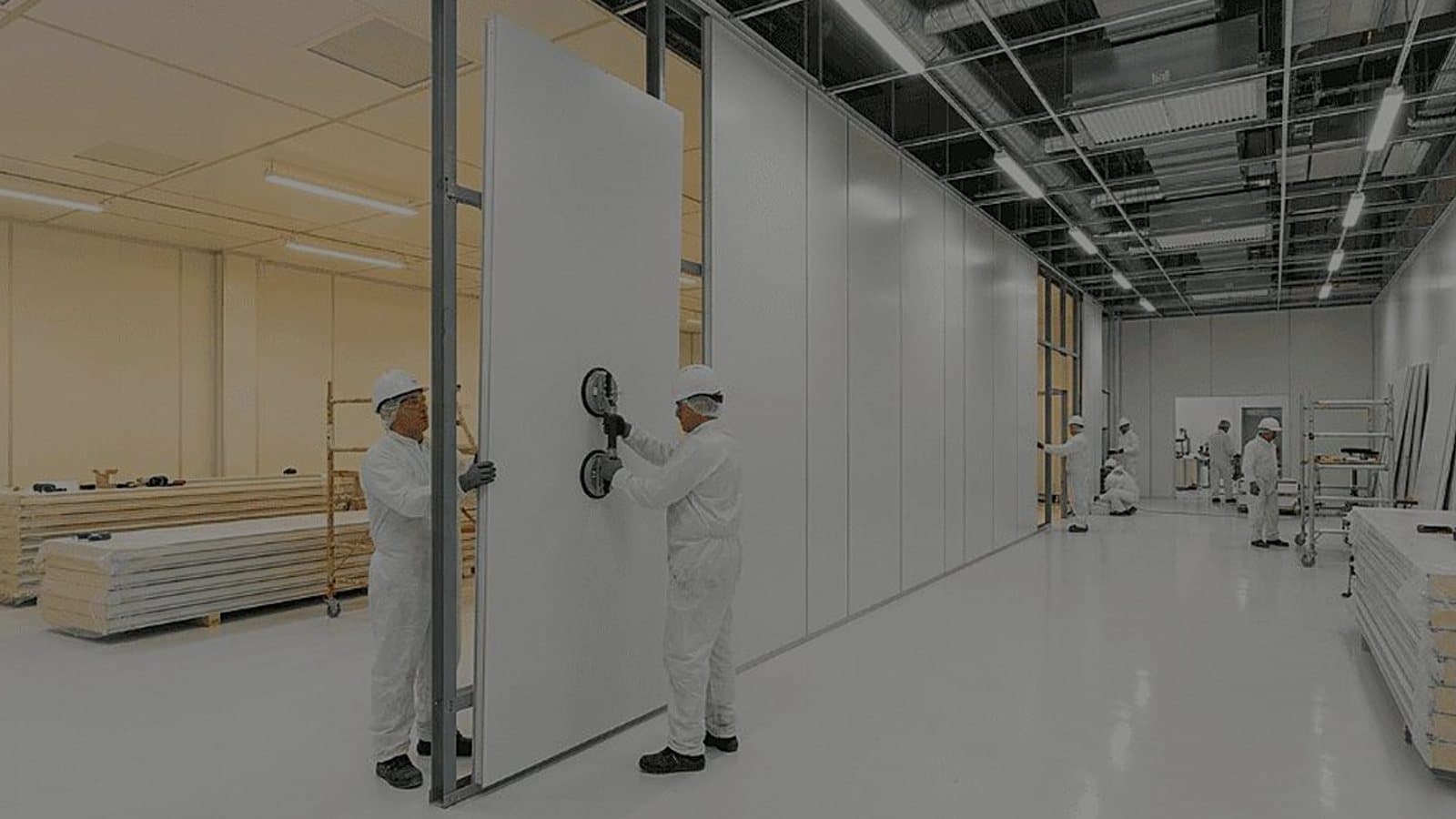
A walk-on cleanroom ceiling turns the void into a service floor, so dampers, sensors, cables and lighting are maintained without entering the room. It only helps filter changes if the HEPA housings are top-serviceable, and the void must be designed as a floor. Worth it for plant-heavy suites, rarely for small labs.