A single-shift Grade C/D suite is empty 128 of 168 hours a week, so airflow setback pays. In a tropical climate the risk is humidity: switch dehumidification off with the fans and Monday starts with drying the suite. Keep it on dew point control, hold the pressure offset and time the return.
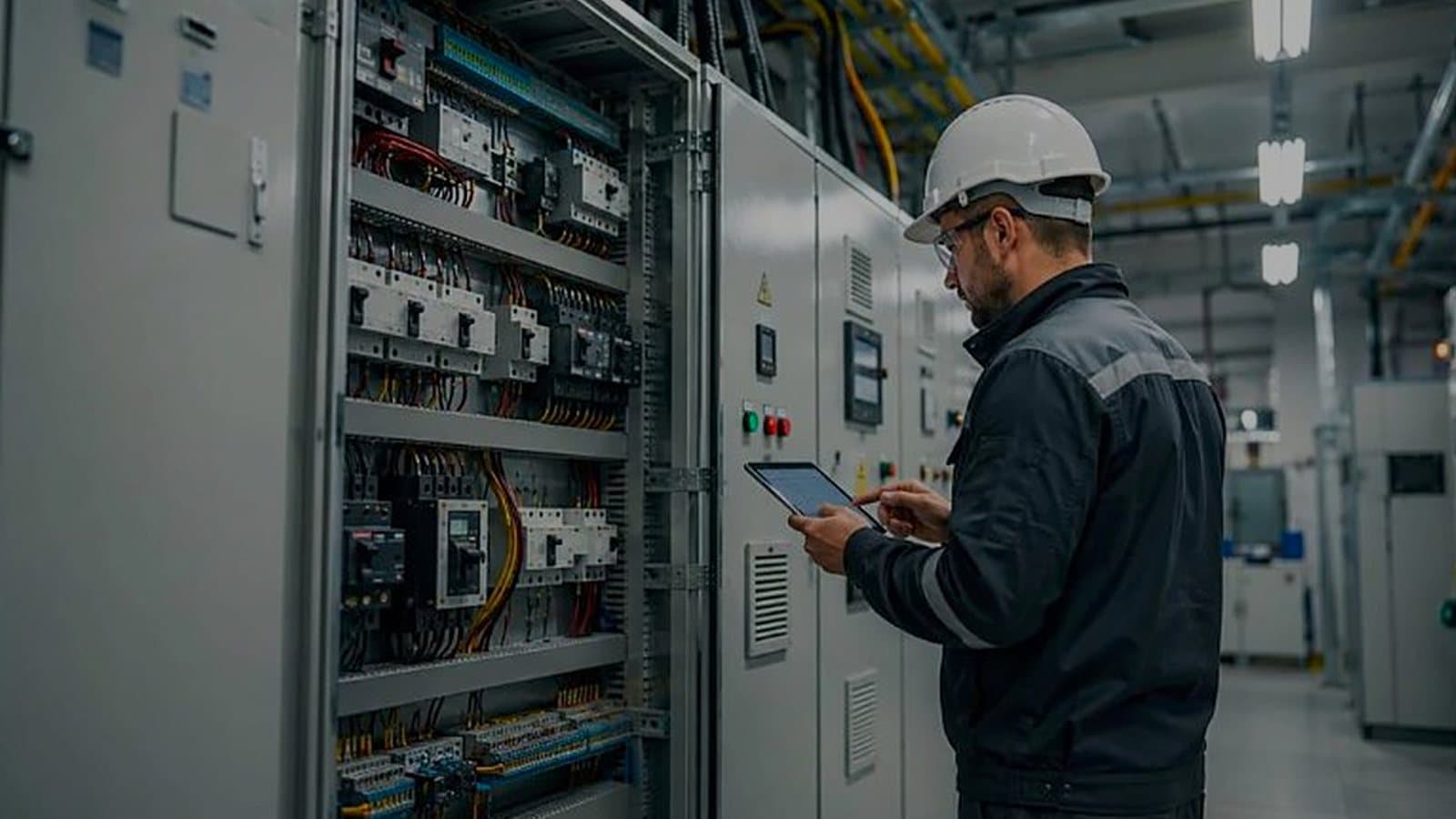
A feeder added to an IEC 61439 board years later has to stay inside the assembly's design verification, or be verified again. Spare ways equipped or prepared in the same system, a busbar sized for the expected extension and clear rules on who may modify the board are cheapest at design stage.
An oversubscribed design team can issue on time and still delay the project: drawings with holds lead to RFIs, uncoordinated site sketches, rework and variations. Named discipline reviewers and float for the owner's review are the signs of a realistic program. We give the honest date, not the winning one.
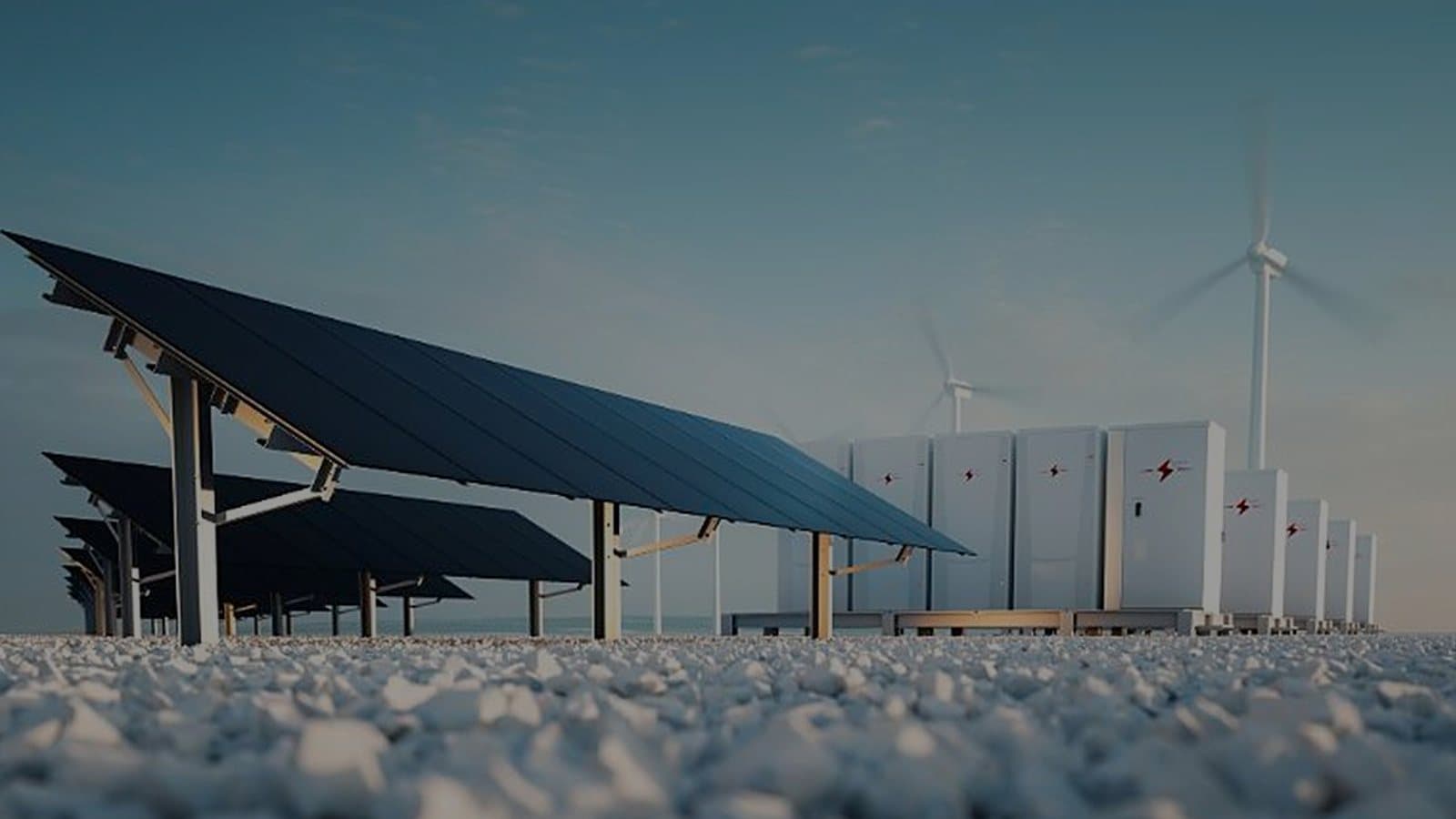
BESS thermal management, gas detection, explosion control and suppression often come from four suppliers, and each changes what the others must handle. Issuing the UL 9540A report with all four packages, naming one interface owner and choosing explosion control from the test data keeps them working as one system.
Before changing an inherited facility or design, a written gap assessment against the URS and target regulations gives management and inspectors the same picture: evidence from documents and spot measurements, findings graded by risk, and the fix, cost range and schedule impact of each, plus what can stay.
After more than twenty years with automation vendors and running an EU-GMP EPC contractor, Tony Nguyen saw problems start at the handovers between companies rather than inside any one scope. This note explains why Humiley is organized as one accountable team across design, project management, equipment and maintenance.
EN 1886 class L2 allows an AHU casing 0.44 l/s per m² of leakage at −400 Pa. On a witnessed FAT, casing leakage, fan airflow at design static pressure, filter bypass and the control panel are checked against the approved specification, and both engineers sign the sheet that goes into the equipment file.
300 TR is about 1,055 kW, some 55 kW more than a 1,000 kW offer, enough to use up a 5% design margin. Converting fixes the unit only. Capacity also depends on leaving chilled-water and condenser conditions, so ask every vendor for figures at your design conditions, in one table.
EU GMP Annex 15 (2015) treats three consecutive PPQ batches as a common minimum, with the number justified from risk; the FDA's 2011 guidance names no count and works in three stages. A rationale that serves both draws on commercial-scale variability, parameters near their proven limits, prior knowledge and a statistical target on the CQAs.
By ASHRAE's occupant table, light bench work releases about 140 W of latent heat per person, roughly 200 g of water an hour. Ten operators add about 2 kg an hour to a room at −60 °C dew point. Size the dehumidifier on peak headcount, including shift changeover, and write gowning assumptions into the design basis.
ISO 14644-3 allows installed filter leak scans by aerosol photometer or discrete particle counter. The photometer is quick but needs roughly 10 to 100 mg/m³ upstream; the counter works at far lower loads. For ULPA and filters you want kept free of oil, choose the counter method at design stage.
Electric reheat is paid for twice, as heat and as the cooling that removed it. A wrap-around heat pipe reheats with no energy input but adds pressure drop: 100 Pa at 5 m³/s and 60% fan efficiency is about 833 W, every running hour. The comparison is a per-unit calculation.