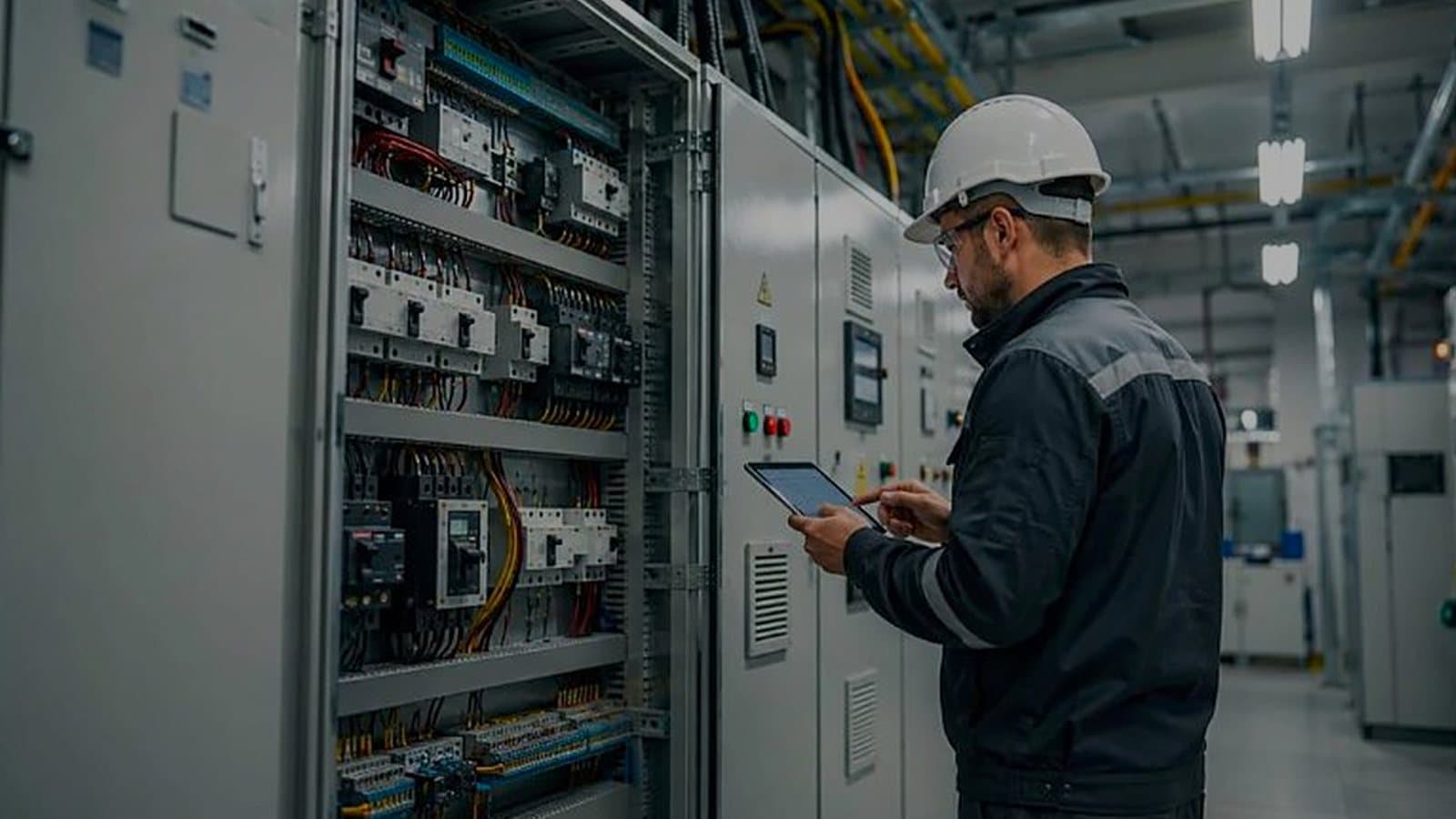
Most of what a drive needs is on the motor rating plate. Read the voltage and connection against the supply, enter rated current, power, speed and power factor in the drive, check the IE efficiency class, the IP rating, insulation class and ambient, and copy bearing and regreasing data into the maintenance task.
The 2013 text of EU GMP Chapter 1 lists the qualification status of relevant equipment and utilities among the items a product quality review should include. Engineering can make that line believable with four more inputs: changes in the period, excursions and trends, calibration and maintenance failures with product impact, and the status of engineering CAPAs.
Capacitor makers publish a rule of thumb: each 10 K rise in operating temperature roughly halves the life of an electrolytic capacitor. A drive in a 45 °C plant room will not last like the same drive at 35 °C. Record the temperature inside the panel on every maintenance round, and ventilate or cool panels that stay hot.
The P-F interval is the time between the point where a failure first becomes detectable and the point of functional failure. An inspection has to come round more often than that, with time left to act. The interval depends on the failure mode and on the detection method, so one calendar frequency cannot suit every fault.
A supplier audit that ends when the report is filed tends to find the same observations next time. For audits of active substance suppliers, EU GMP Chapter 5 says required corrective and preventive actions should be implemented. Classify each observation, agree an action and date with the supplier, verify the evidence, and show open actions on the approved supplier list.
A log entry of 'fan tripped on overload, reset, running' names no cause. Five whys, with evidence for each answer, takes the trip back through full fan speed and loaded filters to an alarm that notified nobody. Stop at a cause the site can change, assign owners, and check later that it worked.
A unit that ran for years can fail days after its annual strip-down. Intrusive tasks can leave faults behind, and many failure modes are not related to age, so a fixed overhaul cannot prevent them. Keep wear-out parts on the calendar and open everything else on condition evidence.
EU GMP Annex 1 (2022) asks for an integrity test of final filters at requalification and puts no age on the filter. A terminal HEPA is replaced when a leak cannot be repaired within site limits, when pressure drop reaches the manufacturer's final value, or after damage or wetting. On glass-fibre media, dust loading alone does not lower efficiency.
A pressure transmitter above a sealed ceiling with no test connection, a duct probe fixed out of reach, a pipe sensor with no second pocket: each turns calibration into a shutdown or a scaffold job. Test tees with isolating valves, removable probes and spare thermowells cost little on the installation details and save years of postponed calibrations.
Replacing one failed terminal HEPA in a live Grade C suite starts with change control and an equivalent filter. Stop work, bag the old filter, inspect the housing, then fit and leak-scan the new filter in place. Clean and check airflow, pressures, counts and recovery before release, with the scope agreed in the change record.
A single AHU replacement in a live GMP plant carries every constraint of a large project: a short shutdown window, existing connections, a pressure cascade to re-prove and change control before fabrication or any site work starts. Planned well, requalification stays short. Planned badly, a weekend job becomes a two-week deviation.
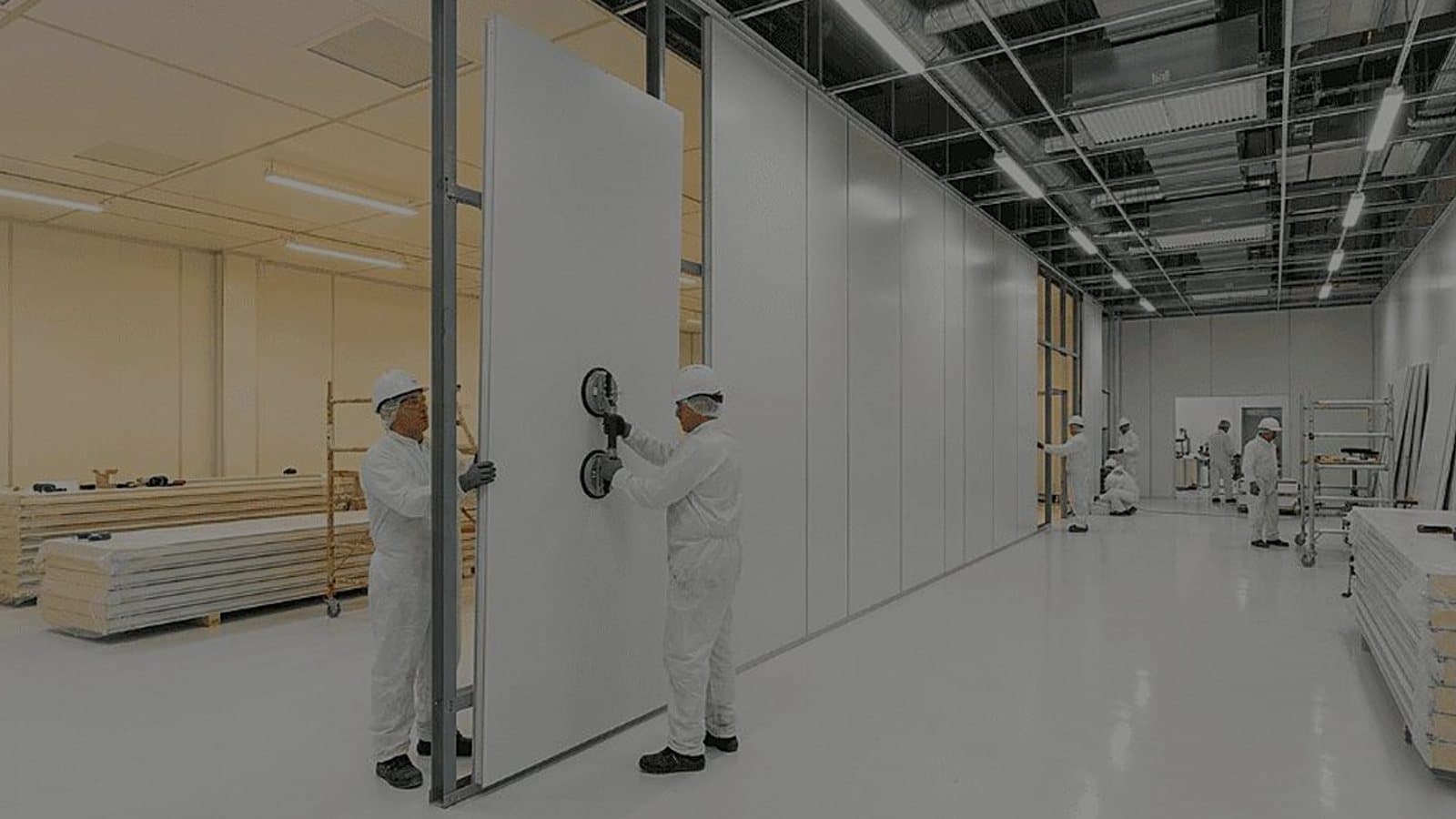
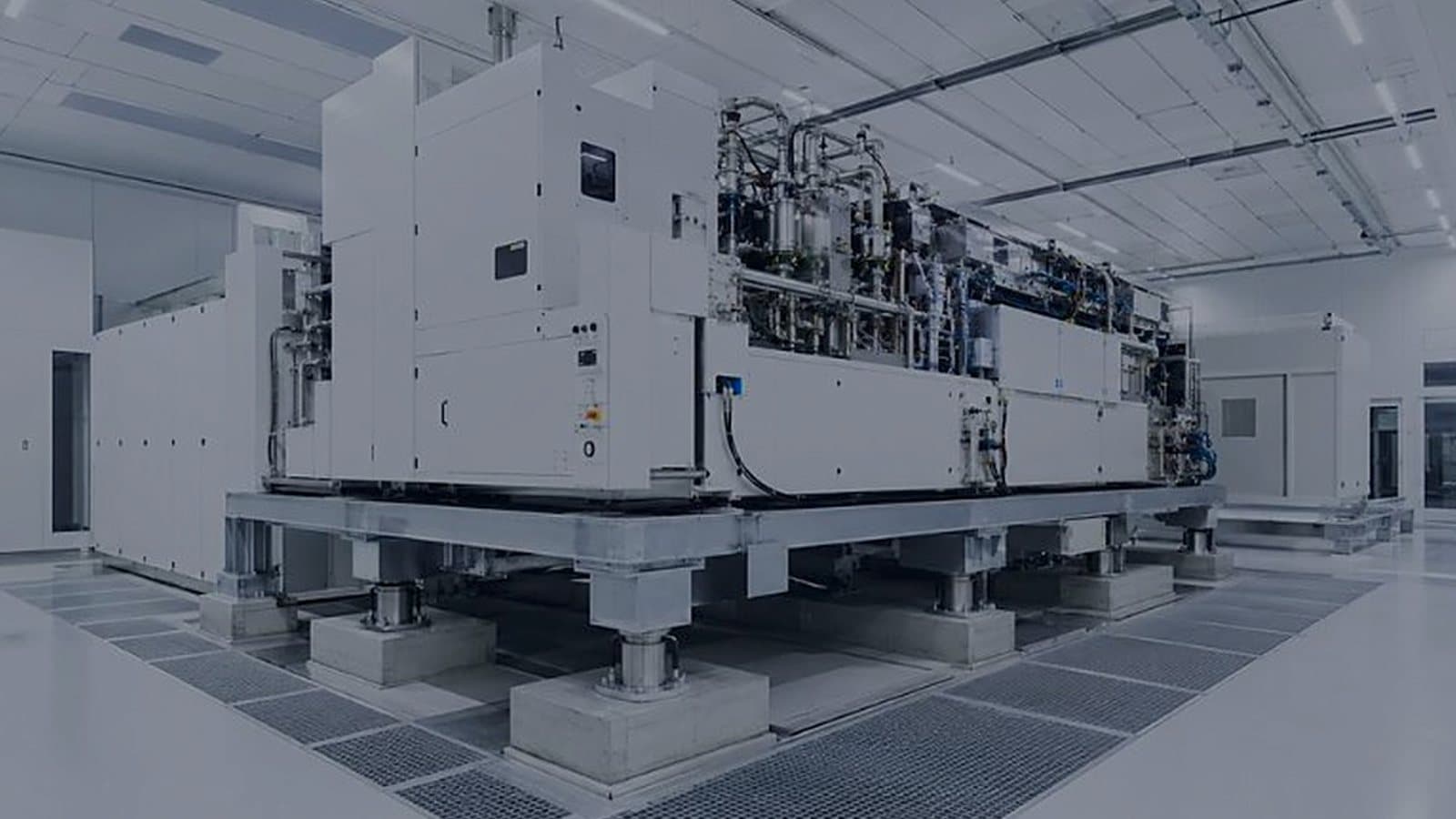
In semiconductor manufacturing, HVAC systems are not just utilities — they are critical infrastructure supporting ultra-clean air, process stability, and yield protection.