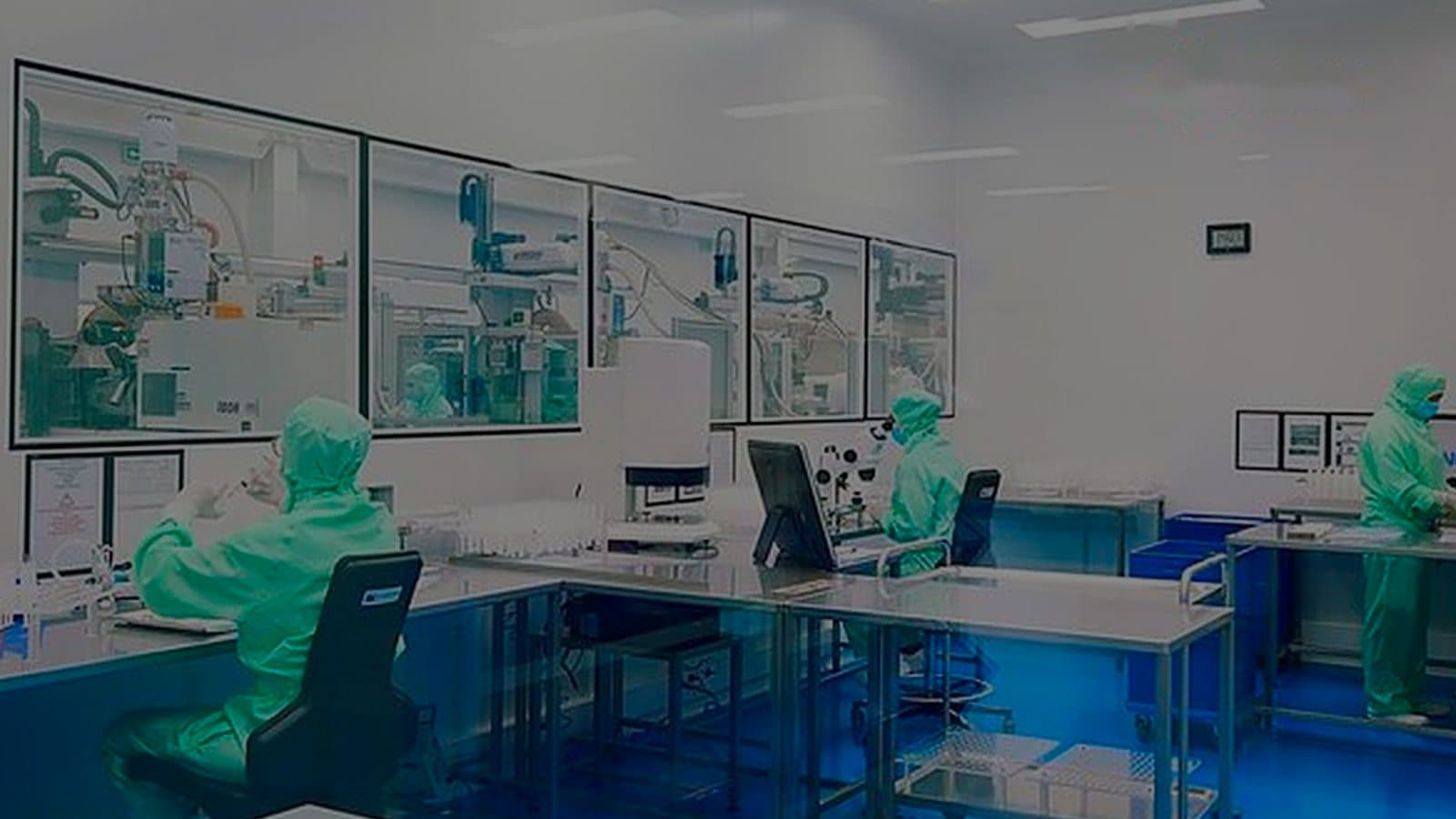
Cleanroom OQ tests depend on each other. Measure airflow first, then pressure differences, then the installed filter leak test, then airflow visualization, and finish with classification and recovery. A particle count taken before the leak test may have to be repeated once a filter is repaired.
Reheat lowers the RH reading and leaves the water in the air. Before adding it, check outdoor dew point against design, chilled water temperature and valve position, and coil leaving dew point. Then look at reheat and the room sensor, and finally at doors, infiltration and new moisture sources.
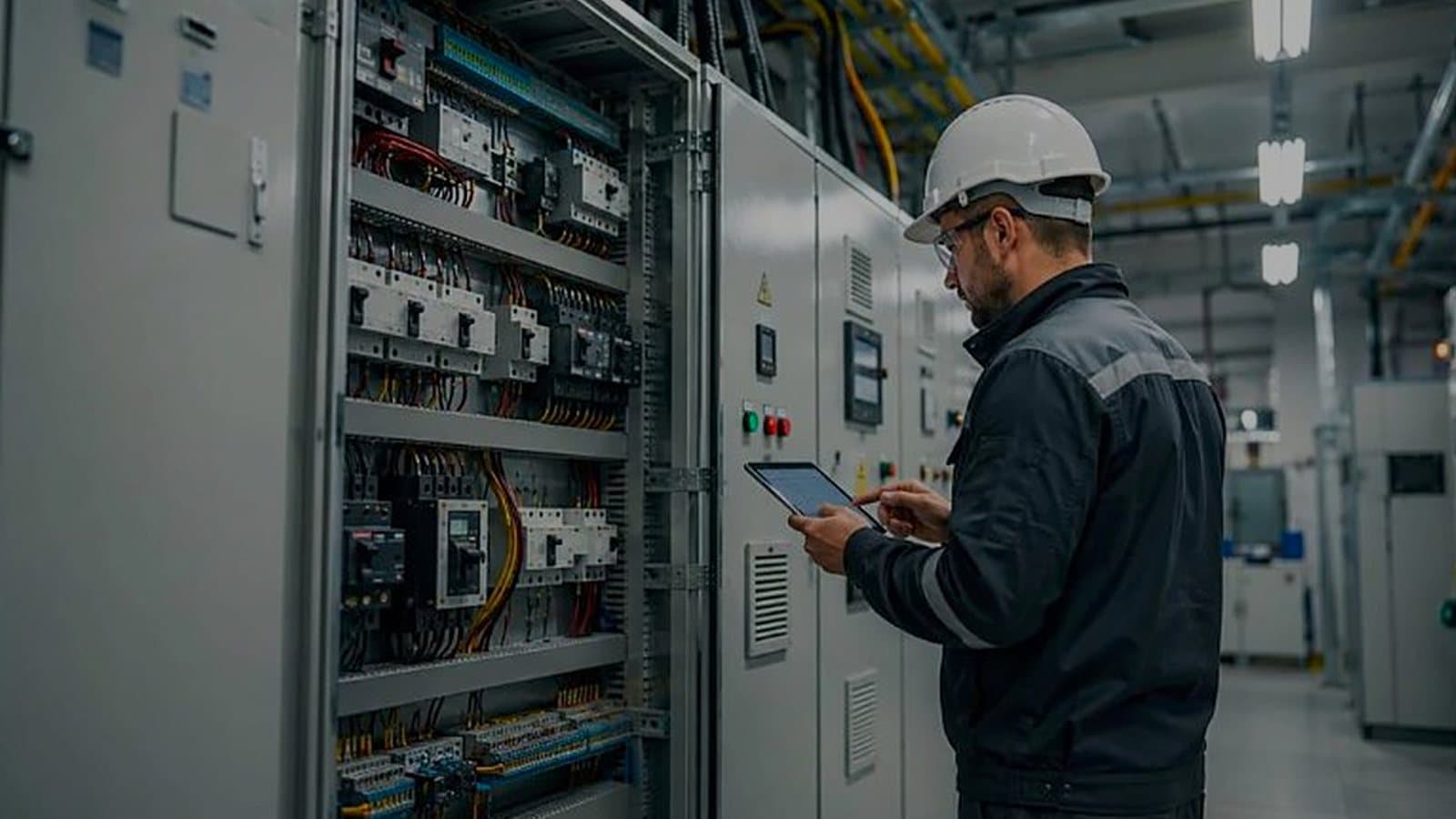
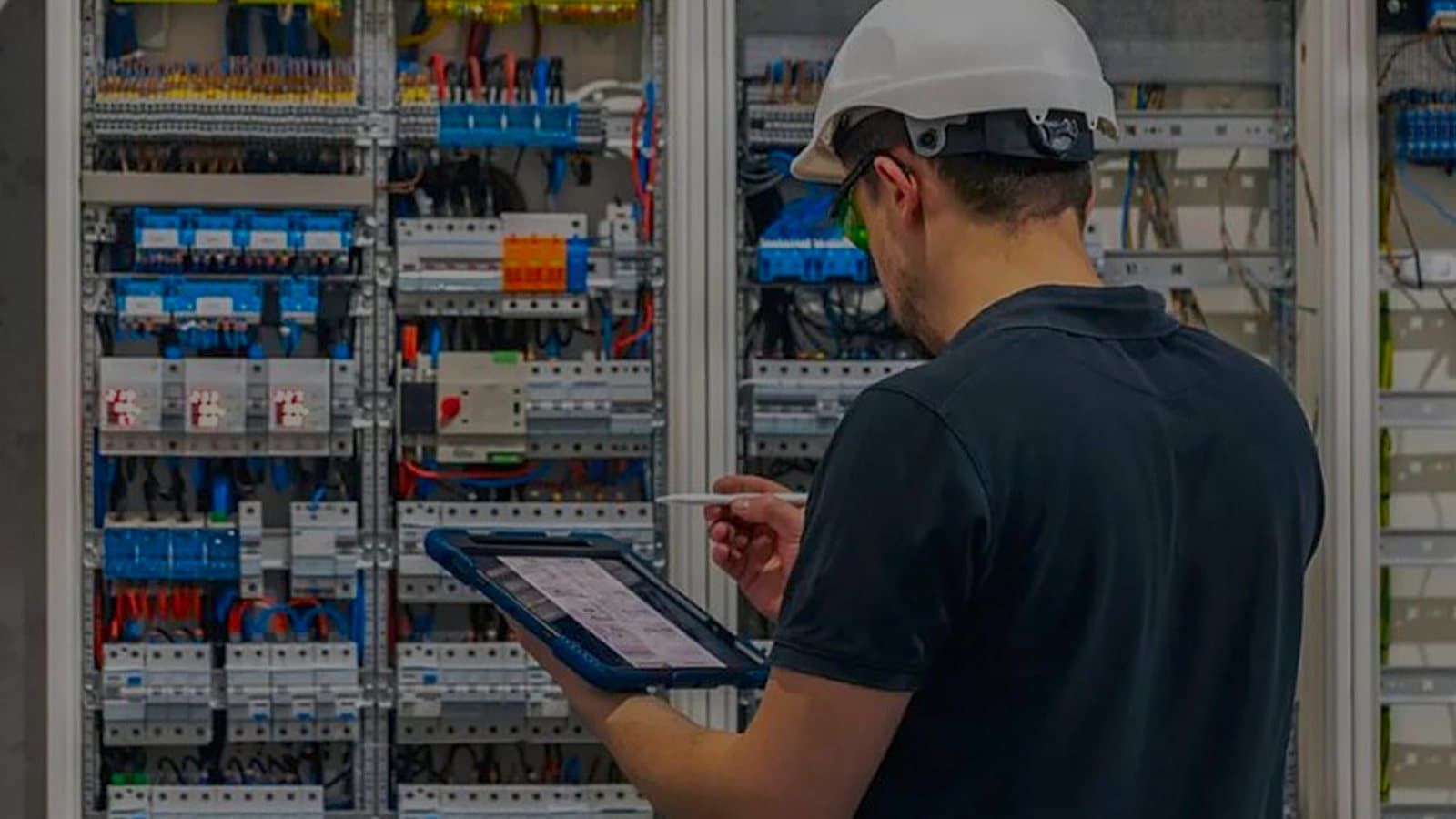
A room pressure signal that wanders when a drive ramps often has a cable screen bonded at both ends, carrying earth current beside a 4–20 mA signal. For analogue signals, bond the screen at one end, keep it continuous and insulated through junction boxes, and follow the instrument maker where the instruction differs.
The ICH stability guideline sets the accelerated study at 40 °C ± 2 °C and 75% RH ± 5% RH for a minimum of 6 months. If long-term studies run at 25 °C/60% RH, a significant change there should be followed by intermediate testing. For the chamber, excursions beyond the tolerances for more than 24 hours should be described in the study report.
Construction dust left in supply ducts ends up in the terminal HEPA filters, which then load in months. Order ductwork factory-cleaned and capped, store it off the floor, re-cap every open end at the end of each shift, inspect and wipe each section before connection, and fit the terminal filters last.
The similarity factor f2 compares two dissolution profiles on a scale where 100 is identical and a 10% difference at every time point gives 49.9. FDA and EMA guidance read 50 to 100 as similar, under conditions on units, time points and variability. It is one input to a comparison after a site change.
An ISO 8573-1:2010 class such as [1:2:1] is three limits in a fixed order: particles, water as pressure dew point, and total oil. Class 2 water is −40 °C or lower; class 1 oil is 0.01 mg/m³ or less. The class does not name a location, so state the point of use.
Cable rating tables in IEC 60364-5-52 assume 30 °C air. In a 40 °C plant room a PVC cable takes a factor of 0.87, and six grouped circuits on a tray take 0.73 more, so a 100 A rating becomes about 64 A. State the ambient and the grouping for each route on the cable schedule.
A cooling coil detail reused from a previous project brings that project's entering air condition with it. In a 100% outdoor air unit the same rows can meet sensible capacity and leave the supply air too wet. Find the design basis, mark what differs, recalculate, and write the source on the calculation.
A capacitor bank supplies reactive current next to the load. The load's kW is unchanged, and kWh fall by no more than the cable and transformer loss saved upstream of the bank, under 1% in a worked example. The payback is the reactive charge billed in Viet Nam below a power factor of 0.9 and the transformer capacity freed.
An alarm that appears on a screen in an empty control room has not been delivered. Test the notification chain: every route delivers, the time from event to receipt is measured, escalation works when nobody acknowledges, the out-of-hours list is current, and a failed message service raises its own alarm.
A variable-speed chilled-water pump that holds design head across its own headers hardly slows down. In a 300 kPa example, a sensor at the index coil brings the head down to 120 kPa at half flow. The US energy standard ASHRAE 90.1 requires measurement at or near the most remote heat exchanger and, with DDC, setpoint reset from valve positions.