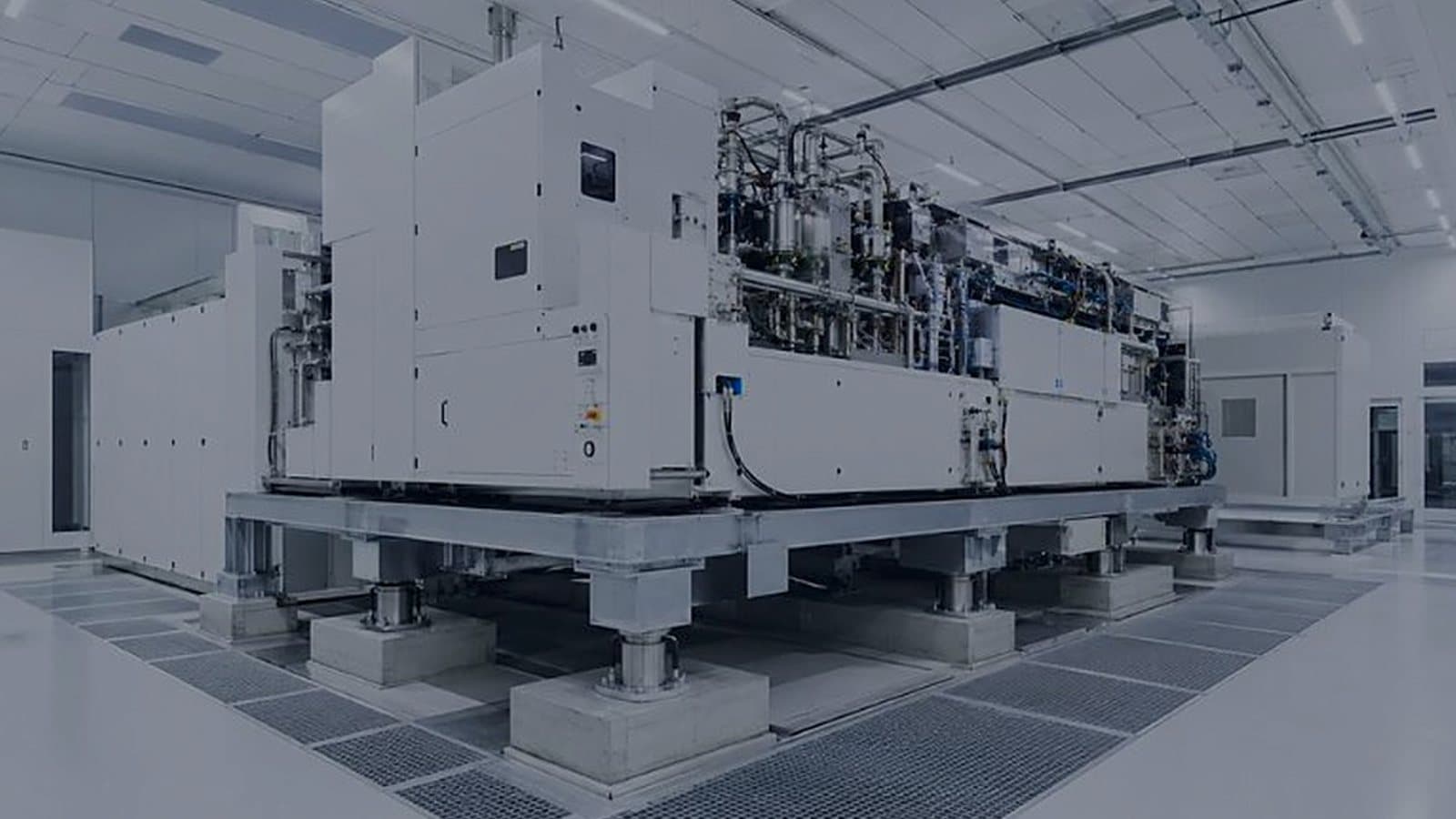
EN 1822 ULPA classes add a nine each above H14: U15 99.9995%, U16 99.99995%, U17 99.999995% at MPPS. Semiconductor ISO Class 1 to 3 spaces need them. A pharma Grade A zone at ISO 5 rarely does, because people and seal leaks drive its counts; H14 with a sound seal usually carries it.
Either way an FFU filter is changed, the room stops for the room-side leak scan, cleaning and recovery. Top-side replacement needs a walkable ceiling and disturbs the plenum; room-side replacement brings the loaded filter out through the classified space. Both need upstream injection and sampling ports that can be reached.
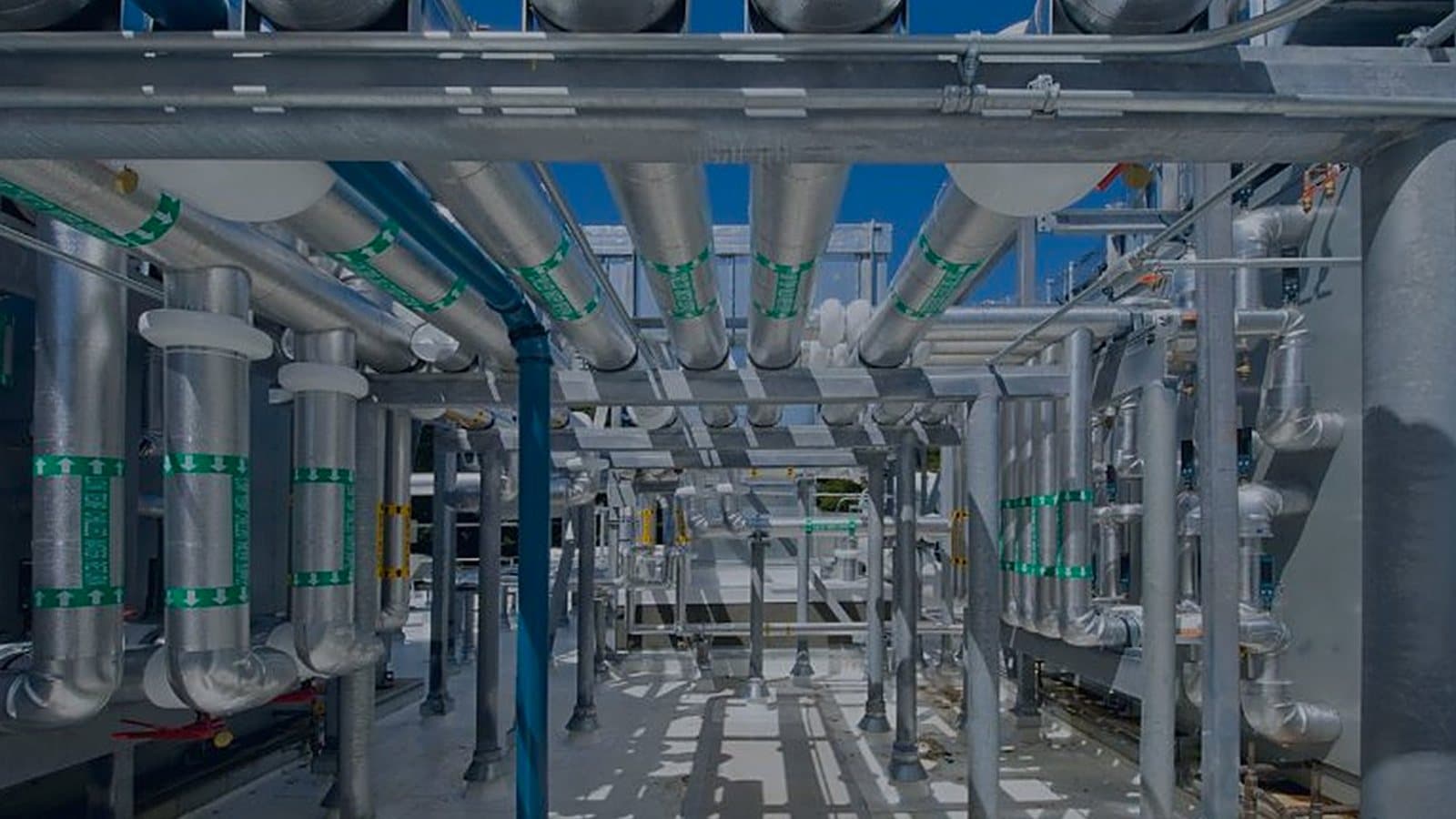
Tropical GMP HVAC cools to dehumidify and then reheats, all year. A heat recovery chiller sends condenser heat to the reheat coils: 1,000 kW of cooling at COP 5 rejects about 1,200 kW. Condensing at 50 °C instead of 37 °C cuts ideal COP by about 30%, so it suits steady reheat.
Lactose, starch and microcrystalline cellulose are combustible dusts, and the granulation dust collector is one of the places that concentrates them. Test the blend for explosibility first, protect with venting, flameless venting or suppression plus inlet isolation, site the collector where a vent can discharge safely, then choose cartridge or bag media.
When the architect, the process team and the EMS integrator each number rooms their own way, every deviation investigation starts with a lookup table. Fix one room code on the room data sheet and carry it into drawings, instrument tags, SOPs, records and door signs, with new codes for split rooms and none reused.
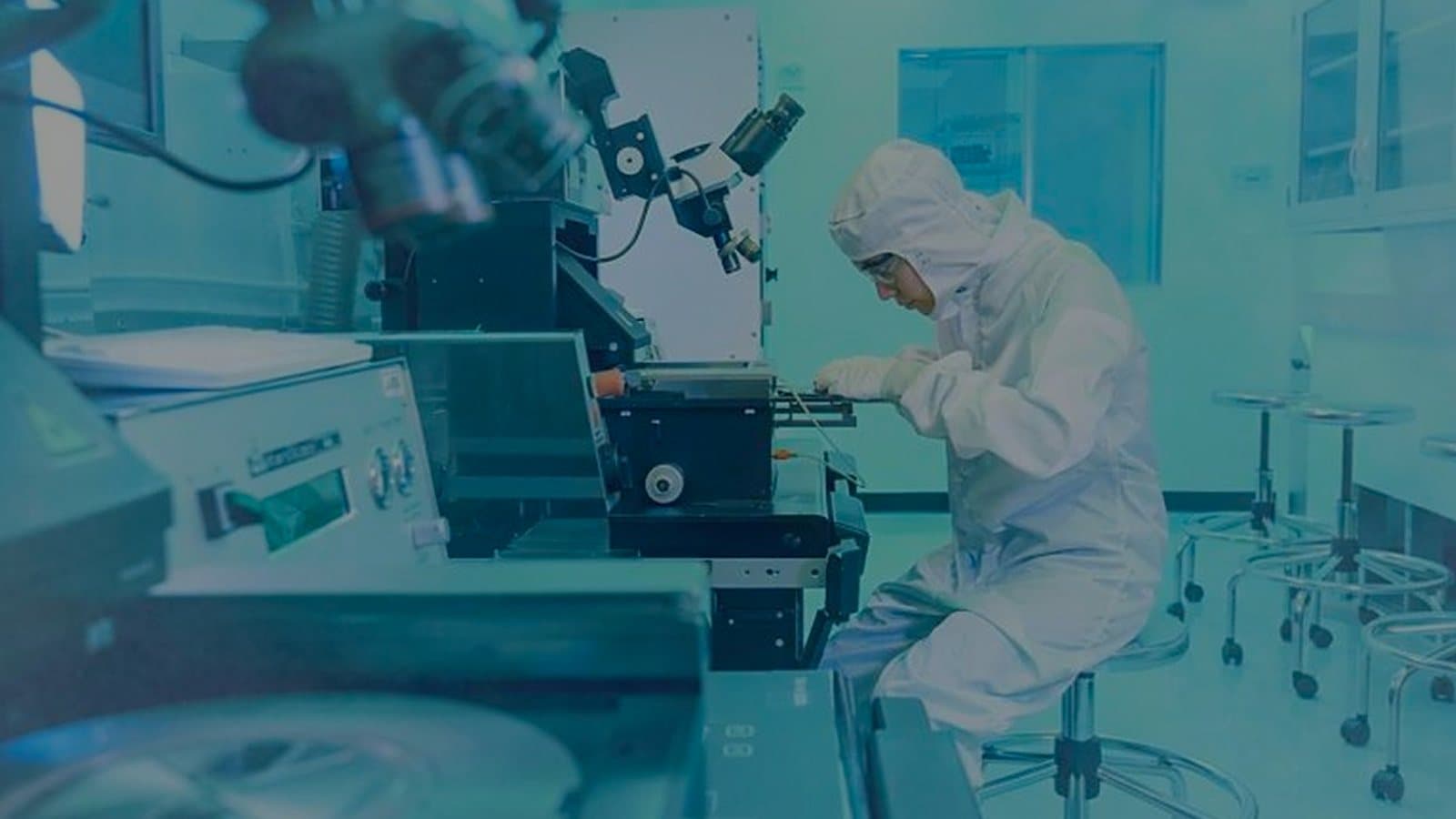
To a semiconductor engineer, Grade C at ISO 8 in operation looks loose. EU GMP Annex 1 adds microbial limits: 100 CFU/m³ in air, 50 per settle plate over 4 hours, 25 per contact plate. Rooms wiped with sporicide need floors and joints a fab never had to clean, and a CCS that ties the choices together.
A tablet press's dust extraction pulls air out of the compression room; leave it off the room data sheet and the corridor pressure shifts whenever it runs. Granulation adds moisture and sometimes solvent, coating adds heat and its own air system. List every load before sizing supply air.
Scripted CSV evidences every step of a BMS pressure alarm test. FDA's Computer Software Assurance guidance keeps scripted tests for high-risk checks such as setpoint, delay and the audit record, then adds unscripted testing of failure modes, recorded by what was tried and what happened.
EN 1822 classes the filter, not the medium. PTFE membrane usually reaches a HEPA class at lower pressure drop and handles better than brittle glass fibre, but its surface catches oil aerosol from leak tests. Agree the test aerosol with the filter maker before specifying PTFE for pharma rooms.
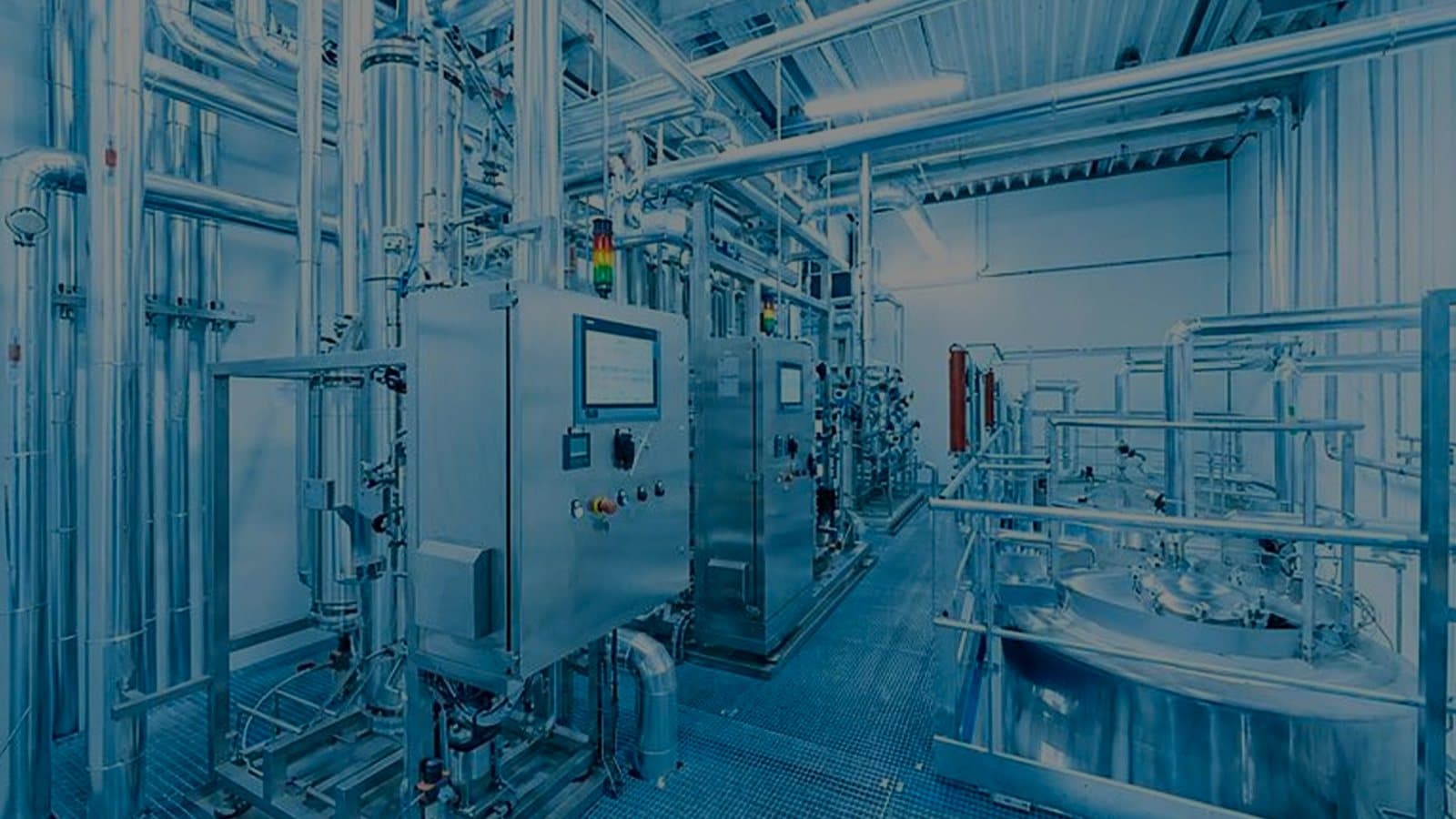
Each kilogram of electrolytic hydrogen needs at least 9 kg of water, and at 75% RO recovery that means 12 kg of feed. Pharma water habits such as sampling plans, trended conductivity and buffer storage transfer well. A WFI-style loop may not: build to the electrolyser supplier's feedwater specification.
In a controlled ambient pharma warehouse the roof is the largest heat source and the top rack sits under it. A reflective surface, continuous insulation, high-level return air and carefully used destratification fans reduce what the active cooling must remove, and a cheaper roof shows up as a bigger chiller.
ICH Q10 names knowledge management as one of two enablers of the pharmaceutical quality system: a systematic approach to acquiring, analysing, storing and disseminating information about products, processes and components. In a technology transfer, that means handing over the reason behind each parameter, along with the batch record.