Cleanroom inspectors ask for the same HVAC evidence: qualification report, pressure trends and alarm log, HEPA leak tests, classification and recovery, smoke studies, as-builts and change controls. Index them per room, with document number, revision and location, so the back room answers in minutes.
Energy measures that change validated cleanroom conditions go through Annex 15 change control. Classification alone can mean 10 sample locations for a 50 m² room, at rest and in operation, before recovery tests and a CCS update. Price that next to the kWh, or design reduced modes in and qualify them once.
A 7.5 kW fan shaft load running 8,760 hours a year draws about 0.27 kW more at 90% motor efficiency than at 93%, roughly 2,350 kWh a year from one motor. Ask for tested motor-plus-drive efficiency at the duty point, because the IE class is rated at full load.
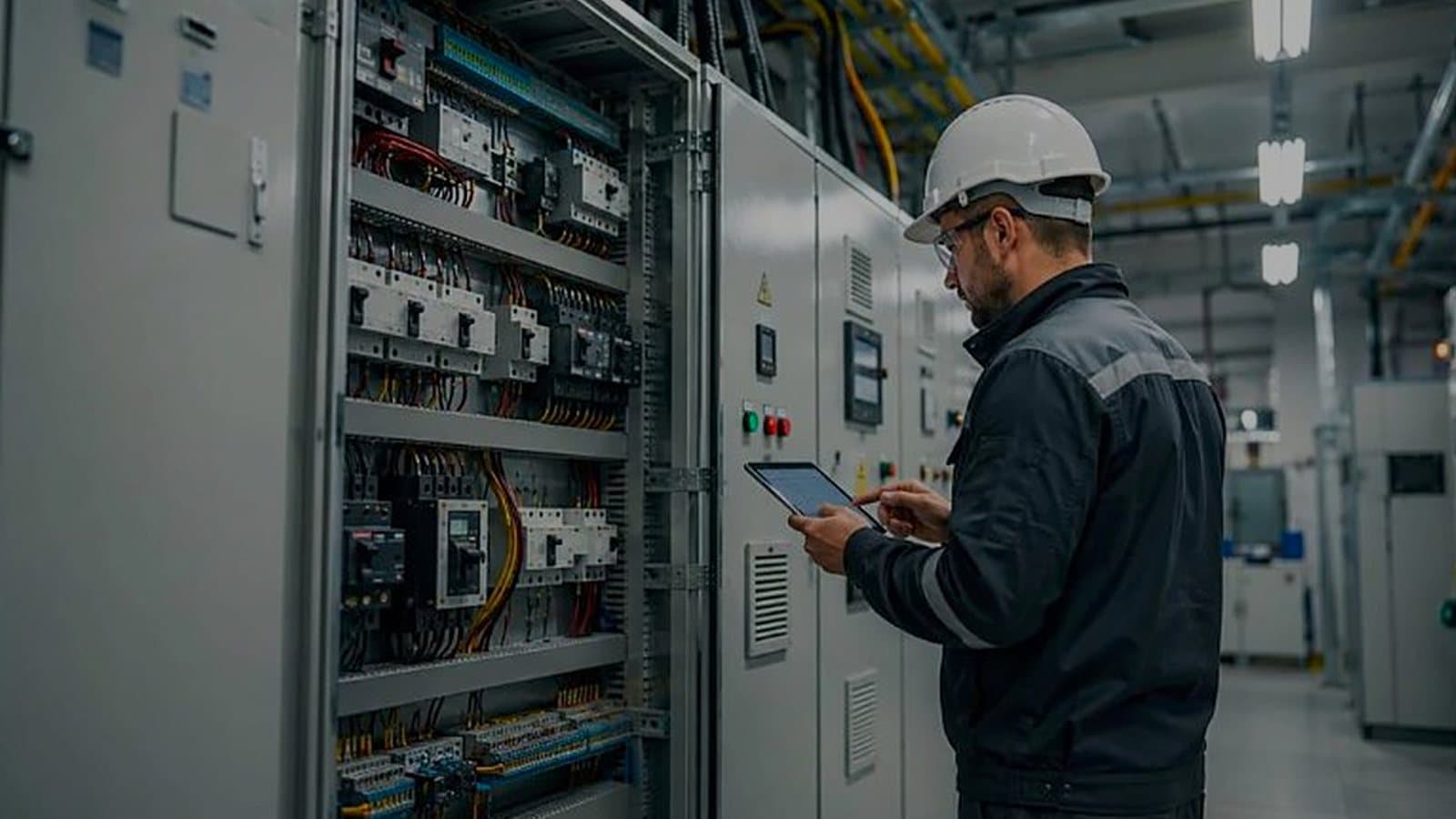
Voltage distortion is harmonic current multiplied by source impedance. An EC fan wall draws the same harmonic current on grid or generator, but a transformer is typically 4–6% impedance and a generator's subtransient reactance typically 12–20%. Model both sources and set a distortion limit for the busbar on standby power.
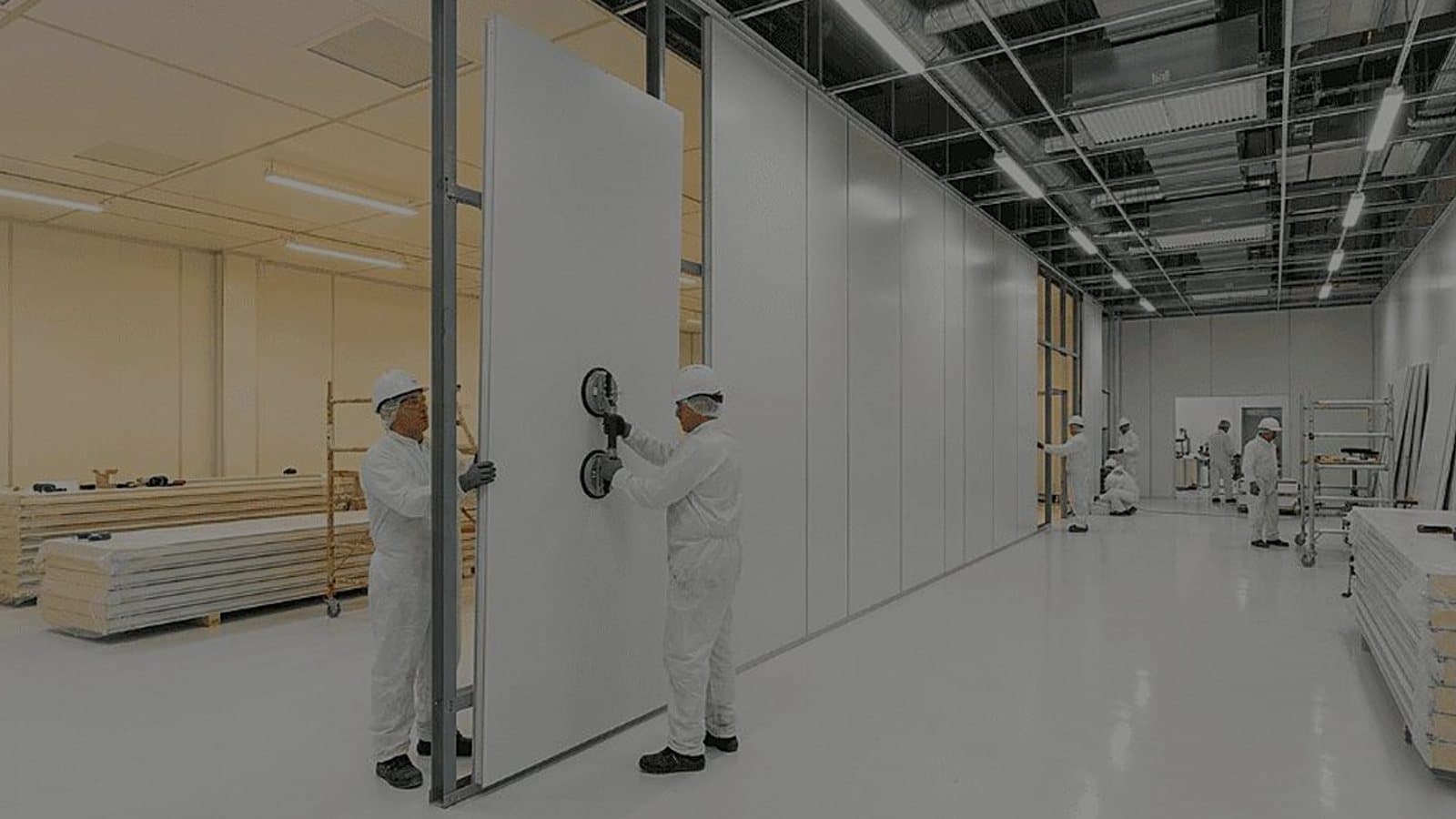
Late service penetrations through cleanroom panels are a common reason a room loses its pressure differential. Sleeve each one to the panel, seal both faces with a flush cover on the clean side, run one service per sleeve and keep a penetration schedule that is checked before the pressure test.
EU GMP Annex 1 (2022) lists significant modification to the HVAC system among the reasons to repeat an aseptic process simulation. Changes to airflow pattern, pressure regime or filter housings in aseptic areas should reach QA with an engineering note before the work, and the requalification should be planned with the shutdown.
Grade D sets the particle limit and little else. In an OSD compression room the product is the contaminant, handled with a pressure sink and local exhaust; a semi-solids room has little dust but heat and water from vessels and washdown. Fill in the process loads on the room data sheet before copying any airflow.
A vision panel frame that projects from a cleanroom wall becomes a ledge that collects particles and gets wiped around. Specify sealed double glazing set flush with the panel skin, joints sealed like the rest of the wall, and ask for a section drawing through the panel at design review, where the ledge becomes visible.
Classification spreads sampling points evenly by floor area; environmental monitoring should go where contamination would reach open product first. Place particle probes and settle plates from the smoke study, the intervention list and a documented risk assessment, keep them clear of the flow, cover the last-to-recover spots, and reference the evidence behind each point.
EN 1822 ULPA classes add a nine each above H14: U15 99.9995%, U16 99.99995%, U17 99.999995% at MPPS. Semiconductor ISO Class 1 to 3 spaces need them. A pharma Grade A zone at ISO 5 rarely does, because people and seal leaks drive its counts; H14 with a sound seal usually carries it.
A 1,000 m² fab bay with FFUs over 90% of its ceiling holds about 1,250 units of 1,200 × 600 mm. After handover each is a motor on the BMS, and the design documents should group the units by tool and zone so the fault logic can tell a work order from an alarm.
A passive LC filter is tuned to one harmonic order and adds leading kvar at light load. An active filter injects the opposite current, is sized in amps and follows the load. Cleanroom fan walls run at part speed most of the day, which favours the active filter.