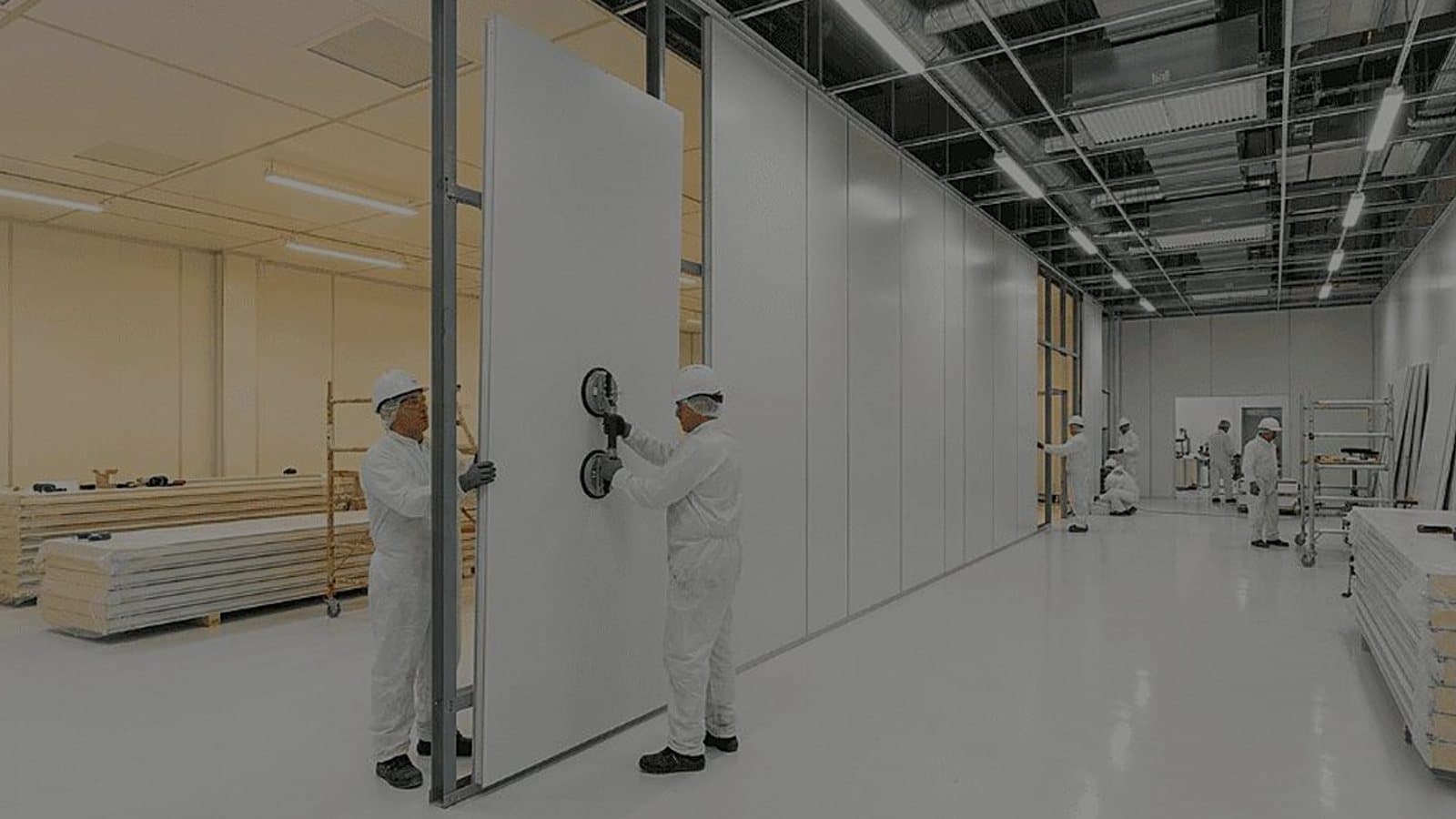
A 3 m cleanroom at 100 W/m² and an 8 K supply difference needs about 12 ACH for cooling. If cleanliness sets 40 ACH, the other 28 are dilution air. Moving it through the central AHU costs fan energy; a recirculation loop or FFUs can move it at lower pressure.
A probe with a 3 cm opening moving at 5 cm/s sits over any point for 0.6 seconds; triple the speed and it is 0.2. Frame leaks give thin, diluted plumes that a fast pass misses. Calculate the scan rate for the probe and instrument, overlap the strokes, and scan the perimeter separately and slowly.
Either way an FFU filter is changed, the room stops for the room-side leak scan, cleaning and recovery. Top-side replacement needs a walkable ceiling and disturbs the plenum; room-side replacement brings the loaded filter out through the classified space. Both need upstream injection and sampling ports that can be reached.
In many medical device plants, assembly and sterile-barrier packaging share one ISO class. Packaging is the last exposure before the seal, so it usually sets the class. Assembly can sit a step looser with its own ESD and humidity controls, unless no cleaning step separates the two rooms.
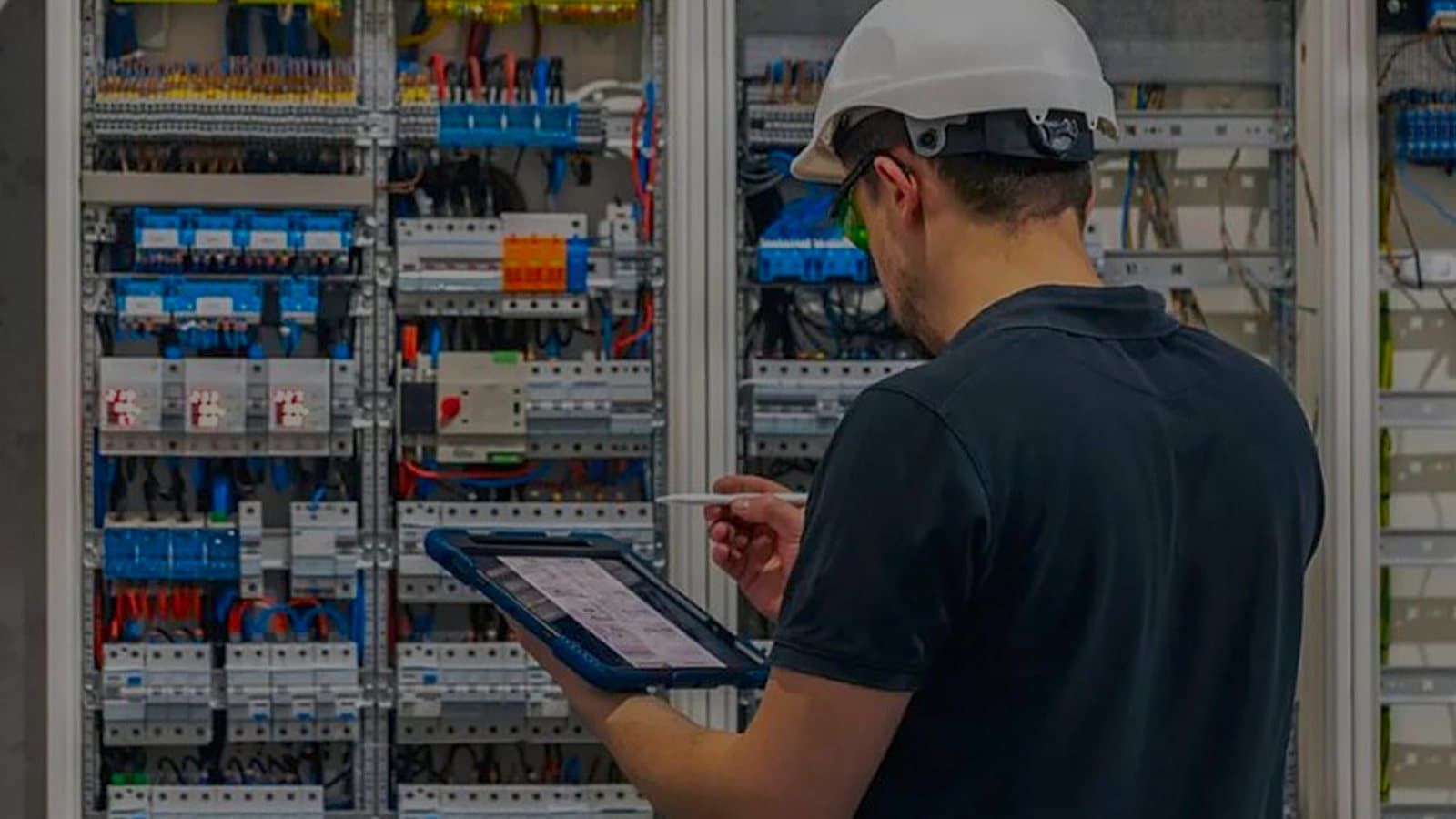
With a ring main unit, a faulted section of a 22 kV loop is isolated by switching instead of waiting for the repair. Inside: ring load-break switches, a transformer feeder and interlocked earthing switches, with a sealed utility metering cubicle alongside. The plant stays dark until the switching is done, so plan the cleanroom restart.
Cooling coils pay for dehumidification in chiller kWh; desiccant rotors mostly in reactivation heat, often above 100 °C for silica gel rotors. Compare them by listing the heat the site already has and its temperature. Very low dew points need desiccant regardless, and rotor outlet air still needs cooling.
Drums routed through a personnel airlock months after start-up are a layout-stage mistake. Small items go through a pass box; carts and drums need a material airlock, a room with its own air, cleaning step and place in the 10 to 15 Pa cascade. Check size, then frequency, then pressure.
A peak-load spreadsheet sizes equipment but cannot see the humid part-load hours, around 5,000 in a southern Viet Nam wet season, where cleanrooms overcool and reheat. An hourly model runs all 8,760 hours against the site weather file and the real control sequence, and gives an energy target its baseline.
Many potent suites recirculate through safe-change HEPA housings; where the risk assessment rules that out, every cubic metre is tropical outdoor air. Run-around coils recover heat with the airstreams fully separated, wheels open a leakage path, and dedicated fresh-air pre-cooling targets the latent load. Our energy modeling targets a 30% HVAC energy reduction.
A layout change after award that adds cleanroom panel is a quoted variation under a lump sum, and a measured item at bill rates under a remeasurable contract. Equipment usually suits a lump sum; duct, pipe, cable and panel area suit measurement, with rules such as gross or net of doors agreed at tender.
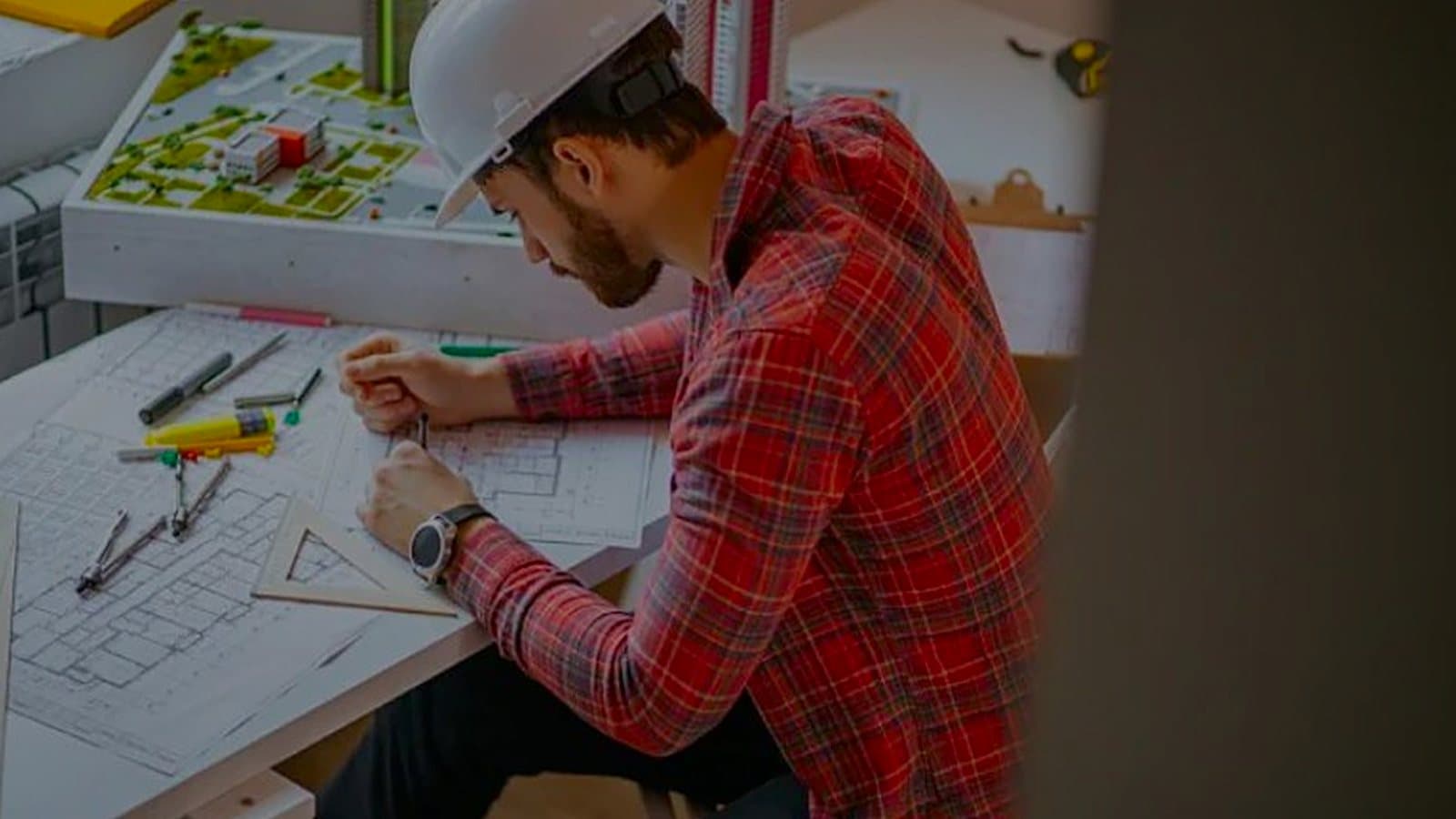
At LOD 300 a BIM element has size, shape and location; LOD 350 adds its interfaces with other systems: connections, supports and clearances. Clash detection before LOD 350 finds ducts in beams but misses hangers, flanges and maintenance access, which then surface on site.
Between 29 °C / 26 °C dew point outdoor air and 20 °C / 45% RH exhaust the enthalpy gap is about 47 kJ/kg. A 70% sensible exchanger recovers about 6.5 kJ/kg, 14%, and its supply side runs below the dew point, so it needs a drain. Most of the tropical load is moisture.