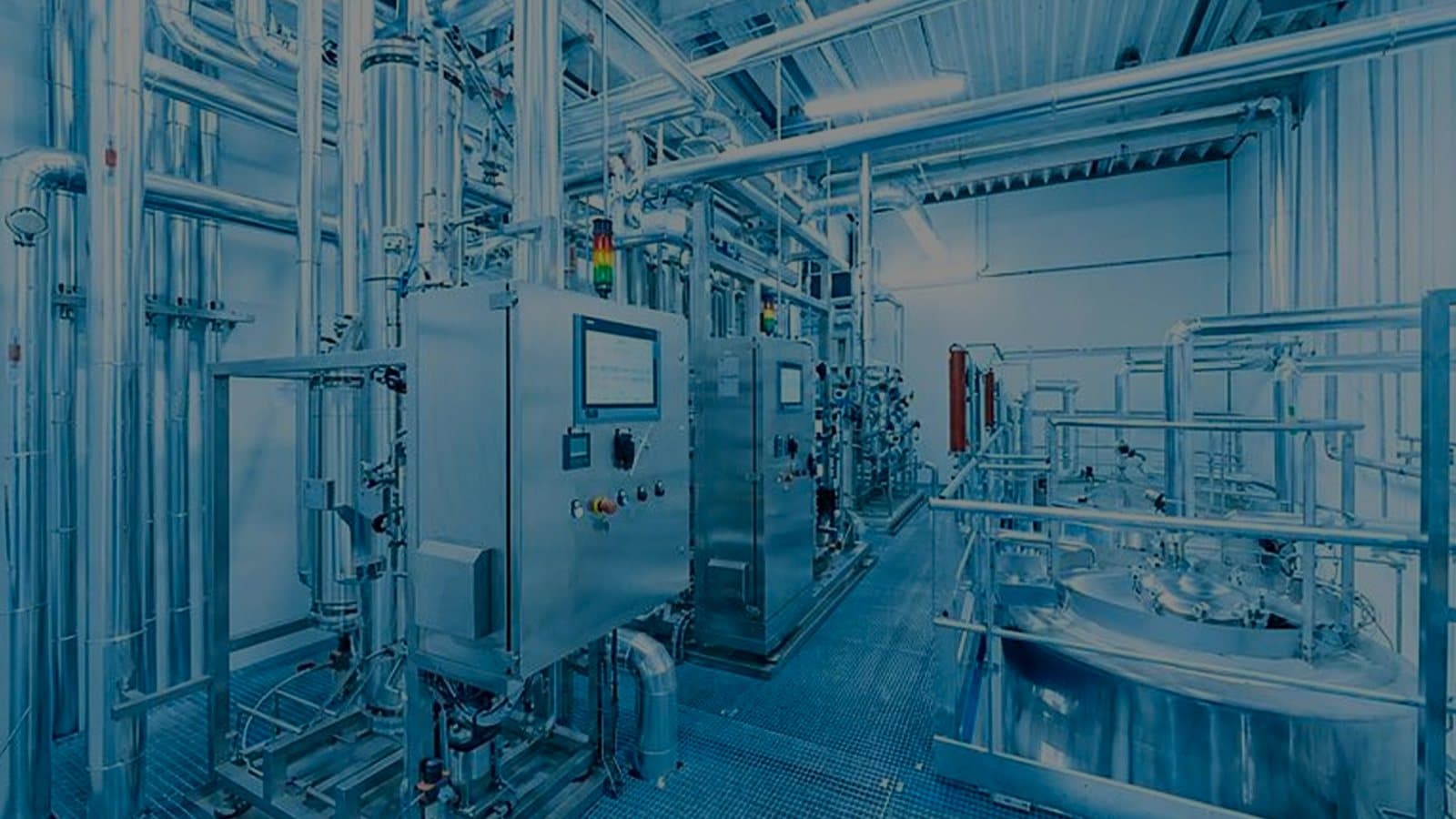
ICH M4Q(R1) divides the body of data in Module 3 into drug substance, drug product, appendices and regional information. A finished-product plant appears under manufacture in the drug product branch, where equipment type and working capacity should be identified, and, for biotech products, in the facilities and equipment appendix.
The Site Master File is read when an inspection is planned, and section 4 of the content list in the EU Explanatory Notes is engineering content: layouts with room classification and pressure differentials, HVAC principles, water schematics, other utilities and the major equipment list. Each appendix can carry its own effective date, so check them after every project.
EU GMP Annex 1 (2022) asks for an integrity test of final filters at requalification and puts no age on the filter. A terminal HEPA is replaced when a leak cannot be repaired within site limits, when pressure drop reaches the manufacturer's final value, or after damage or wetting. On glass-fibre media, dust loading alone does not lower efficiency.
Conductivity sees ions, so sugar, alcohols and most biofilm products pass it unnoticed. Total organic carbon catches them: the limit for bulk Purified Water and Water for Injection is 0.50 mg/L, or 500 ppb. A well-run loop sits far below that, so a slow rise or a step after maintenance is the signal to act on.
EU GMP Chapter 8 says recall operations should be capable of being initiated promptly and at any time, and that the effectiveness of the arrangements should be periodically evaluated, in and out of office hours. A mock recall is to be considered, not prescribed. A small out-of-hours test of the contact numbers is a fair start.
An hour after a deviation is found, the room may be cleaned and the controller's trend close to being overwritten. Record it as found, contain it and export the data first. Then classify by risk, investigate the root cause with evidence, set corrective and preventive actions with owners, and have QA close and trend it.
30 Pa across a 2 m² door is about 60 N on the leaf, and doors that are hard to open get propped. EU GMP Annex 1 gives a minimum of 10 Pa between grades as a guidance value; typical design is 10–15 Pa. Larger steps add little separation, add up across a suite and need doors designed for them.
A signed printout with an electronic file behind it is a hybrid system. The MHRA guidance (2018) says it should be clearly documented what constitutes the whole data set, with all of it reviewed and retained. Check the procedure, the link from printout to file, the review, and the completeness and retention of both.
Analytical method transfer is the documented process that qualifies a receiving laboratory to use a procedure that originated elsewhere. Routes include comparative testing, co-validation, revalidation and a justified waiver. The WHO guideline on technology transfer says procedures should be implemented before process validation samples are tested, with acceptance criteria agreed before the protocol is executed.
Replacing one failed terminal HEPA in a live Grade C suite starts with change control and an equivalent filter. Stop work, bag the old filter, inspect the housing, then fit and leak-scan the new filter in place. Clean and check airflow, pressures, counts and recovery before release, with the scope agreed in the change record.
The 1999 edition of ISO 14644-1 asked for a 95% upper confidence limit when a room had two to nine sampling locations. The 2015 edition removed it: the number of locations comes from Table A.1 and each location's average has to meet the class limit. Protocols that still carry the formula mix two methods.
The product quality review is the regular, documented review of each authorised medicinal product, normally annual in the 2013 text of EU GMP Chapter 1; the US rule is 21 CFR 211.180(e). One listed item is the qualification status of equipment and utilities such as HVAC and water, which engineering should keep current through the year.