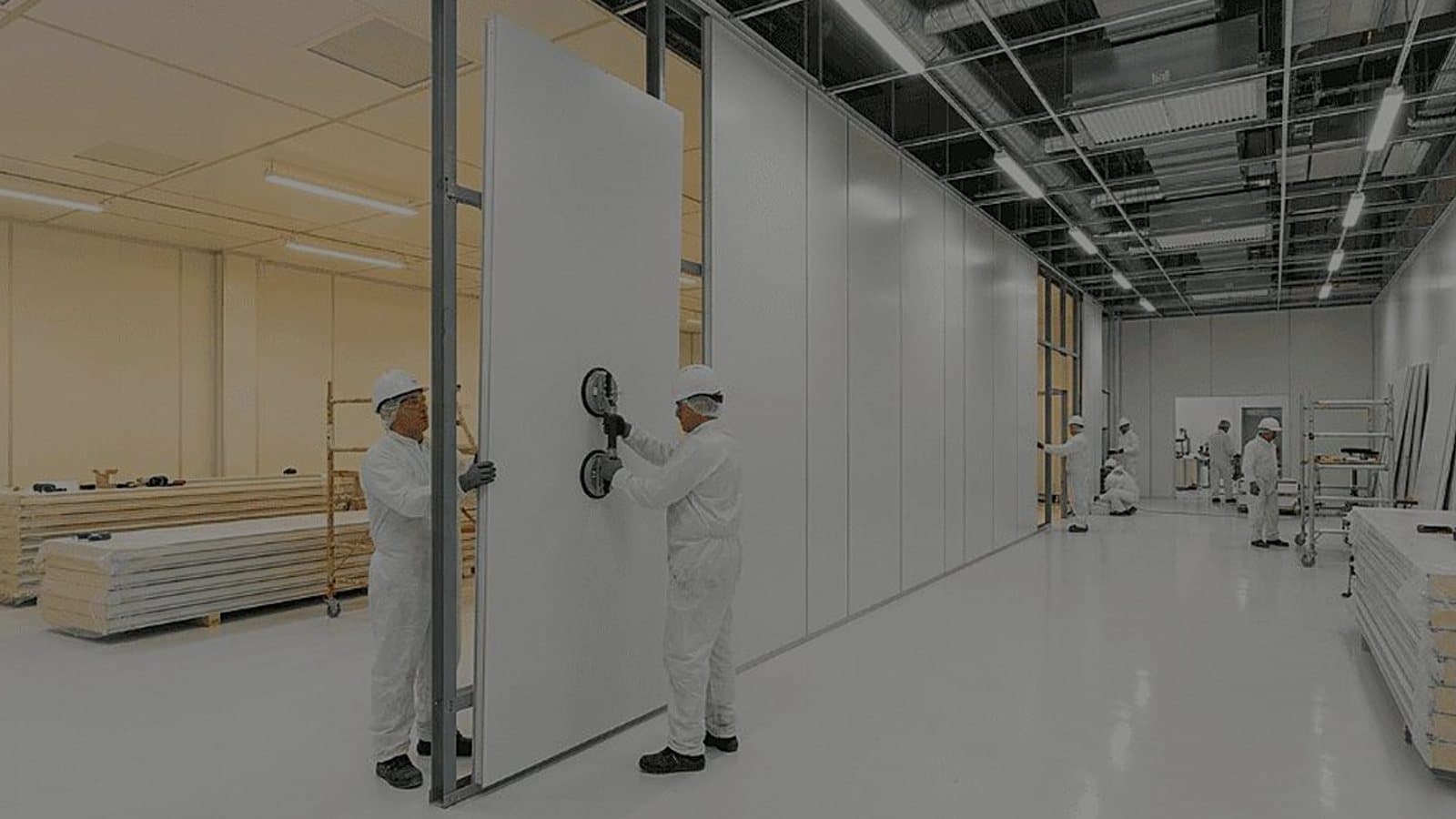
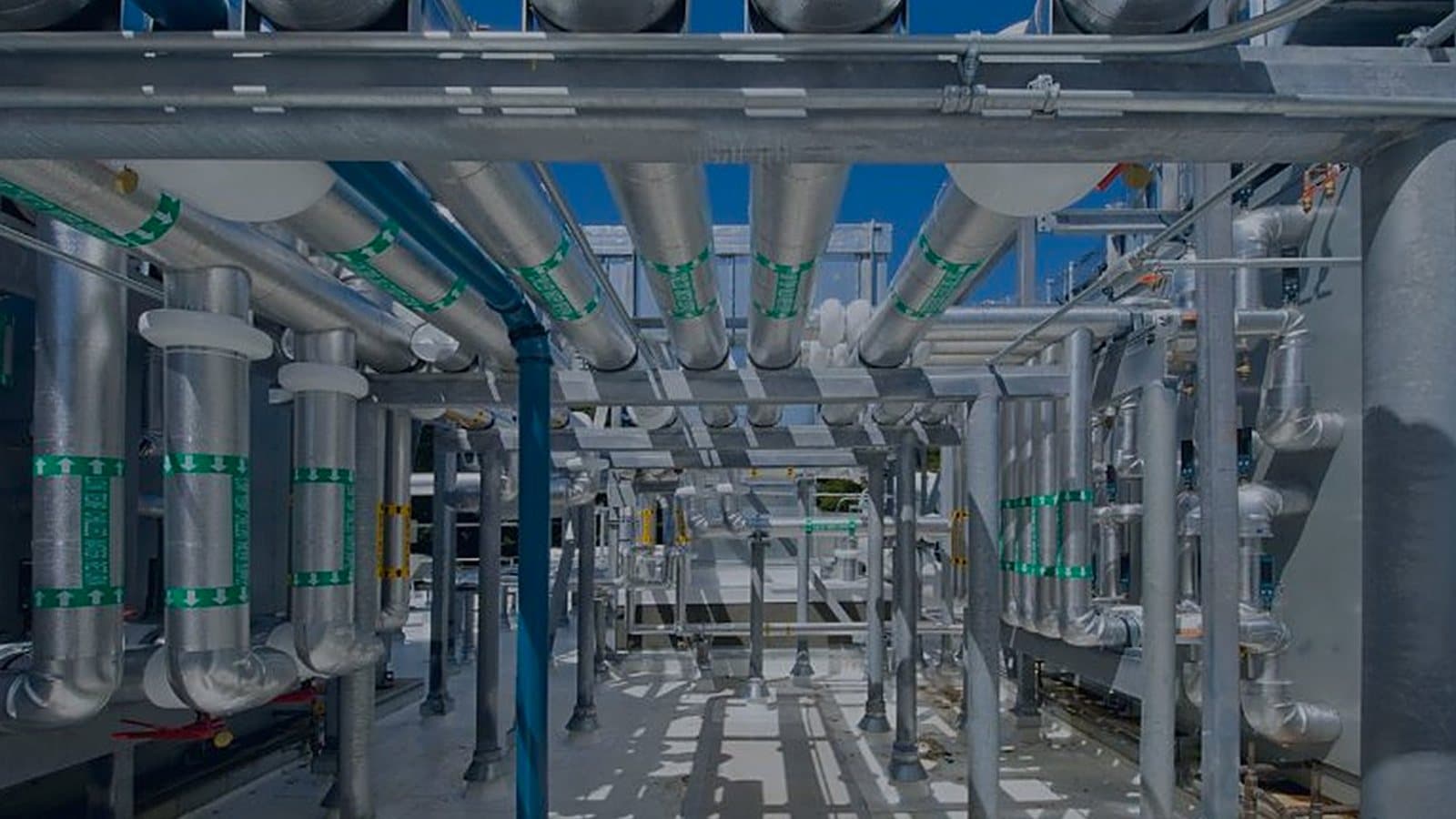
Primary-secondary pumping is simple to control, but reverse flow in the decoupler sends warmer water to the coil that sets room dew point. Variable-primary saves pump energy but has to hold each chiller's minimum flow while chillers stage. For a GMP plant, choose the scheme your controls contractor can commission and prove.
EU GMP Chapter 4 asks for regular document review but sets no interval; 2–3 years is a common choice. Write down the events that pull a review forward: change controls, CAPAs on the procedure, a new disinfectant, audit observations, new products. At the scheduled review, read the SOP against the room's change and deviation logs.
When two OSD suites share a recirculating AHU, the return duct connects them whatever the layout shows. Source extraction, HEPA on recirculation, dedicated AHUs or once-through air each have a cost. The choice belongs in the contamination control strategy, with the AHU zoning drawing attached.
21 CFR 11.50 requires a signed electronic record to show the signer's printed name, the date and time, and the meaning of the signature, in human-readable form on screen and in printouts. A user ID with a tick covers only the timestamp. Test the display and the printed report in OQ.
Drums routed through a personnel airlock months after start-up are a layout-stage mistake. Small items go through a pass box; carts and drums need a material airlock, a room with its own air, cleaning step and place in the 10 to 15 Pa cascade. Check size, then frequency, then pressure.
A single PM compliance percentage hides the overdue task QA cares about. Track PM compliance by criticality, overdue critical tasks listed by name, repeat failures on the same asset, and mean time to restore the pressure cascade from the BMS trend. All four need a CMMS asset register with criticality assessed.
A contamination control strategy spread across dozens of documents is hard to present in one inspection day. A storyboard with one page per risk, carrying design controls, SOP references, monitoring trends, the owner and open CAPAs, gives the team a way to walk an inspector through it without rewriting the strategy.
A hospital compounding pharmacy needs Grade A air, ISO 5 with no more than 3,520 particles of 0.5 µm and larger per m³, around the open product. The rest must be engineered into a ward building: background grade, anteroom, pass box, monitored pressure and service access from outside.
A time-stamped audit trail under 21 CFR 11.10(e) is only as reliable as the clock behind it. Restrict date and time changes to administrators at the operating-system level, synchronize to the site NTP server with an alarm on failure, log every clock change, and test the restriction in OQ.
AHRI's IPLV gives full-load efficiency a 1% weight, yet chiller offers lead with full-load COP. A 24/7 GMP plant in Viet Nam spends much of the year at part load, with condenser water warmer than the rating assumes. Ask for efficiency at each load point at your real condenser temperature.
EPC moves cost and schedule risk to one contractor at a fixed price; compliance risk stays with the owner under any contract form. If the tender never named who writes and executes the DQ, IQ, OQ and PQ protocols, the lump sum did not include them. Owners who cannot define that yet are often better served by EPCM.
An excursion record that ends with "returned to range" describes the logger trace and leaves the product question open. Assess duration and peak from the load logger, stability data for that product, affected batches, root cause, CAPA and a signed QA decision. In Viet Nam's climate, a 15–25 °C route also needs active cooling.