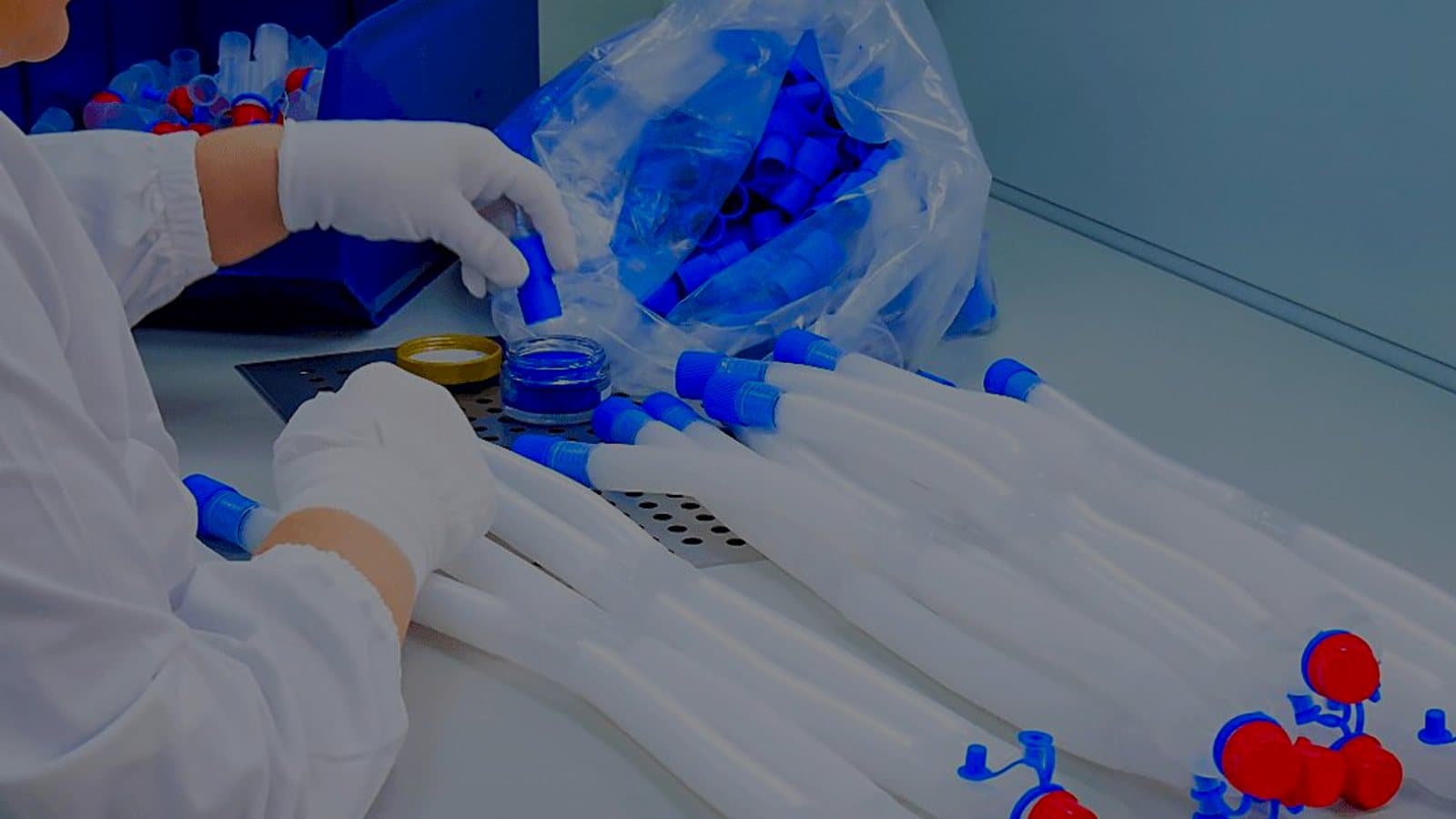
For biotech products, the CTD appendix on facilities and equipment in ICH M4Q(R1) asks for a diagram of the manufacturing flow, information on adjacent areas and other products, a summary of product-contact equipment, and the procedures and design features that prevent contamination. Each is a design decision that becomes a regulatory statement.
FMEA is one of nine tools listed in ICH Q9(R1). The process around it has five parts: initiate with a defined risk question, assess (identify hazards, analyse, evaluate), control (reduce, then accept), communicate the output, and review when events or new knowledge arrive. A first page with the risk question repairs most thin files.
A registration batch, also called an exhibit or primary batch, is made to generate the data filed for registration. ICH Q1A(R2), the stability guideline, asks for data on at least three primary batches made by a process that simulates production. Their data underpins the shelf life, so make them on qualified equipment.
A standby generator run with no load each month proves that it starts. NFPA 110 sets the monthly exercise for diesel sets at a minimum of 30 minutes, at not less than 30% of nameplate kW or at the exhaust temperature the manufacturer recommends. Record load, time and temperatures at every run.
A humidifier fed from the plant boiler injects the boiler's volatile treatment chemicals into the supply air. WHO's HVAC guideline for non-sterile products says chemicals that could have a detrimental effect on the product should not be added to the boiler system. Use a clean steam generator or a steam-to-steam humidifier, or assess every chemical, and state the steam quality in the URS.
Most of what a drive needs is on the motor rating plate. Read the voltage and connection against the supply, enter rated current, power, speed and power factor in the drive, check the IE efficiency class, the IP rating, insulation class and ambient, and copy bearing and regreasing data into the maintenance task.
Sampling is the fourth step of a cleaning validation. Before any swab, EU GMP Annex 15 (2015 text) expects a justified worst-case product, a carryover limit based on a toxicological evaluation, and sampling locations with recovery shown for each surface and method. Hold times belong to the run, and manual cleaning should be confirmed at a justified frequency.
Bracketing, as ICH Q1D (2002) defines it, tests only the extremes of a design factor such as strength or container size at all time points and assumes they represent the levels between. Three strengths in two bottle sizes still leave four of six combinations on test, and any reduced design should be justified.
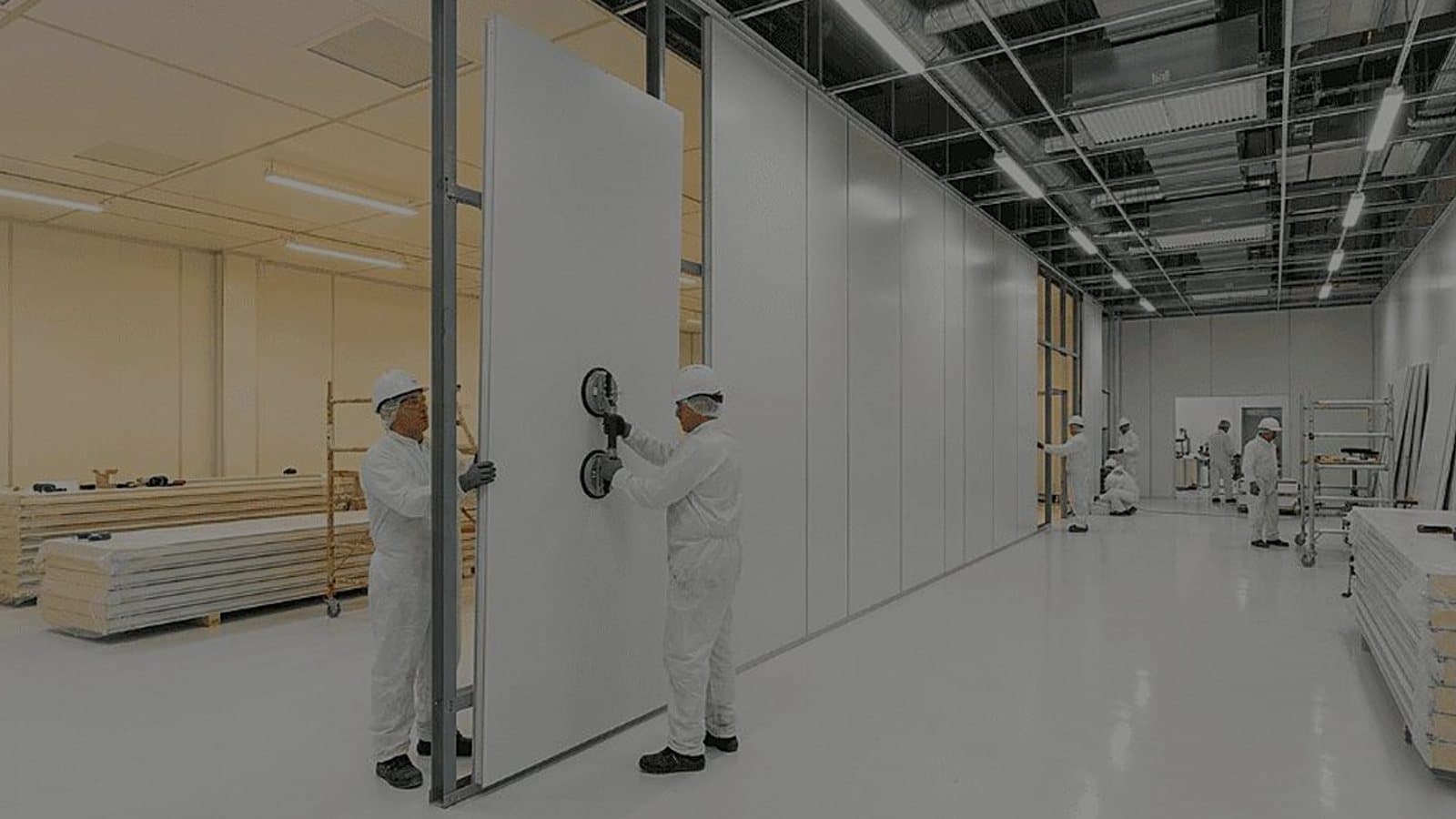
Once the last ceiling panel is in, the services above it are hard to inspect. Before close-up, check that hangers are complete, insulation and vapour seal are continuous, dampers and valves are tagged and reachable, penetrations are sealed, and test ports are fitted with no debris left. Photograph each bay for the handover package.
A risk priority number is three judgements on ranked scales, multiplied, so two competent teams can score one failure mode 40 and 160. ICH Q9(R1) says subjectivity cannot be completely eliminated but may be controlled. In practice: define the scoring scales, record the assumptions behind each score and use relevant data where it exists.
Dropping the trial batch makes the first batch a receiving site ever produces the one whose stability data goes into the dossier. ICH Q1A(R2) (2003) says the process used for primary stability batches should simulate the production process. Our advice is to run a trial batch first, compare it with the sending unit's data and fix what it shows.
Two ideas in ASTM E2500 shorten qualification. Subject matter experts plan, execute and review verification, and in ISPE's summary of the 2025 edition the quality unit approves the plans and the final acceptance. Vendor documentation may be used as evidence if the vendor has been assessed. EU GMP Annex 15 (2015 text) allows some FAT tests to stand at IQ/OQ where justified.