Air leaving a cooling coil stops short of the apparatus dew point by the bypass factor. With a 7 °C ADP, a bypass factor of 0.1 and 26 °C, 12 g/kg entering air, the leaving dew point is near 8.3 °C. Size the coil backwards from the dew point the supply air needs.
A pass box sits across a grade boundary designed for at least 10 Pa. The interlock does not fix a worn door seal, a static box is made safe by the disinfectant contact time rather than by waiting, and a dynamic box needs its supply balanced against both rooms and its HEPA filter leak tested.
Standing condensate in an AHU drain pan sits upstream of the final filters. ASHRAE 62.1 asks for a pan sloped at least 10 mm per metre toward the outlet so it drains completely. Check the slope with a level at FAT, prime the trap after long shutdowns and inspect the pan on a schedule.
EU GMP Annex 11 clause 3.2 makes supplier competence and reliability part of computerized system validation, with the need for an audit set by risk. For SCADA, BMS and EMS, supplier records can reduce the testing the user repeats; the URS, risk assessment and configuration tests such as alarm limits and user roles stay with the user.
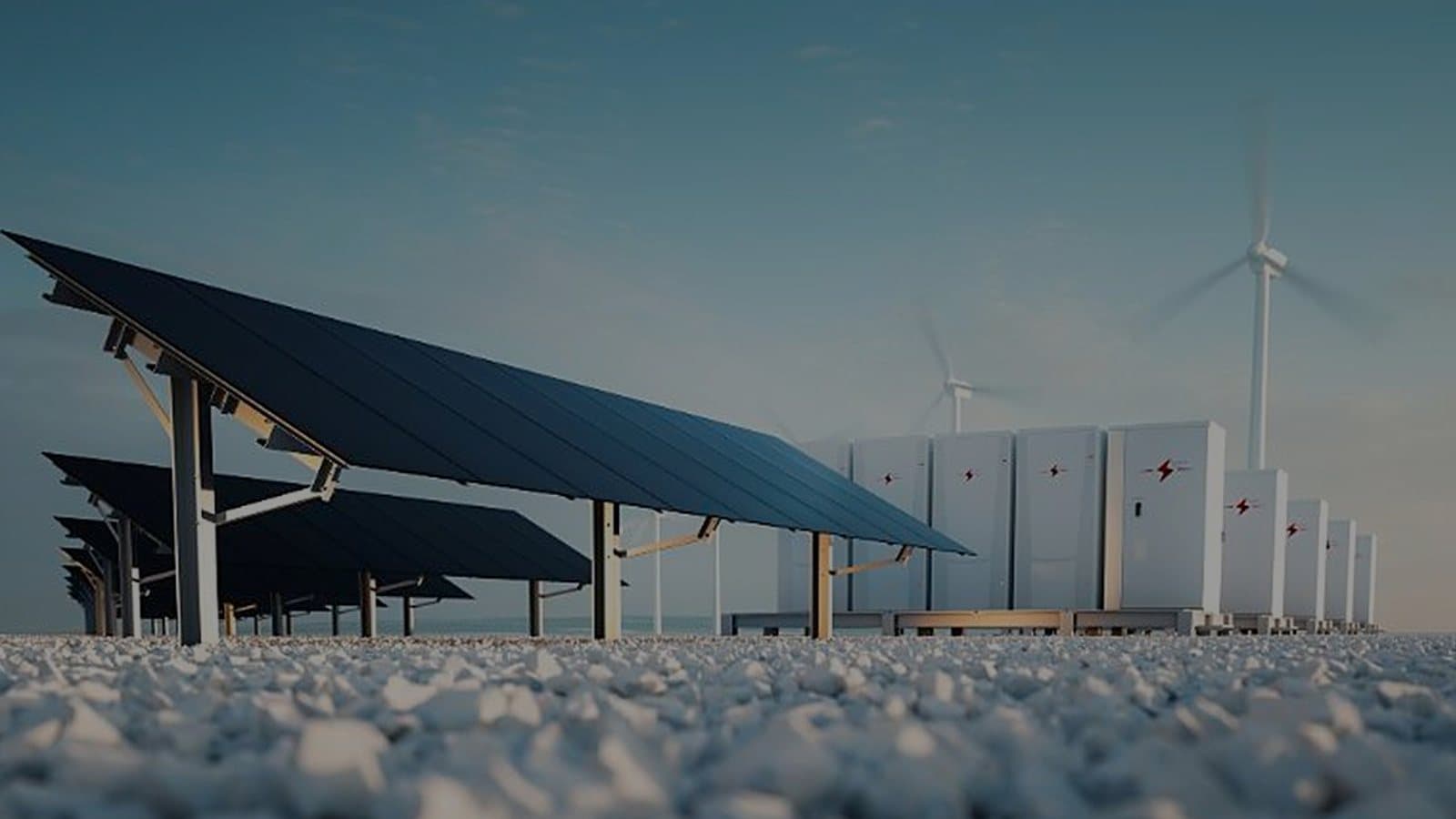
Hybrid renewable sites often size battery cooling from the weather and lump the other auxiliaries into one allowance. Resistive heat in the cells rises with the square of the current, and a 3% loss on a 1 MW discharge is 30 kW of heat. Control rooms, fire and gas safety and site services need their own lines.
When several use points open together, a purified water loop's return flow can fall close to zero. Turbulent flow needs a Reynolds number above about 4,000; a 22 mm bore at 0.1 m/s gives about 2,200. Size for the realistic maximum draw, trend return flow and alarm before it turns laminar.
EU GMP Chapter 4 expects logbooks for major or critical equipment, recording use, calibration, maintenance, cleaning and repairs with dates and names. For an AHU serving graded rooms that means qualification events, sensor calibration, filter changes with differential pressure, repairs with deviation numbers and cleaning records.
In a ceiling of forty fan filter units, a stopped one looks like a running one. Most EC-driven FFUs can report their status. Send each fault to the BMS or SCADA for a time-stamped record, and add a local indication at the room so the operator sees it before a batch starts.
Energy measures that change validated cleanroom conditions go through Annex 15 change control. Classification alone can mean 10 sample locations for a 50 m² room, at rest and in operation, before recovery tests and a CCS update. Price that next to the kWh, or design reduced modes in and qualify them once.
A room's pressure differential sits on the room data sheet as a design value and in the monitoring SOP as alarm limits, often written months apart. Before OQ, list every door with the RDS revision it was balanced to and the current SOP alarm limits, and close each row that disagrees.
In a dual-unit dry-room specification, −60 °C dew point converts to −76 °F with the 32 offset, but a ±2 K tolerance is ±3.6 °F, converted with the 1.8 factor alone. Deadbands and rates of change follow the same rule. Round both columns alike and state which one governs.
In an FMEA risk register, severity 10, occurrence 2 and detection 3 score an RPN of 60, below a nuisance risk at 100. Add a rule that any severity 9 or 10 comes to the weekly review whatever its RPN, and re-rate every risk after its mitigation.