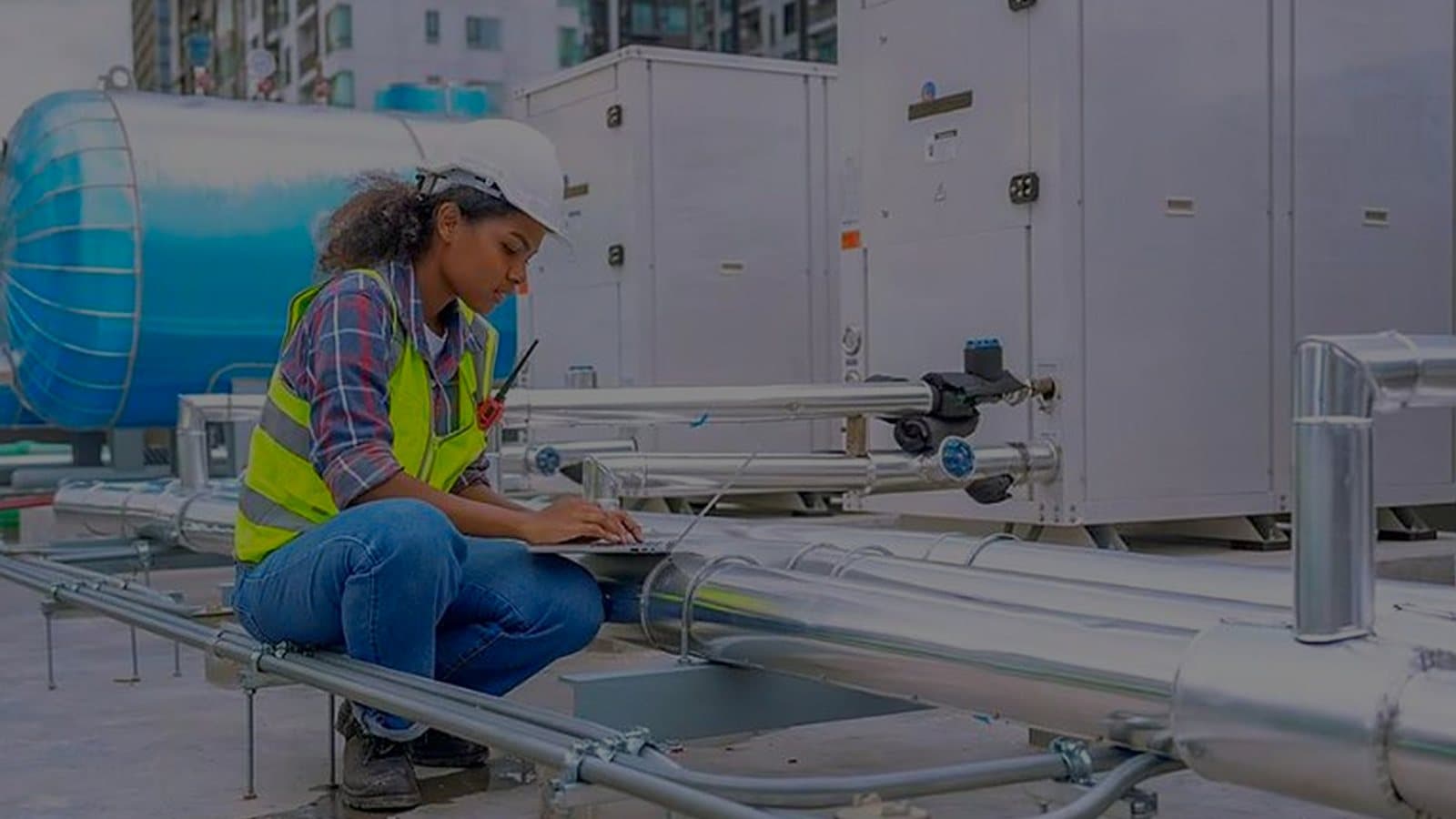
A desiccant rotor is the right tool for deep drying and an expensive one for bulk moisture. In tropical fresh air, a pre-cooling coil ahead of the rotor removes most of the water by condensation, so the rotor can be smaller, use less regeneration heat and hold its leaving condition more steadily.
Shrink an AHU cross-section by 10% and the air moves about 11% faster, while pressure drop across the coil and dampers rises about 23%. At 10,000 m³/h that is roughly 0.4 kW, about 3,800 kWh a year. Ask bidders for coil face velocity and the EN 13053 velocity class.
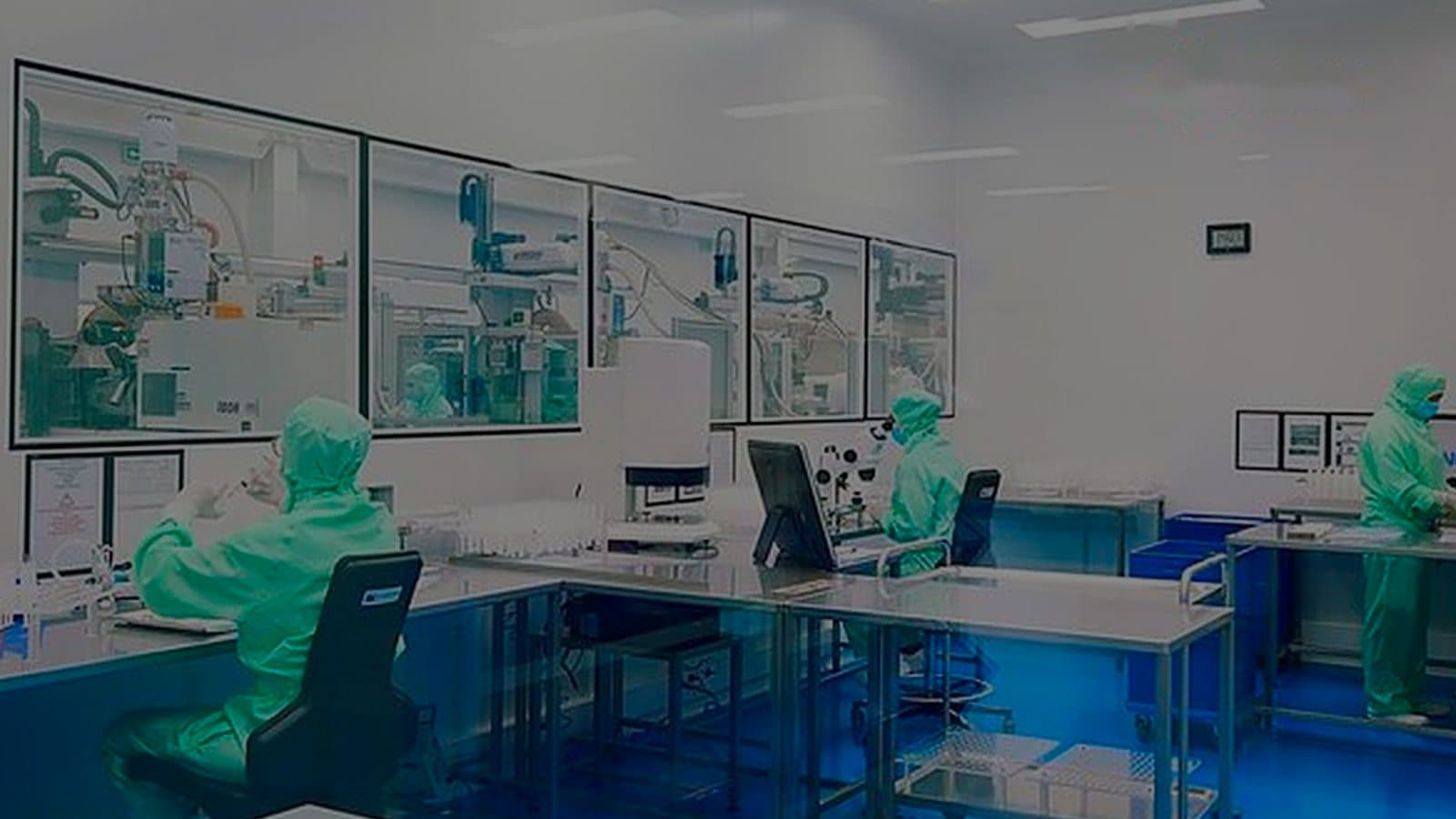
Cleanroom inspectors ask for the same HVAC evidence: qualification report, pressure trends and alarm log, HEPA leak tests, classification and recovery, smoke studies, as-builts and change controls. Index them per room, with document number, revision and location, so the back room answers in minutes.
At 20 air changes an hour, ideal mixing gives a 100:1 recovery time of about 14 minutes; a poorly mixed corner acting like 10 ACH takes about 28. Swirl diffusers come closest to ideal, perforated faces mix less, and plain HEPA faces suit a critical bench. Place the recovery probe where air arrives last.
A fume hood draws room air in at around 0.5 m/s. Cross-drafts from nearby diffusers, doors and walking routes above about half that pull vapour out past the sash, whatever the factory test said. Lay out supply, hoods and makeup air to that number, then prove it with an as-installed test.
Cooling coils foul on the air-entering face, while water and growth appear on the leaving side over the drain pan. A hygienic AHU needs access sections upstream and downstream of the coil and a sloped, reachable drain pan that extends past the leaving face.
Isolator and RABS gloves need a visual check at every use and a physical integrity test, usually pressure decay, at defined frequencies. A pinhole passes the first and fails the second. Write in advance what a failed glove triggers: which batches are assessed, which records are pulled, who decides and when the glove is replaced.
HEPA and ULPA filters do not stop airborne molecular contamination, and an AMC limit written only as "1 ppb" is a different mass for every compound: about 0.70 µg/m³ for ammonia, 1.49 µg/m³ for hydrogen chloride. A fab URS should name the compound, the unit with its reference temperature, and the sampling method.
A 12-months-from-commissioning or 18-months-from-delivery warranty, whichever ends first, shrinks when the building is late. An AHU delivered in March and started in November keeps only ten months of cover. Tie the start to commissioning, get storage instructions in writing, and keep the storage log that makes a claim possible.
Monthly route-based vibration surveys catch slow fan faults such as imbalance, misalignment and bearing wear at a low cost per point. Permanent online sensors catch faults that develop between visits. Put sensors on fans whose stop takes a Grade A or B room out of spec with no standby, and route the rest.
Where a SCADA, BMS or EMS records GMP-relevant data, access control, clock synchronization, alarm records and audit trails are decided by the electrical and automation engineers. Many sites keep those parameters on a separate validated EMS. Humiley's cross-functional training covers GMP, validation and project management.
Annex 1 sets zero growth as the APS target, and any contaminated unit fails it. The environmental side of the investigation starts from viable monitoring, with HVAC and EMS trends as support, so review trends before the fill, confirm logging and clock sync, and agree which HVAC events count as interruptions.