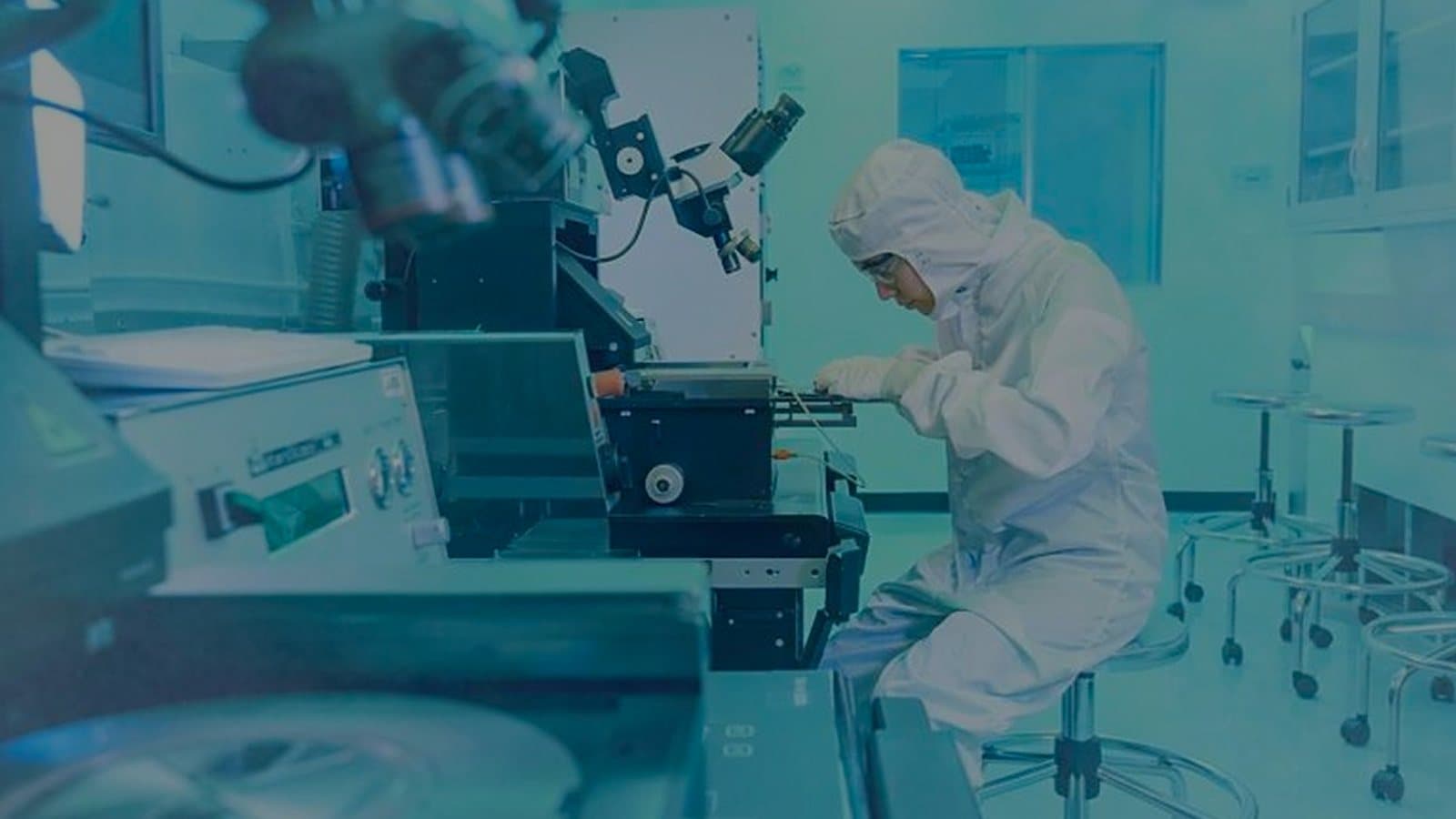
A mechanical completion certificate records static checks: built as drawn, pressure and leakage tested, cables tested, punch items sorted. Starting fans needs a separate ready-for-commissioning certificate, signed by the commissioning lead, covering flushing, cleanliness, calibration, interlocks and approved procedures, so the rooms are walked before first start.
Two H14 filters from a new maker at 150 Pa initial pressure drop, fitted beside four originals at 110 Pa on one duct branch, take less air than their neighbours while the room total barely moves. Compare initial pressure drop before ordering, then change the whole set or retrim and measure every terminal.
Gravity drains need continuous fall and cannot rise over anything, large ducts are fixed by size, pressure pipes can change level and cable trays go almost anywhere. Sprinkler drops and access space in front of dampers and valves also need reserving early, so the least flexible services get the space they cannot do without.
H14 filters capture at least 99.995% at the most penetrating particle size, but that rating is measured on the element in a factory. On a potent-compound exhaust, an unseated gasket or leaking frame bypasses it. The exhaust housing needs test access designed in and an installed leak test in qualification.
At LOD 300 a BIM element has size, shape and location; LOD 350 adds its interfaces with other systems: connections, supports and clearances. Clash detection before LOD 350 finds ducts in beams but misses hangers, flanges and maintenance access, which then surface on site.
On a 7.5 m rack, eye level is rarely the worst position. WHO mapping guidance expects loggers in three dimensions and at high-risk points: top racks under the roof, dock doors, cooling outlets and dead corners. The map then decides where the permanent monitoring probes belong.
AHU casing classes such as L1 leakage or TB2 thermal bridging usually come from a standard EN 1886 model box. The unit on site has more doors, joints and penetrations. At FAT, check them on the real unit, especially filter frame gaskets: bypass around the fine-filter frames loads the terminal HEPA filters faster.
Condensate leaving a fresh-air coil equals dry-air mass flow times the drop in humidity ratio. At 10,000 m³/h dried from 21 to 7 g/kg that is about 170 litres an hour. Timed at the trap on a humid day, a shortfall points at water temperature, flow or bypass.
Part 11 applies to electronic records that a predicate rule such as 21 CFR 211 requires. For a BMS or EMS, name the rule behind each point: GMP-critical monitoring usually belongs in a validated EMS. For EU export, Annex 11 has no predicate-rule test, so the BMS still needs a risk assessment.
The plate usually wins on efficiency, with EU ecodesign (Regulation 1253/2014) setting 73% against 68% for run-around coils. In a humid climate, though, its fresh-air side condenses in channels a few millimetres wide that are hard to clean, while the coil cleans and drains like any other and frees the layout.
A microbiology lab protects media and samples while containing cultures, so pressure direction changes by zone: media prep and sterility testing positive, positive-control rooms negative with their own exhaust. A door straight between positive and negative rooms loses the difference whenever it opens; an airlock keeps one door shut.
An owner's monthly report needs four pages: schedule, cost, earned value and risk, each answering its question on the top line. Show forecast at completion, SPI and CPI trends with a review trigger agreed in advance, and the top FMEA risks with owners. Slipped long-lead items go on page one.